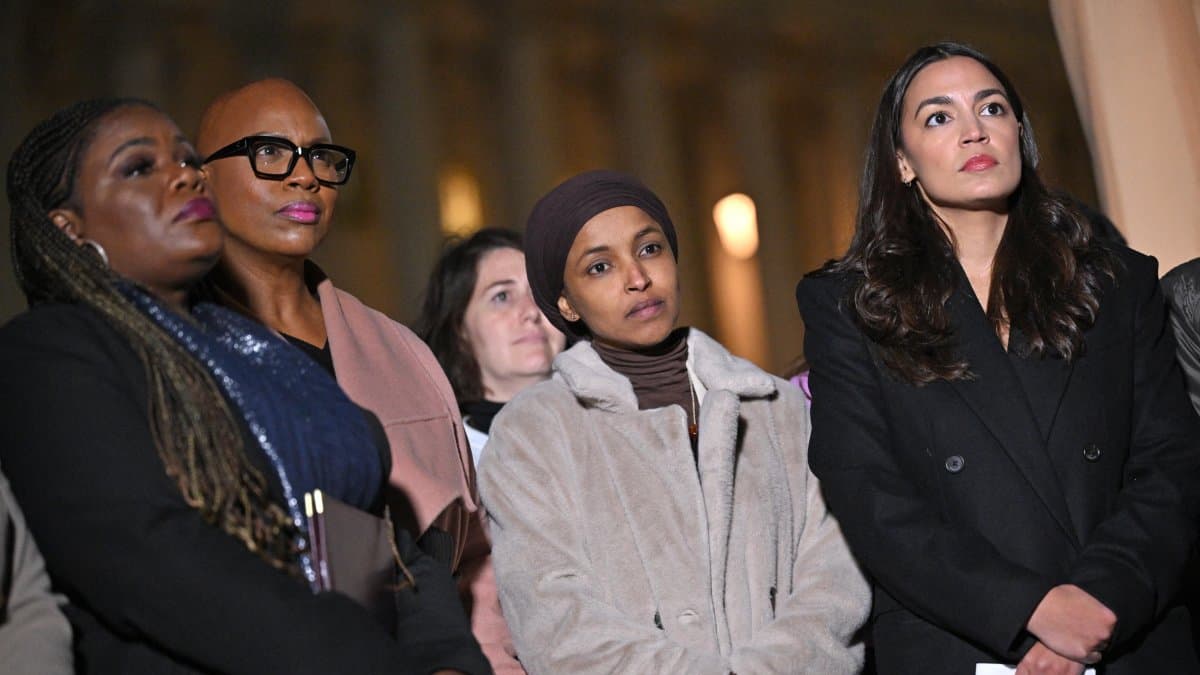







Bill to decriminalize prostitution fails in Colorado due to lack of legislative support
Among other measures, the bill proposed to repeal the crimes of "prostitution, soliciting for prostitution, keeping a place of prostitution, patronizing a prostitute, and prostitute making display."


A bill pushed by Democratic lawmakers to decriminalize prostitution among adults in the state of Colorado failed this week, failing to muster the necessary votes to advance in the state Senate, after facing political opposition and criticism from local officials.
The initiative, identified as SB26-097 and titled “Decriminalize Adult Commercial Sexual Activity,” sought to eliminate statewide various crimes related to prostitution among consenting adults, according to the official summary published on the Colorado General Assembly website.
Among other measures, the bill proposed to repeal the crimes of "prostitution, soliciting for prostitution, keeping a place of prostitution, patronizing a prostitute, and prostitute making display." It also proposed eliminating the crime of pandering when it involves knowlingly organizing or facilitating situations that allow a person to engage in prostitution.
State Senator Lisa Cutter, a Democrat and one of the proponents of the proposal, confirmed that the bill failed to garner enough support to pass the Senate Judiciary Committee, local channel Denver7 reported.
According to The Daily Signal, Democratic Senator Nick Hinrichsen, the initiative's chief sponsor, acknowledged hat the proposal lacked the necessary support to pass and announced that he would ask to postpone it until after the 2026 legislative session, which in practice means the measure will be shelved.
Criticism and opposition
The bill generated strong opposition among Republican legislators, law enforcement officials and some community groups.
The Republican candidate for governor of Colorado, Victor Marx, celebrated the failure of the initiative in a post on social media. According to the politician, the bill would have made Colorado the first state in the country to completely eliminate prostitution-related criminal penalties.
"That’s a win for everyone who cares about our communities," said Marx, who also argued that the proposal would have limited the ability of local authorities to pass regulations of their own on the issue.
The Republican added that more than 100,000 Colorado residents contacted state lawmakers to express their opposition to the bill, including religious leaders and community organizations.
Law enforcement warnings
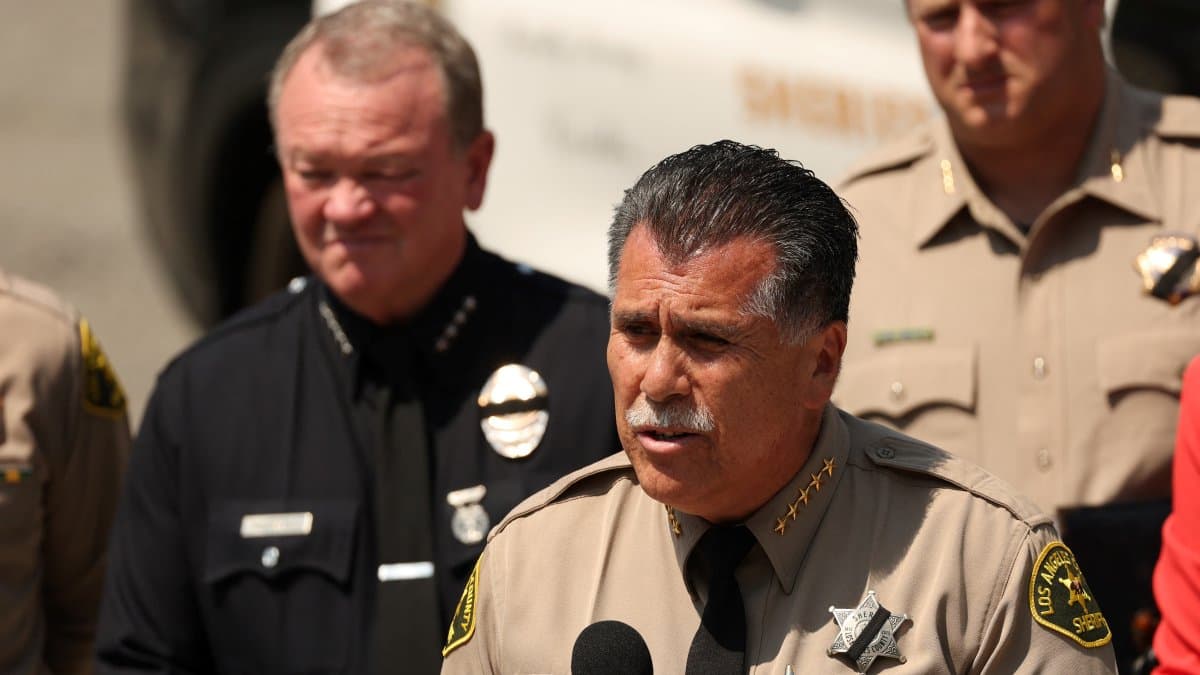
Criticism also came from public safety officials. In a column published in February, El Paso County Sheriff Joseph Roybal warned that the initiative raised "serious concerns" for fighting human exploitation and trafficking.
"Although the bill applies only to 'consenting adults,' history shows coercion, fraud, addiction, and economic pressure are often present, making true consent difficult to determine," Roybal wrote.
The sheriff further argued that, in many cases, prostitution investigations allow authorities to identify possible victims of human trafficking.
"In law enforcement, prostitution rarely appears separate from human trafficking. The two are deeply intertwined," he said, warning that eliminating legal investigative tools could make it more difficult to identify victims and their access to support services.
Society
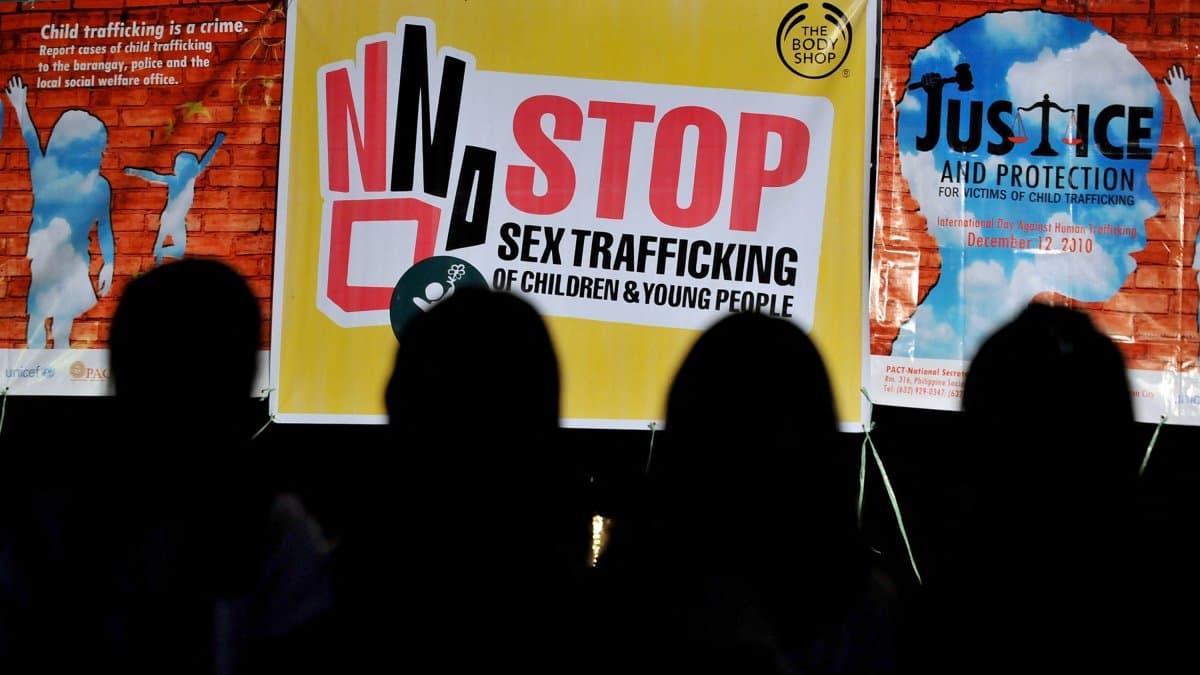
Report: Sex trafficking of minors tripled during the Biden-Harris administration
Alejandro Baños
Open debate
Although SB26-097 will not advance in the current legislative session, the issue could be discussed again in future proposals within the Colorado state legislature.
🛠 Do you think there is an error in this article?
Recommendations







LATEST