El HHS reformará el sistema de donación de órganos: hay un "desprecio por la santidad de la vida"
The Organ Procurement Organization (OPO) has demanded strict corrective action as an investigation by the Health Resources and Services Administration (HRSA) revealed troubling practices by a major organ procurement organization.
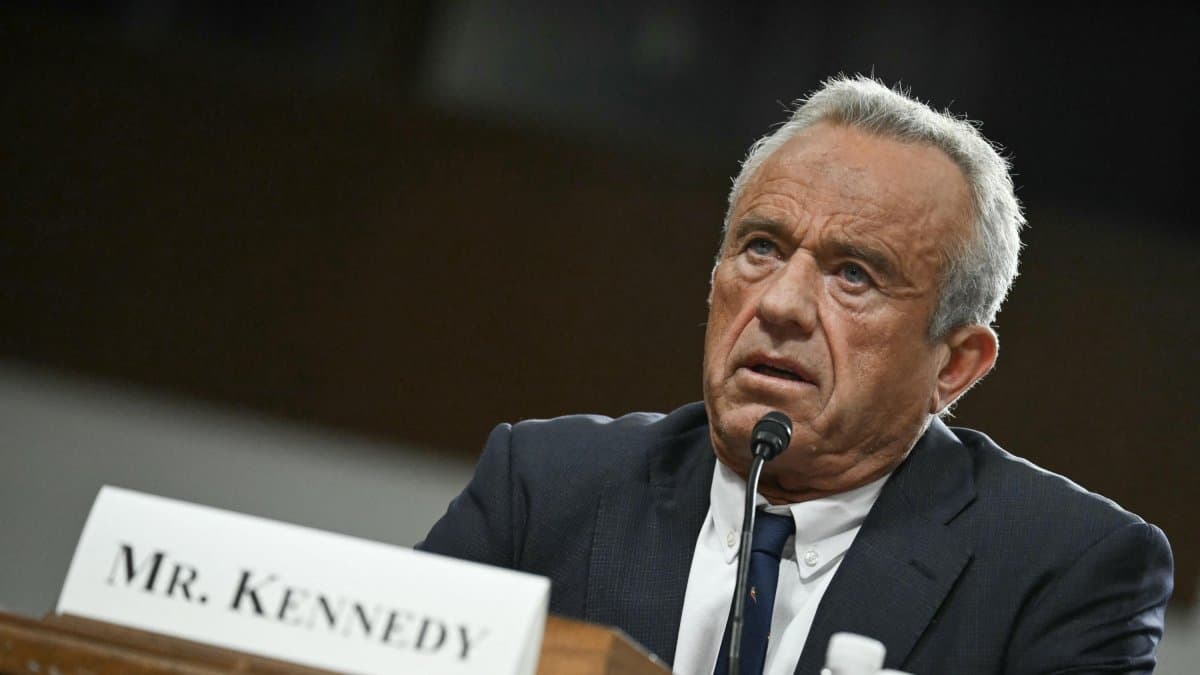

The Department of Health and Human Services (HHS), led by Secretary Robert F. Kennedy Jr, announced reforms to the organ transplant system following an investigation by the Health Resources and Services Administration (HRSA) that uncovered concerning practices by a major organ procurement organization.
HRSA ordered the Organ Procurement and Transplantation Network (OPTN) to reopen the case of a Kentucky man with severe neurological damage who awoke on the operating table in 2021, as surgeons were about to harvest his organs.
One of 55 federally funded organ procurement organizations serving Kentucky, southwestern Ohio and part of Virginia was held accountable in this case. However, during the Biden administration, the OPTN's Membership and Professional Standards Committee closed the case without taking action.

"Our findings show that hospitals were allowing the organ procurement process to begin when patients showed signs of life, and this is horrifying," Kennedy said. "Organ procurement organizations that coordinate access to transplants will have to be held accountable. We must fix the entire system to ensure that every potential donor's life is treated with the sanctity it deserves," the health secretary said.
Under Kennedy's leadership, HRSA demanded a comprehensive, independent review of the OPO's conduct and treatment of vulnerable patients.The investigation revealed clear negligence, contradicting the previous OPTN Board of Directors’ internal review, which had found no major issues."
HRSA reviewed 351 cases where organ donation was authorized but ultimately not completed. The results were as follows:
- 103 cases (29.3%) showed concerning features, including 73 patients with neurological signs incompatible with organ donation.
- At least 28 patients may not have been deceased when organ procurement began, raising serious ethical and legal concerns.
- The investigation revealed poor neurological assessments, inadequate coordination with medical teams, questionable consent practices, and misclassification of causes of death, especially in overdose cases.
Following the investigation, the HRSA has demanded strict corrective measures for the OPO and changes "to make sure that patients across the country will be safer when donating organs".
The OPO "must conduct a thorough analysis of the root causes of its failure to comply with internal protocols -including failure to comply with the five-minute observation rule after patient death - and develop clear and enforceable policies to define donor eligibility criteria. In addition, it should adopt a formal procedure that allows any staff member to stop a donation process if patient safety issues arise.", concludes the HHS statement.
Legal framework and structure of the organ donation system
.
🛠 Do you think there is an error in this article?
Recommendations








LATEST