Analysis
House Republicans block Democratic attempt to control the floor by using the Epstein case
The GOP argued that the vote was not about the records themselves, but of an attempt to temporarily alter the agenda through a procedural motion.
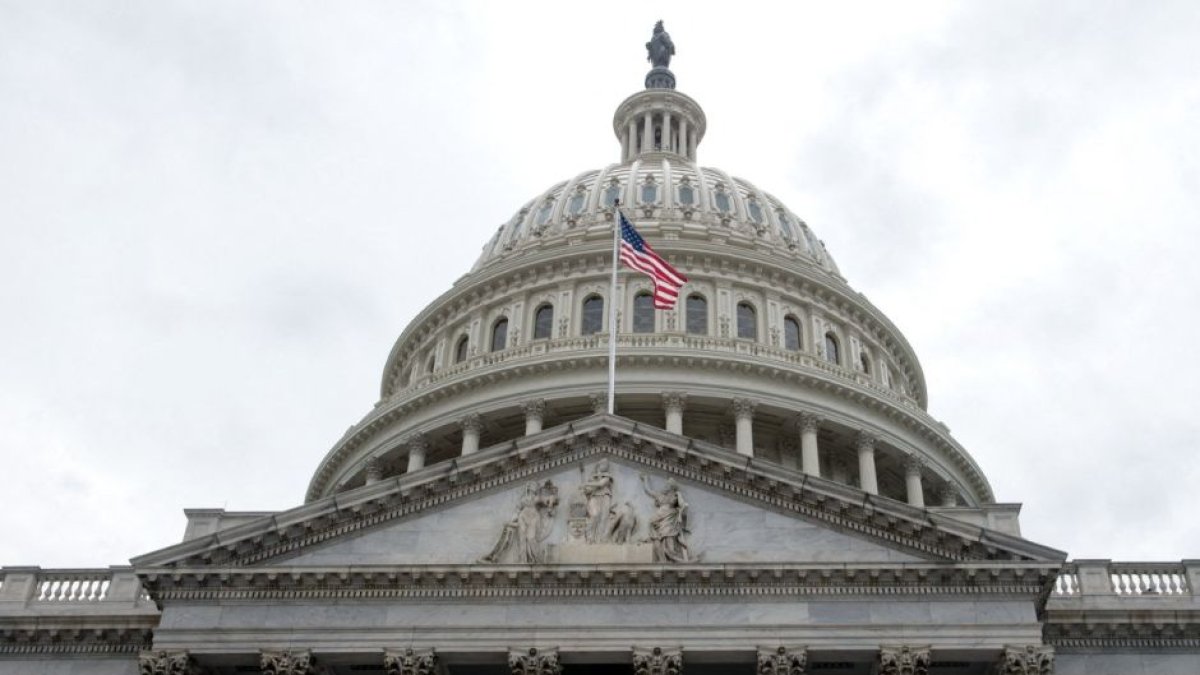
The U.S. Capitol in Washington, D.C.

On Tuesday, House Republicans rejected, by 211 votes to 210, a motion that was put forward by Democrats as an attempt to demand transparency in the Jeffrey Epstein case. However, the Republican bloc clarified that the vote did not directly refer to the case files, but instead responded to a procedural issue that would have allowed the Democratic minority to modify the agenda of the plenary temporarily.
A vote on parliamentary procedure
The motion was filed by Rep. Ro Khanna (D-CA) as part of a legislative process that would have allowed the Democratic minority to introduce its own resolution. That resolution, which had not yet been debated or voted on, proposed that the Department of Justice release the Epstein files within 30 days.
Representative Anna Paulina Luna (R-FL) explained on social media that the vote had no direct bearing on the case:
"The House GOP conference as a whole did not vote to block the release of the Epstein files. There was a procedural vote that, if failed, would have given Democrats control of the House. If you pull up the 'previous question' language you will not find anything re: Epstein."
Other Republican lawmakers explained that these types of motions are typically rejected as a matter of course, regardless of the content that follows. "Republicans generally vote against such Democratic procedural motions, and this time shouldn't be an exception," Michael Cloud (R-TX) noted.

Politics
Trump insists Epstein case is ‘made up’ by Democrats, defends Pam Bondi's work
Williams Perdomo
Positions within the Republican Party
Although the vote was partisan, some Republican lawmakers have expressed support for greater transparency in the Epstein case. Ralph Norman (R-SC) backed a similar proposal in the Rules Committee a day earlier. House Speaker Mike Johnson (R-LA) stated in an interview that "we should put everything out there and let the people decide it." However, he also noted that he has not had full access to the documents and felt that special prosecutor Pam Bondi should explain her work publicly.
Other party members have questioned the political use of the issue. Tim Burchett (R-TN) said the debate should not focus on parliamentary maneuvering, but on the substance of the issue.

Politics
Jeffries warned that Congress will act if the Trump Administration does not release all of the Epstein files
Luis Francisco Orozco
Next steps
LATEST