End of special immigration operation in Minneapolis: How ICE will continue its work in collaboration with local authorities
Tom Homan anticipated the gradual withdrawal of federal agents after months of raids, protests and political tension in Minnesota, although he assured that ICE will maintain a "small footprint of personnel" in the state.
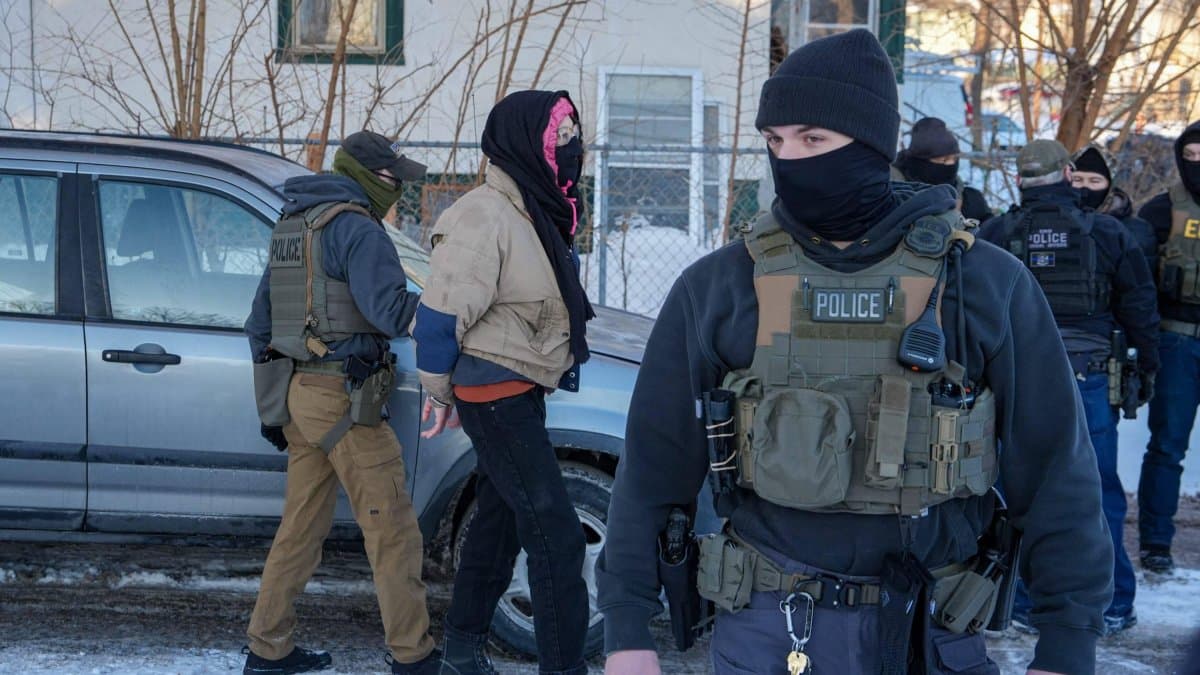

Border czar Tom Homan announced that the federal anti-immigration operation in Minneapolis, Minnesota, will "conclude" soon. "Minnesota is now less of a sanctuary state for criminals," he said at a conference Thursday.
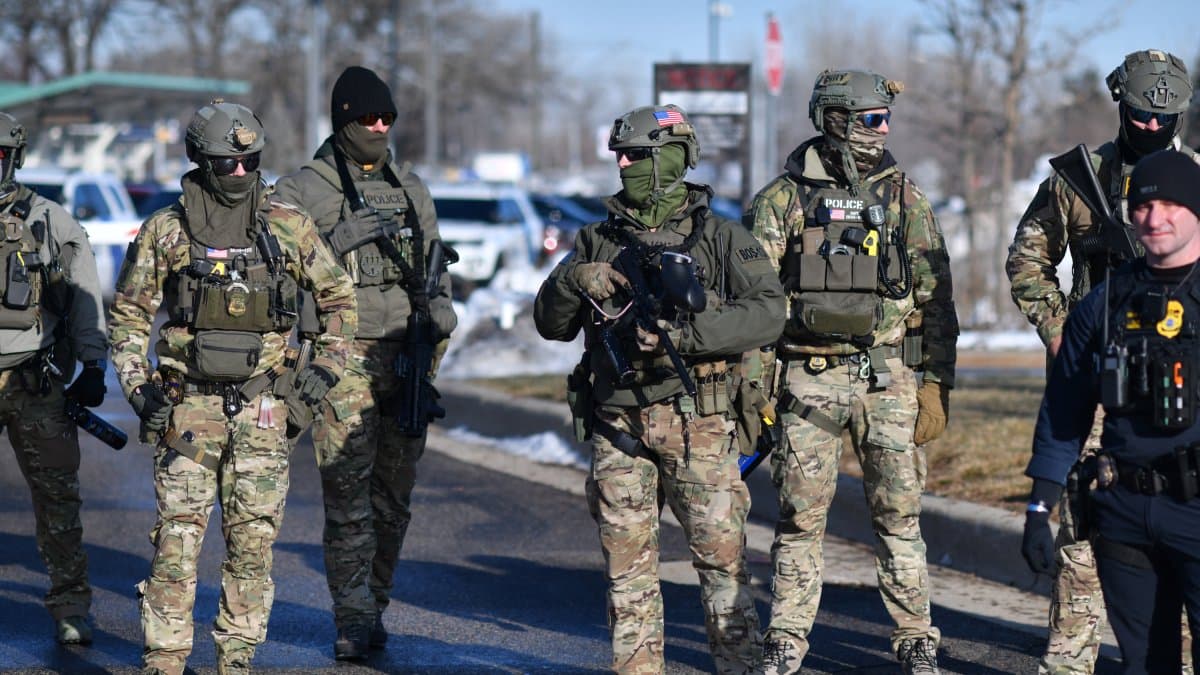
A week ago, he himself had announced the "immediate" withdrawal of 700 agents. This "will continue through the next week," promised Donald Trump’s choice to "fix" the tense situation in Minnesota. At the height of the federal presence, there were more than 3,000 uniformed personnel in the Twin Cities.
"In the next week, we're going to deploy the officers here on detail, back to their home stations or other areas of the country where they are needed. But we're going to continue to enforce immigration law," he added.
The city and state became the epicenter of the national immigration debate in recent months, with growing immigration operations following the exposure of a corruption case in the Somali community, citizen protests against the raids and even the deaths of protesters Renee Good and Alex Pretti.
In late January, Homan announced his plan to lower tensions: a mix of collaboration with citizens and local authorities, and a reduction in boots on the ground. "President Trump and I, along with others in the administration, have recognized that certain improvements could and should be made," he said then. "That's exactly what I'm doing here."
The ICE veteran, who served in immigration positions with both the first Trump and Obama administrations, assured Thursday that there will continue to be a "small footprint of personnel." He will stay on to oversee operations.
De-escalation with an eye on Congress?
Democrats and Republicans have been trading proposals to fund DHS. Both the administration and the opposition sent proposals of their own to Congress. Neither, however, seemed inclined to support the other's.
Democratic leadership sent a letter last week with changes they wanted to see at ICE to approve new funding. The measures range from restricting the use of masks and mandating body cameras to prohibiting entry onto private property without warrants.
They also demanded that local and state authorities be allowed to investigate cases of excessive force, a demand that comes after criticism from Minneapolis authorities who claimed they had been excluded from investigations into the deaths of the two protesters.
Coordination for prison arrests
Minnesota Governor Tim Walz celebrated the news: "The long road to recovery starts now," he wrote on social media. "The impact on our economy, our schools, and people’s lives won’t be reversed overnight. That work starts today."
Homan had a few words for the Democrat, acknowledging that while he didn't "agree with everything," he appreciated "the support the Governor gives to state agencies who coordinate with us."
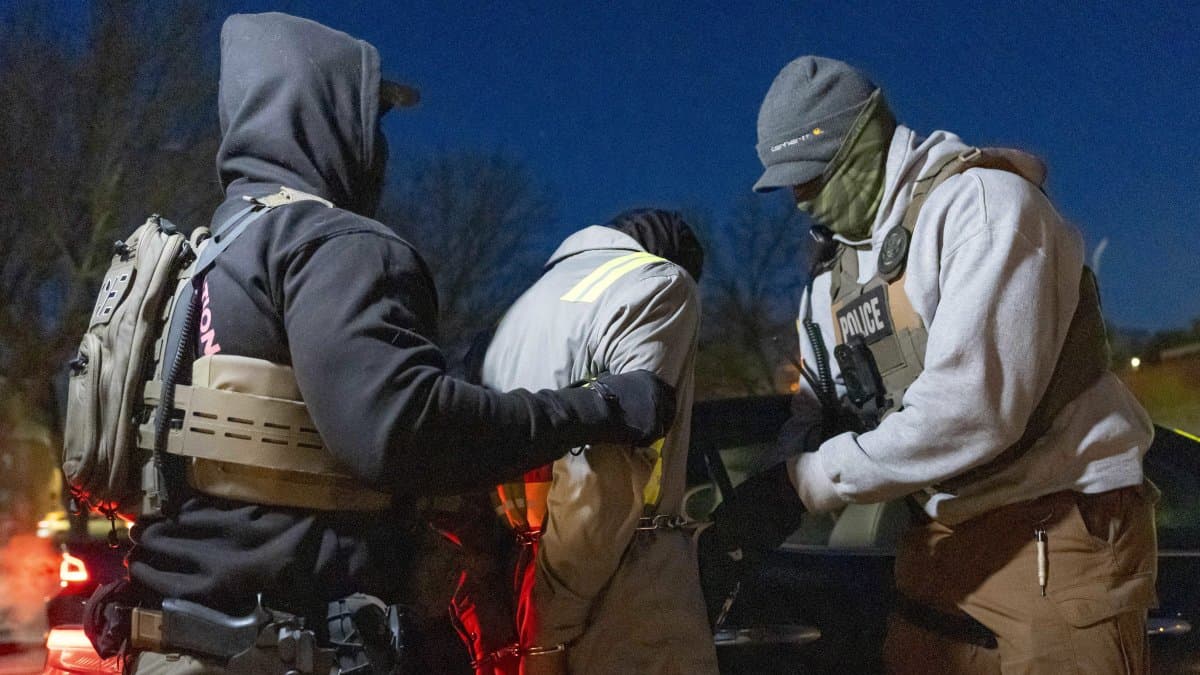
As part of this new outreach, the border czar noted that the state will allow county jails to be able to notify about an arrestee's immigration status. "We now have the ability to arrest criminal aliens in the saefty and security of jails throught the state at the time they are being released," he maintained.
The handful of agents will be distributed "strategically," he said, so they can quickly reach prisons that report a case of interest. Part of the agreement states that detainees must be released within the normally established time frames, in no case extending them for ICE to arrive.
"We are not asking local law enforcement to act as immigration officers," Homan insisted before listing a number of changes implemented since his arrival, such as the use of body cameras and a policy of "zero tolerance for misconduct."
"Additionally, federal government personnel assigned to conduct criminal investigations into the agitators, as well as the personnel assigned here for the fraud investigations, will remain in place until the work is done," he also assured.
Mayor Frey: “They thought they could break us”
Mayor Jacob Frey celebrated the news on social networks, maintaining his critical profile with the government. Frey was one of the staunchest critics of the operations, going so far as to tell ICE, "Get the f*** out of our city"
Although he later spoke directly to Trump and reportedly "appreciated the conversation," after the recall announcement, he resumed his combative tone:
"They thought they could break us, but a love for our neighbors and a resolve to endure can outlast an occupation. These patriots of Minneapolis are showing that it’s not just about resistance — standing with our neighbors is deeply American," he said.
Frey described the operation, dubbed Operation Metro Surge by the administration, as "catastrophic" for residents and businesses. Like the governor, the mayor argued that the time had come for "a great comeback."
"We will show the same commitment to our immigrant residents and endurance in this reopening, and I’m hopeful the whole country will stand with us as we move forward," he promised.
🛠 Do you think there is an error in this article?
Recommendations

LATEST