






Senate blocked a resolution intended to prevent Trump from taking future military action against Iran
While some media had commented that it was very likely that more Republicans in Congress would decide to support the war powers resolution, the truth is that many backed down.
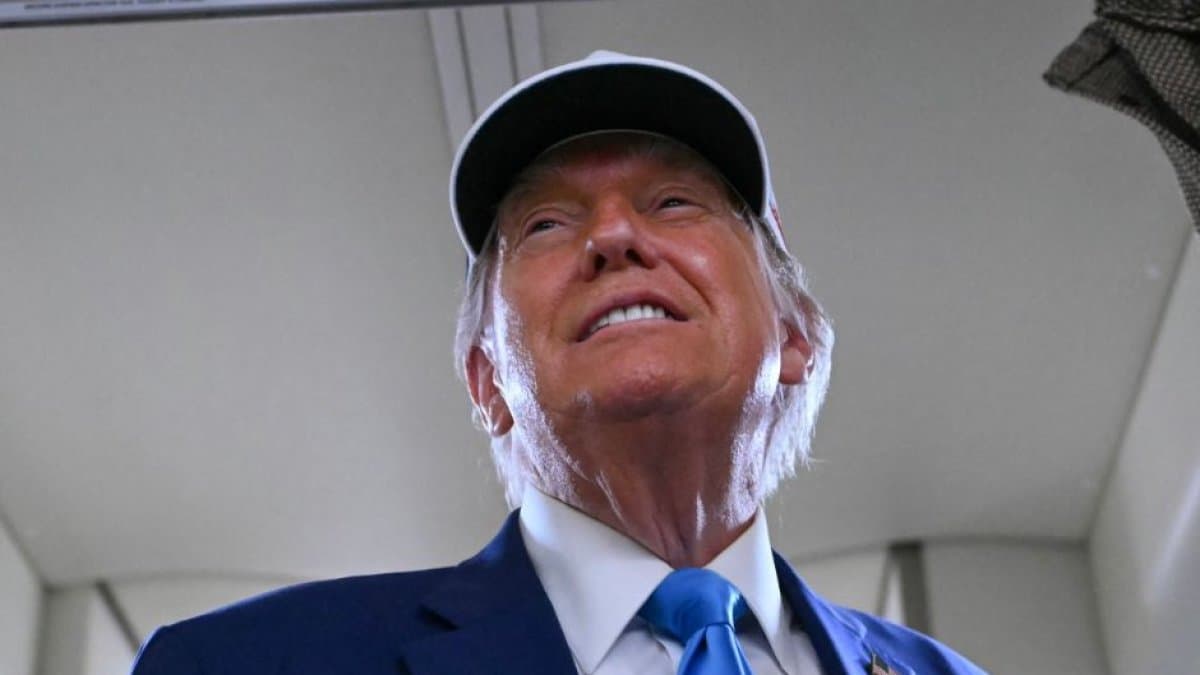
The US Senate on Friday blocked an effort to prevent US President Donald Trump from taking future military action against Iranwithout prior congressional authorization. With a final score of 47-53, the vote on the Republican president's war powers, which largely followed party lines, came less than a week after Trump ordered the bombing of three Iranian nuclear plants in order to neutralize the Persian country's nuclear capabilities.
The resolution was introduced by Virginia Democratic Senator Tim Kaine, who went so far as to declare on the floor before the vote that took place during overnight hours, "I think the events of this week have demonstrated that war is too big to be consigned to the decisions of any one person."
While some media had commented that it was very likely that more Republicans in Congress would decide to support the war powers resolution, the truth is thatmany backed off after the U.S. president announced last Monday a cease-fire between Iran and Israel, which has been in place for the past few days. In fact, Kentucky Republican Rep. Thomas Massie officially withdrew his support for a similar resolution he had previously introduced along with California Democratic Rep. Ro Khanna.
In addition to announcing the cease-fire, Trump commented Friday that he would not hesitate to approve more military operations against the Islamic regime in the coming years or even months if the intelligence community again demonstrated that Iran's uranium enrichment capabilities continued to develop. After being asked by reporters during a press conference whether a new wave of bombing was possible in the future, Trump replied, "Sure, without question, absolutely."
From disagreement to support
Despite the fact that several Republicans showed some disagreement with the Trump Administration after the attacks on the nuclear plants, the truth is that most of these ended up backing the White House in the days that followed. One of these was Wyoming Senator John Barrasso, who noted that he found it hypocritical that many of those who questioned Trump were silent during similar attacks carried out during the administration of former President Barack Obama, considering that none of these had congressional authorization.
"He did it responsibility, he did it decisively, and he did it constitutionally. I believe [this resolution] is not needed. … It would prevent the president from protecting us in the future," Barrasso commented.
Unexpected votes
🛠 Do you think there is an error in this article?
Recommendations




LATEST