Trump signs executive orders to accelerate flying car era
According to the team involved in drafting the orders, for years there has been an excess of regulatory hurdles that have hindered the growth of the domestic aerospace industry.
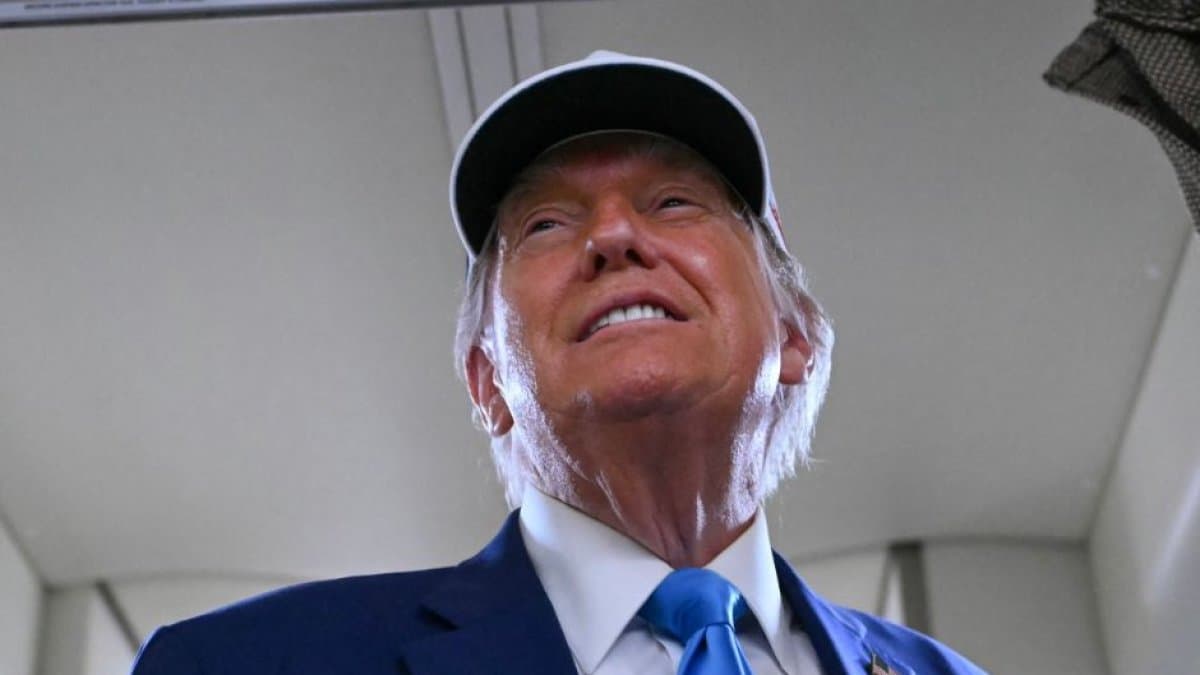

In a move that seeks to redefine aviation and aviation safety in the United States, Donald Trump signed three executive orders Friday aimed at accelerating drone development, significantly reducing flight times, and paving the way for flying cars to become a commercial reality in the country.
Innovation in the service of speed and safety
One of the pillars of these directives is the promotion of supersonic aviation, a technology that would make it possible to fly coast-to-coast in less than four hours. "Americans should be able to fly from New York to LA in under four hours," said Michael Kratsios, White House technology advisor during the Trump Administration, who also underscored the administration's commitment to tearing down regulatory barriers that have held back innovation in this sector.
The executive orders also lay the groundwork for personal aerial vehicles - popularly known as flying cars - to begin developing and operating with legal and regulatory backing. "Flying cars are not just for the Jetsons," Kratsios joked, alluding to the futuristic animated series.
Goal: technological independence
Another centerpiece of the initiative is reducing technological dependence on foreign platforms, especially in the area of drones. The Trump administration warned that many of the platforms currently used are of non-U.S. origin, posing a risk to national security and a hindrance to local industry.
"These executive orders will accelerate American innovation in drones, flying cars, and supersonic aircraft and chart the future of America's skies for years to come. Our message is simple. American innovation belongs in American aerospace," Kratsios stressed.
Reducing Bureaucracy, Increasing Sovereignty
According to the technical team involved in drafting the orders, companies in the sector have for years faced an excess of regulatory hurdles that has hindered the growth of the domestic aerospace industry. The new provisions seek to reverse that trend, allowing routine business operations such as drone deliveries, critical infrastructure inspection, and aerial response to emergencies such as wildfires.
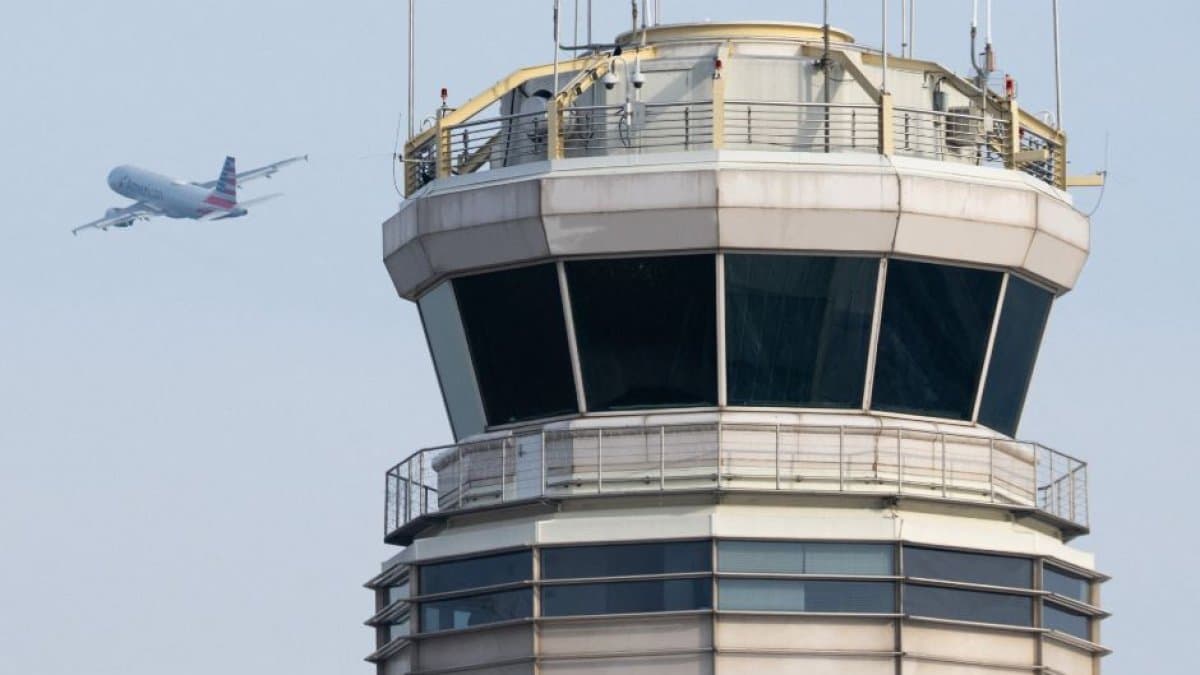
The measures also include guidelines to strengthen protection of U.S. airspace from criminal or terrorist threats. Sebastian Gorka, then director of counterterrorism at the National Security Council, explained that the urgency for these reforms was driven by recent incidents that evidenced security breaches at sensitive facilities.
Preparing for mass events with safer, faster skies
🛠 Do you think there is an error in this article?
Recommendations



LATEST