What are the implications of Trump extending one of the main legal bases for the embargo against Cuba through 2027?
The decision extends for another year the provisions of the Trading with the Enemy Act that underpin the restrictions on the island, at a time when Washington has intensified its economic pressure on the Cuban regime.
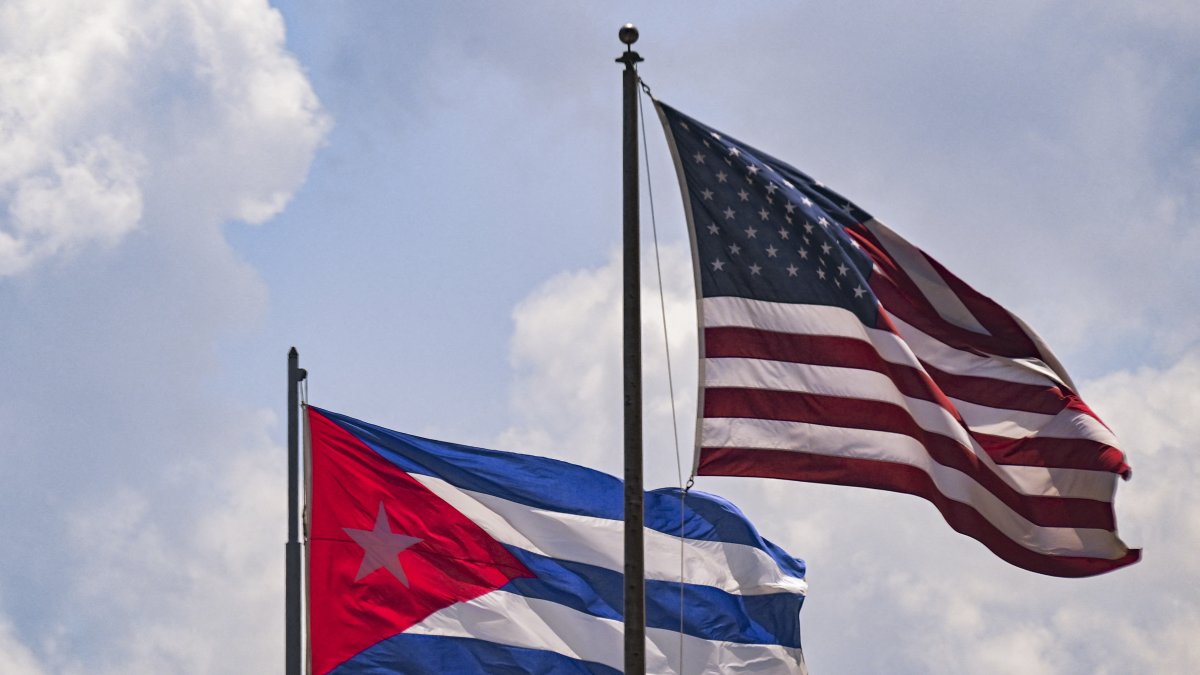
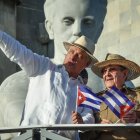
Cuban and U.S. flags

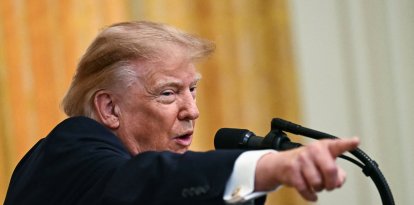
President Donald Trump extended the provisions of the Trading With the Enemy Act (TWEA) applied to Cuba, a decision that keeps one of the main legal pillars of the U.S. economic sanctions regime against the island in effect until September 14, 2027.
Presidential Determination 2026-21, signed by Trump, states that maintaining these powers for another year is in the "national interest of the United States." The document specifically extends the authorities implemented through the Cuban Assets Control Regulations (CACR), administered by the Treasury Department's Office of Foreign Assets Control (OFAC).
"I determine that the continued exercise of these authorities with respect to Cuba for one year is in the national interest of the United States," states the presidential determination.
What does the decision actually entail?
What Trump renewed are certain presidential powers under the Trading With the Enemy Act of 1917, used to maintain the Cuban Assets Control Regulations, which regulate and restrict financial, commercial, and travel transactions related to Cuba.
The framework of the U.S. embargo is broader and also relies on other laws passed by Congress, including the Cuban Democracy Act of 1992 and the Helms-Burton Act of 1996. The Treasury Department itself explains that the sanctions program against Cuba derives from multiple legal authorities and that the CACR continues to operate as a specific sanctions regime targeting Cuba and Cuban citizens.
This renewal is a procedure that successive U.S. administrations have maintained for decades. In 2025, Trump himself had extended these powers until September 14, 2026; the new decision now extends them until September 2027.
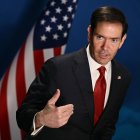
Trump has increased pressure on Havana
The decision also comes amid a much broader policy of pressure by the Trump administration against the Cuban regime.
On January 29, 2026, Trump declared a national emergency related to the Cuban government and established a mechanism allowing for the imposition of additional tariffs on products from countries that sell or supply oil, directly or indirectly, to the island. The order does not automatically impose a tariff on all such countries, but rather establishes a procedure through which the Departments of Commerce and State can recommend such measures.
Subsequently, on May 1, Trump signed another executive order that expanded Washington's ability to sanction foreign officials, entities, and individuals linked to the Cuban government , including actors that provide financial or material support to the regime.
OFAC has clarified that this new program operates in parallel with the traditional sanctions established under the Cuban Assets Control Regulations and that the latter remain fully in effect.
A policy dating back six decades
U.S. trade restrictions against Cuba began to take shape in the early 1960s, following the expropriation of U.S. property by Fidel Castro's regime. The Cuban Assets Control Regulations were enacted in July 1963, under authorities including the Trading With the Enemy Act.
Decades later, Congress reinforced and codified much of that policy through new laws, limiting a president's ability to unilaterally lift the entire embargo framework.
During the Barack Obama administration, Washington initiated a process of diplomatic normalization with Havana and removed Cuba from the U.S. list of state sponsors of terrorism in 2015. Trump reversed much of that rapprochement during his first term, and Cuba was once again designated a state sponsor of terrorism in January 2021.

In the final days of Joe Biden's term in 2025, something similar occurred—Cuba was removed from the list—but less than a week later, with Trump's second return to power, the island was placed back on the list of state sponsors of terrorism.
With his return to the White House in 2025, Trump has once again tightened policy toward Havana and expanded the tools of economic pressure against the state and military structures that control key sectors of the Cuban economy.
The new extension through September 2027, therefore, does not represent an unexpected change in the structure of the embargo, but it does ensure that one of its oldest legal foundations will remain in effect while Washington develops a considerably broader sanctions strategy against the Cuban regime.
LATEST