World Asthma Day: Keys to recognize symptoms and access to early diagnosis
According to official data from the Centers for Disease Control and Prevention, more than 26 million people in the country live with asthma, which represents approximately 8.2% of the population.
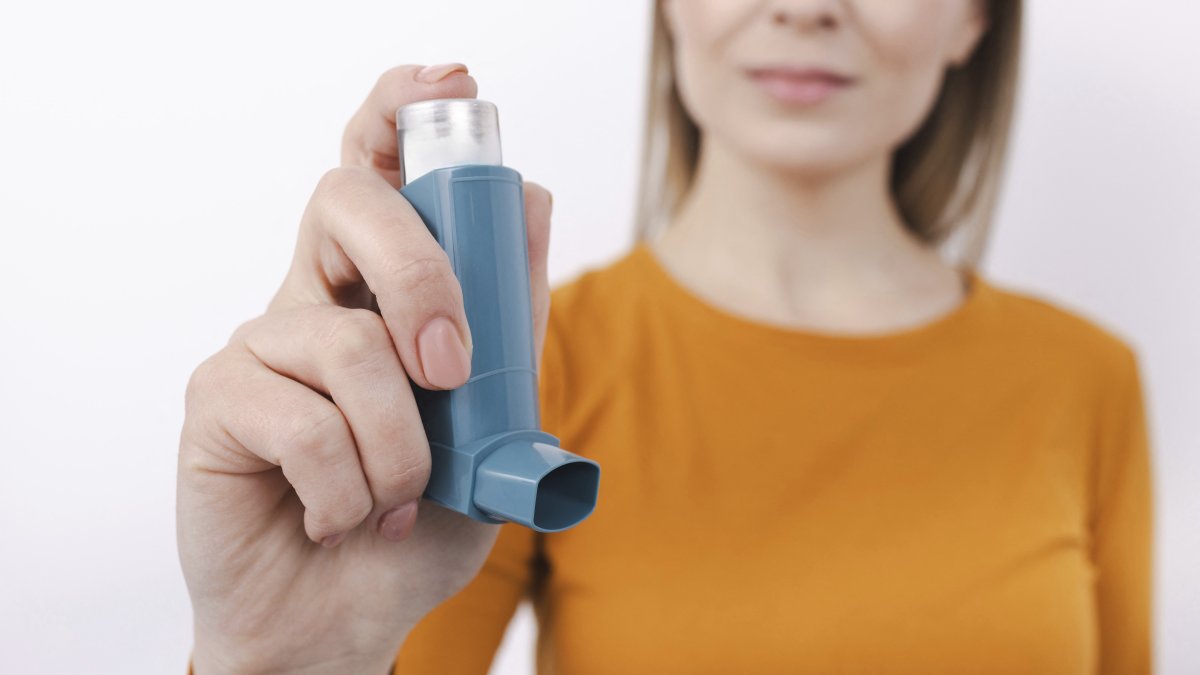
Woman holding an asthma inhaler.

World Asthma Day, celebrated every first Tuesday in May, is an opportunity to raise awareness of a chronic respiratory disease that affects millions of people worldwide. Despite medical advances, asthma remains underdiagnosed, delaying treatment and worsening the quality of life of those who suffer from it.
According to official data from the Centers for Disease Control and Prevention (CDC), in the United States more than 26 million people live with asthma, representing approximately 8.2% of the population.
What is asthma and why is it important to detect it early?
Asthma is a chronic disease that inflames and narrows the airways, making it difficult for air to pass through. This condition can vary in intensity and frequency, but without proper diagnosis and control it can lead to severe flare-ups.
CDC data show that more than 40% of people with asthma in the country had at least one attack in the past year, highlighting the need for improved screening and clinical monitoring.

Main symptoms of asthma: Warning signs
Recognizing the symptoms is the first step to early diagnosis. The most frequent include:
- Difficulty breathing (dyspnea).
- Wheezing.
- Persistent coughing, especially at night or when exercising.
- Feeling of tightness in the chest.
These symptoms can be confused with other respiratory conditions, contributing to underdiagnosis. In many cases, it takes years for patients to receive a correct diagnosis.
The importance of early diagnosis
- Initiate treatments that control inflammation.
- Reduce the number of crises or attacks.
- Avoid hospitalizations and complications.
In addition, studies show that asthma affects different population groups unequally, with higher prevalence in some racial and socioeconomic groups, underscoring the need for improved access to diagnosis.

How is asthma diagnosed?
The diagnosis of asthma is usually based on:
- Clinical history and symptoms.
- Pulmonary function tests (such as spirometry).
- Evaluation of triggering factors (allergies, exercise, pollution).
Early and accurate diagnosis is key to avoid worsening of the disease.
Current challenges: Underdiagnosis and access to treatment
One of the big challenges remains that many people do not know they have asthma. This is due to:
- Mild or intermittent symptoms.
- Confusion with other respiratory diseases.
- Lack of access to diagnostic testing.
The Centers for Disease Control and Prevention surveillance system itself stresses the importance of improving health education and access to care to reduce the burden of the disease.

Detect earlier to live better
The evidence in the United States shows that, although asthma is common, it is still a controllable disease if detected early. The key is information, prevention and access to diagnosis.
LATEST