Postpartum depression: You're not alone and it's not your fault
Talking about postpartum blues and normalizing seeking help for new moms is the first step to healing.
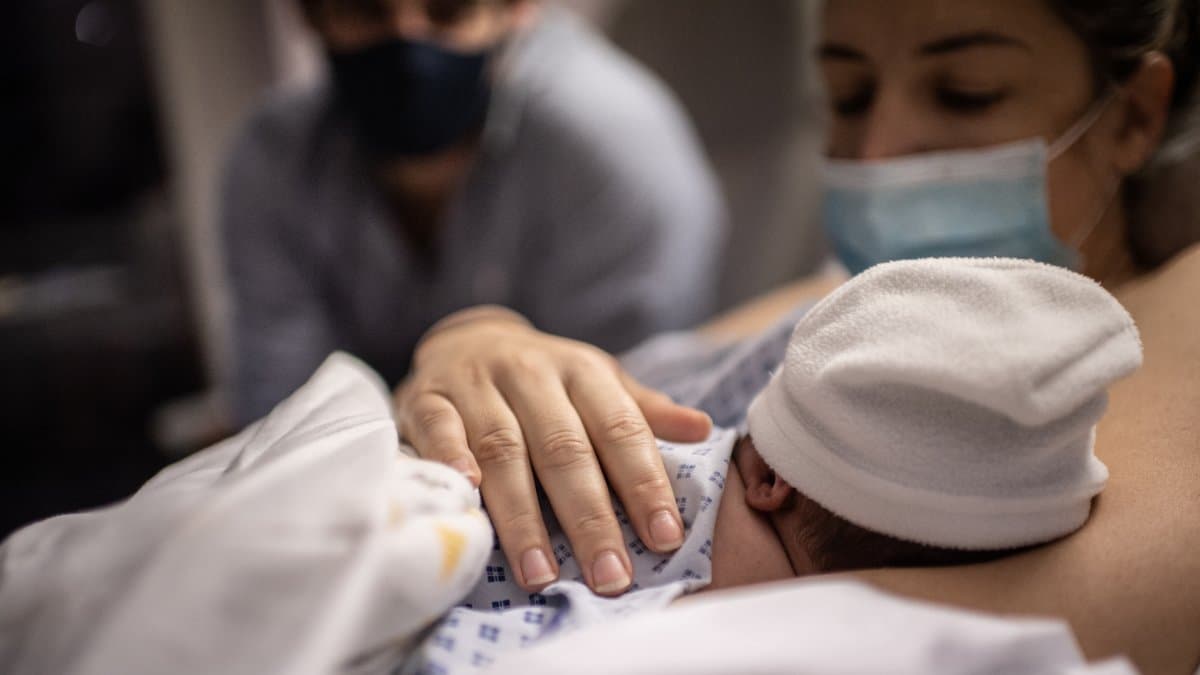

The arrival of a baby is often presented as a moment of complete happiness, but for many women the reality is different: it can be accompanied by sadness, anxiety or emotional exhaustion. Talking about maternal mental health remains an uncomfortable topic in many settings, where the idea persists that a mother "must be strong" and hide her vulnerability.
However, evidence compiled by organizations such as Postpartum Support International and the Health Resources and Services Administration (HRSA) underscores a clear reality: postpartum depression (PPD) is a common clinical condition, treatable and not the fault of the one suffering. Validating what mothers feel is fundamental: being a mom is difficult, and asking for help is not only valid, it is an act of courage necessary for family well-being.
What is the Baby Blues and how is it different from postpartum depression?
Not all negative emotions after childbirth indicate a clinical disorder. It is crucial to distinguish between transient sadness and a major depressive condition.
- Postpartum Blues (Baby Blues): Affects up to 80% of mothers in the first few days after delivery. It is characterized by mood swings, easy crying, irritability and feeling overwhelmed. It usually appears within a few days of birth and disappears on its own in about two weeks as hormone levels stabilize.
- Postpartum depression: It is more intense, disabling and long-lasting. It is not a character weakness, but a complication of childbirth that requires medical attention.
Most common postpartum depression symptoms
If you experience the following signs for more than two weeks, you could be dealing with PPD:
- Persistent deep sadness and emotional emptiness.
- Anhedonia: Lack of interest in the baby or activities you used to enjoy.
- Intense anxiety or panic attacks.
- Sleep disorders: Insomnia even when the baby sleeps.
- Intrusive thoughts: Recurrent fears about hurting oneself or the baby.
Warning signs: How to identify depression in the family environment
The close environment plays a key role in early detection. Often, the mother suffers in silence due to stigma or social pressure to "enjoy motherhood."
How to know if a mother needs professional help Pay attention to these signs:
- Social isolation: Avoiding calls or visits from friends and family.
- Difficulty bonding: Feeling disconnected from the newborn.
- Extreme irritability: Disproportionate anger reactions or constant hopelessness.
- Feelings of worthlessness: Frequent comments of guilt or "not being a good mother."
Listening without judgment and offering practical support (such as caring for the baby so she can rest) makes a difference. Validating her emotions with phrases such as "this is hard" or "you don't have to be able to handle everything" helps break down isolation.
Resources and helplines in Spanish for maternal mental health
Postpartum Support International (PSI): Offers helplines, virtual support groups and connection to professionals specializing in perinatal mental health.National Maternal Mental Health Hotline (HRSA): Provides 24/7 telephone assistance in the United States with Spanish-speaking counselors.Psychological therapy: Seeking a psychotherapist with a focus on perinatality is key to treating depression at its root.
Impact on child development and attachment
Postpartum depression not only affects the mother; if left untreated, it can impact the development of the infant. Extreme fatigue and lack of emotional responsiveness can disrupt the secure attachment bond, critical to the child's early emotional growth.
However, there is hope: seeking help protects both. With proper treatment (which may include therapy, community support or supervised medication), the mother-child relationship can be strengthened and the child's development will continue in a healthy manner.
Talking about postpartum grief and normalizing help-seeking for new moms is the first step to healing. You are not alone, you don't have to be able to handle it all and, most importantly, it's not your fault.
🛠 Do you think there is an error in this article?
Recommendations





LATEST