






SpaceX goes public with hopes of breaking all records
SpaceX is valued at $1.765 trillion, making it one of the 10 largest companies in the world.
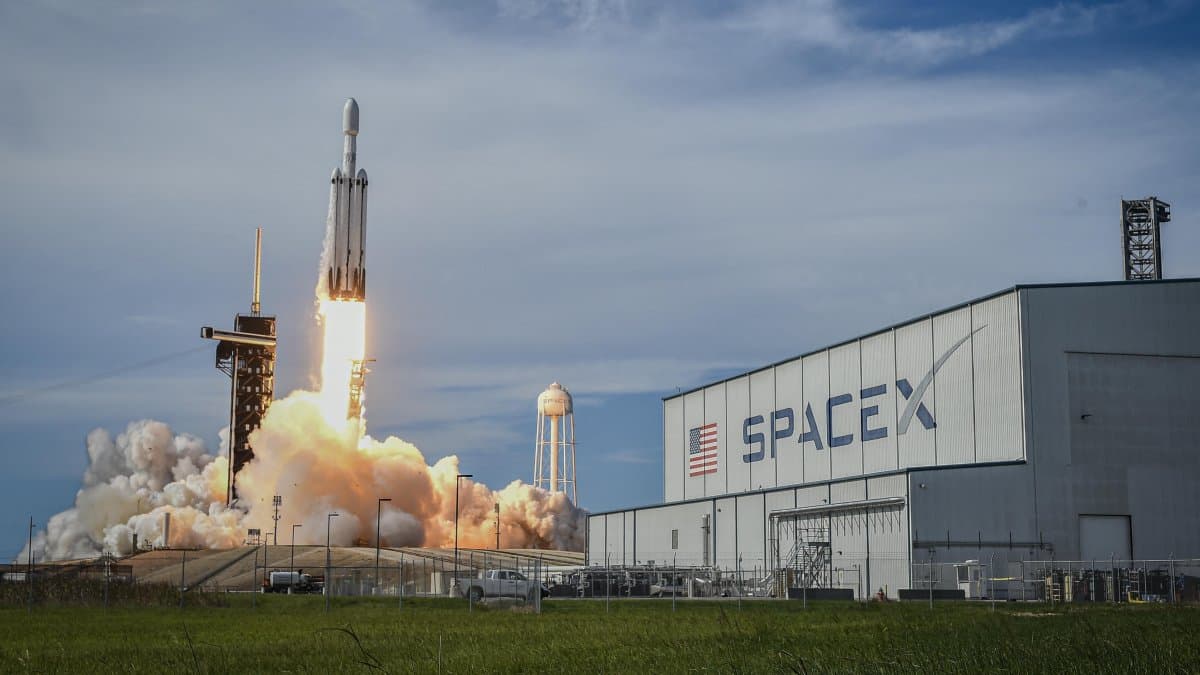

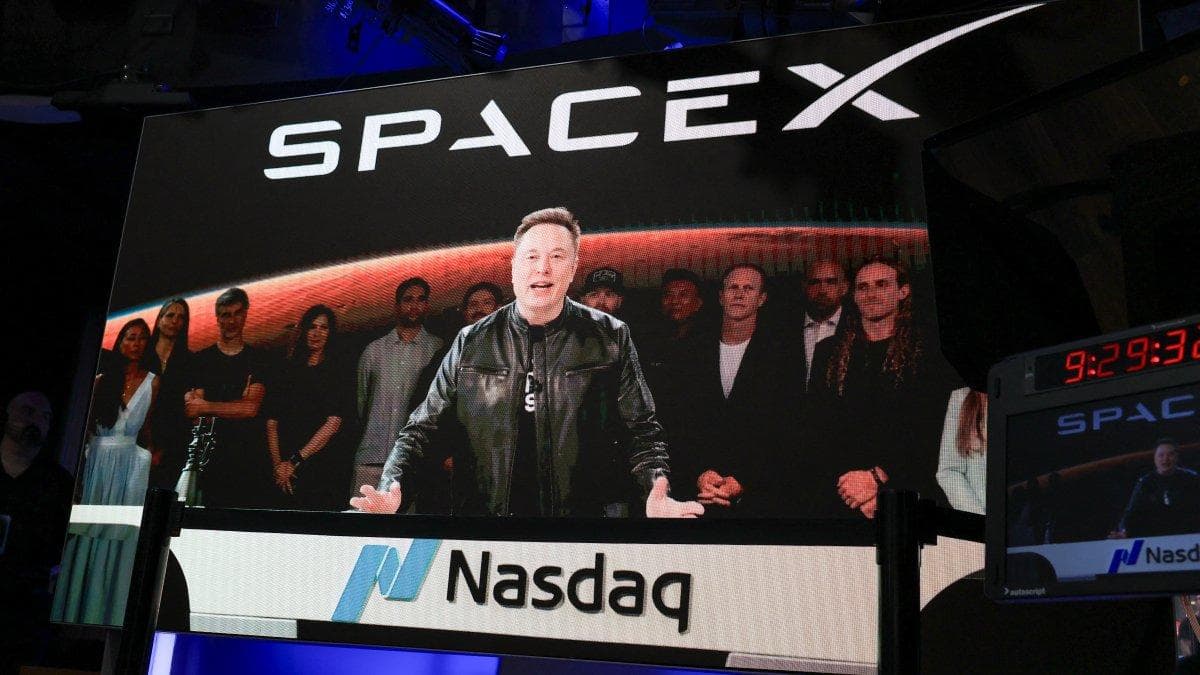
SpaceX, the company owned by Elon Musk, began trading on Wall Street this Friday following the largest initial public offering in history, with its founder’s promise to take humanity to Mars.
The historic stock market debut, through which the company aims to raise more than $75 billion, is expected to make Musk the world’s first trillionaire, and kick off a series of major IPOs by artificial intelligence companies this year.
According to the specialized account Elon Musk's Jet Tracking on Bluesky, the CEO of SpaceX arrived in the New York area on Tuesday.
Musk becomes the world's first trillionaire
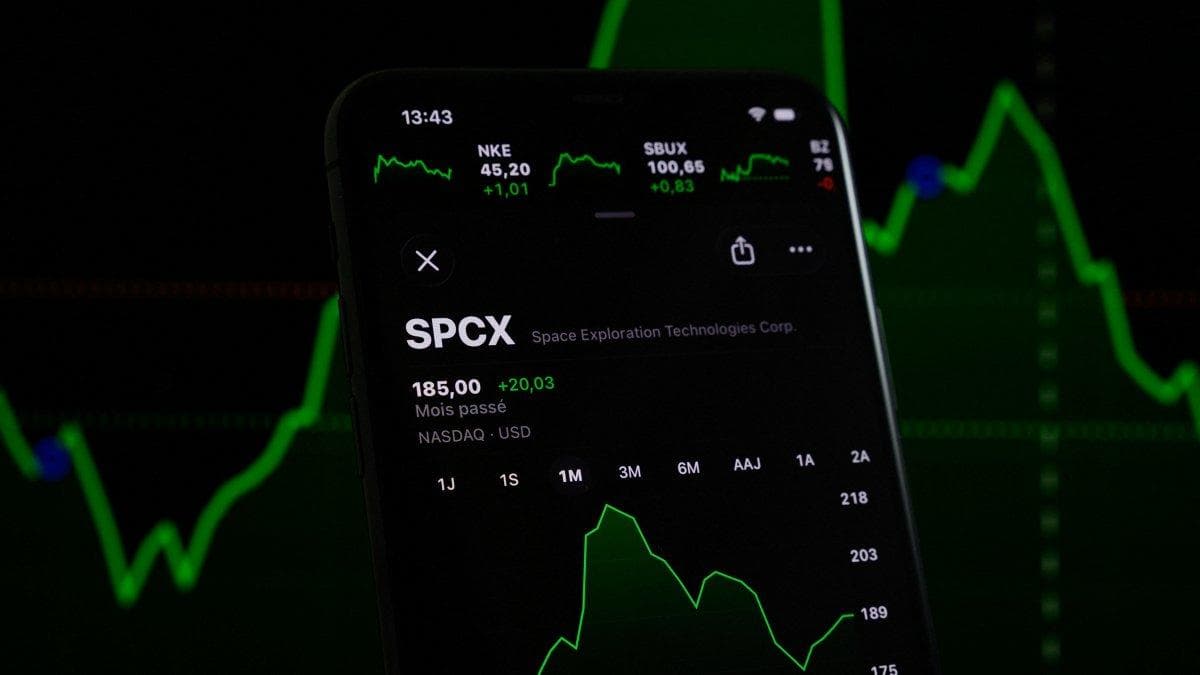
The debut on the Nasdaq in New York capped weeks of investor frenzy surrounding the rocket company, which has now transformed into a conglomerate of artificial intelligence and satellites.

The company, based in Starbase, Texas, has the option to issue more shares than planned, depending on demand, which would raise the total proceeds to a maximum of $86 billion.
SpaceX has a valuation of $1.765 trillion, making it one of the ten largest companies in the world.
Retail investors
Many of them share Elon Musk’s vision of a multifaceted conglomerate spanning rockets, artificial intelligence, semiconductors, satellite internet and social media.
It is also a group whose growth slowed last year and which lost nearly $5 billion in 2025, weighed down by massive investments in A.I.
🛠 Do you think there is an error in this article?
Recommendations



LATEST