ANALYSIS.
Iran war spiked inflation to 3.3% in March
This is the highest since May 2024. The rise in gas prices, which rose by 21.2% as a result of the conflict and the closure of the Strait of Hormuz, accounted for "nearly three quarters of the monthly all items increase."

The Consumer Price Index recorded the biggest rise since May 2024. According to data released by the Bureau of Labor Statistics, inflation increased by 0.9% on a seasonally adjusted basis in March. On an annual basis, the headline index increased by 3.3% on a non-seasonally adjusted basis.
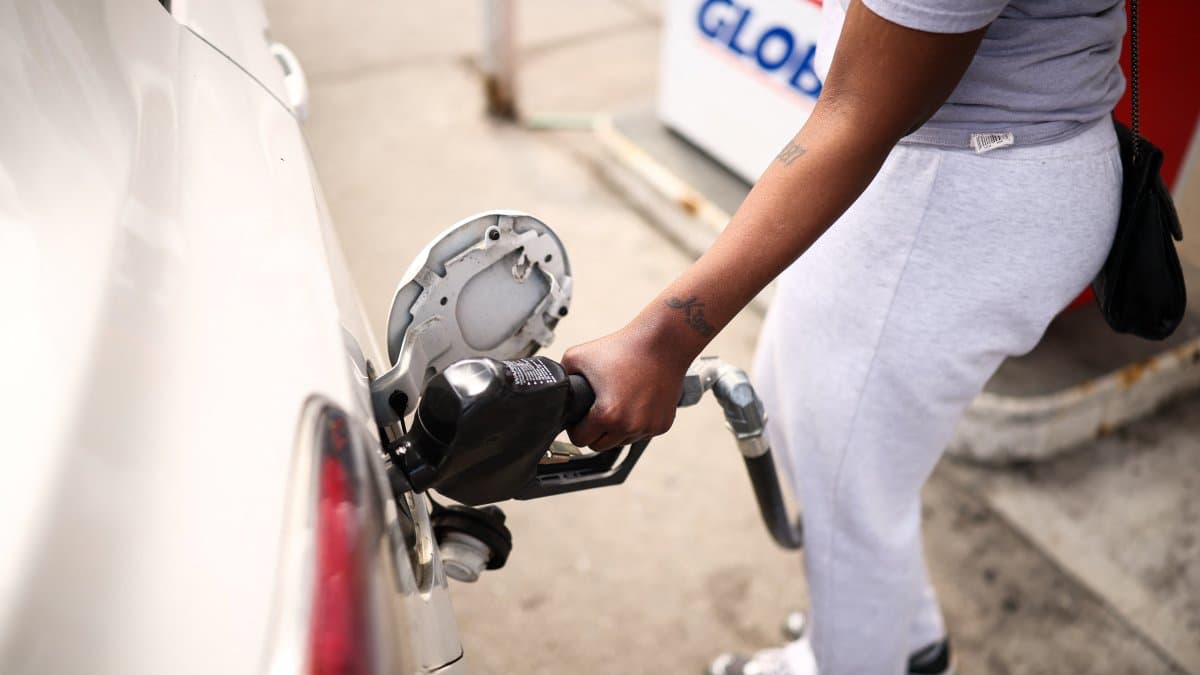
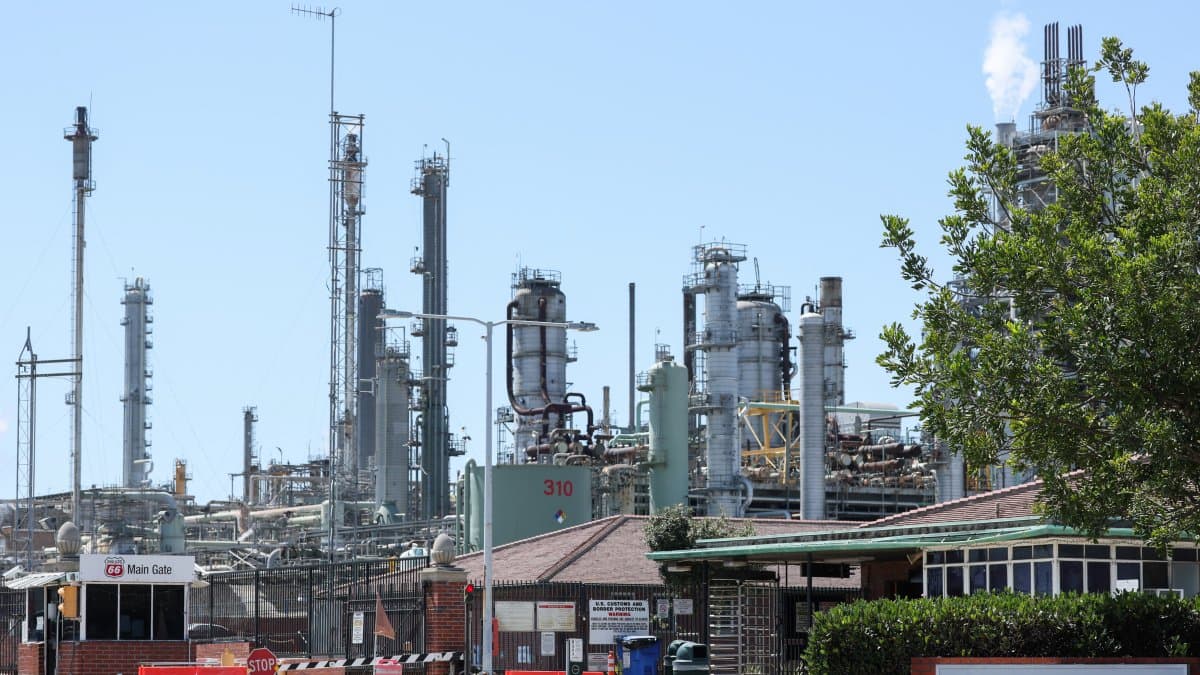
The main culprit was gas, which rose 21.2% as a result of the crisis caused by the Iran war and the blockade of the Strait of Hormuz. This accounted for "nearly three quarters of the monthly all items increase," according to the BLS, and dragged the energy index up 10.9% in March.
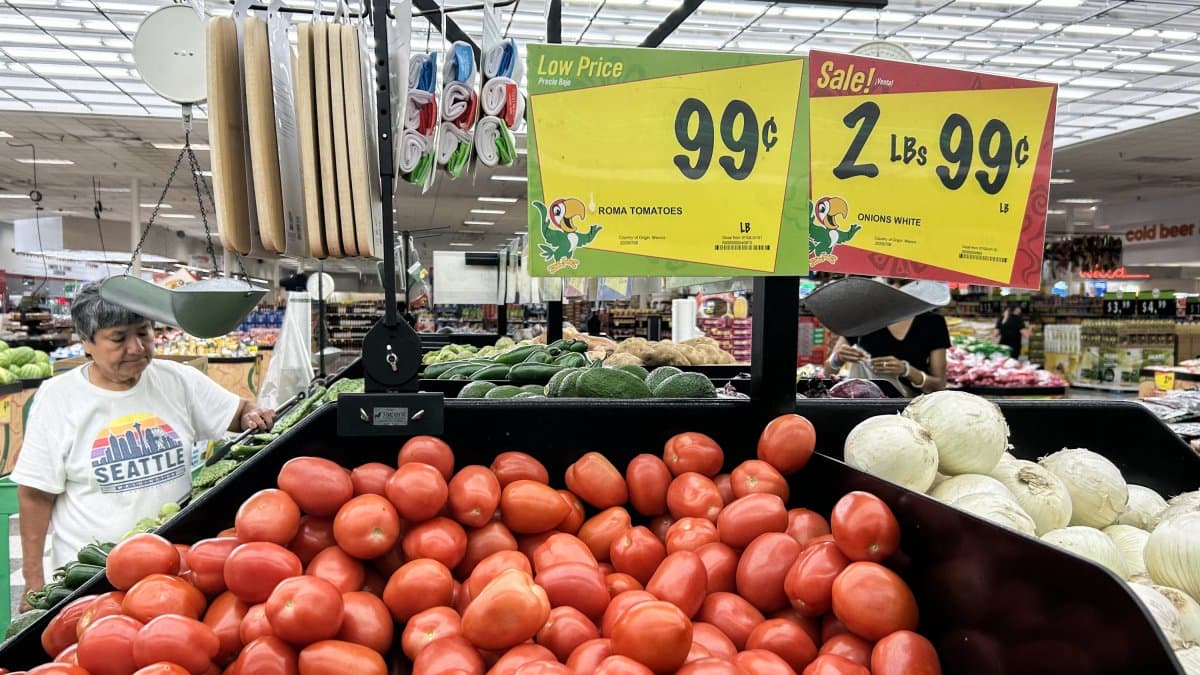
In addition, the cost of housing also increased in March, in its case by 0.3%. However, the agency notes that "the index for food was unchanged over the month as the index for food away from home rose 0.2 percent, while the index for food at home fell 0.2 percent."
Underlying inflation (which excludes food and energy) rose 0.2% in March. The BLS highlights increases in airfares, clothing, home furnishings and operations, education, and new vehicles. "Conversely, the indexes for medical care, personal care, and used cars and trucks were among the major indexes that decreased in March," its statement said.
Figures slightly better than experts' forecasts
Annual inflation registered a rise to 3.3%. Through February, food prices rose to 2.4% over the previous 12 months. "The all items less food and energy index rose 2.6 percent over the year, following a 2.5-percent increase over the 12 months ending February. The energy index increased 12.5 percent for the 12 months ending March. The food index increased 2.7 percent over the last year" the BLS explains.
The rise however, is slightly lower than that predicted by experts for both core inflation (2.6% versus the 2.7% expected) and headline inflation (3.3% instead of the 2.4% predicted).
🛠 Do you think there is an error in this article?
Recommendations






LATEST