Trump claims JPMorgan and Bank of America discriminated against him "severely" by refusing his deposits
Despite the Trump administration's criticism, the big banks have tried to maintain a diplomatic tone with the White House, even praising policies pushed by the president that could directly affect them.
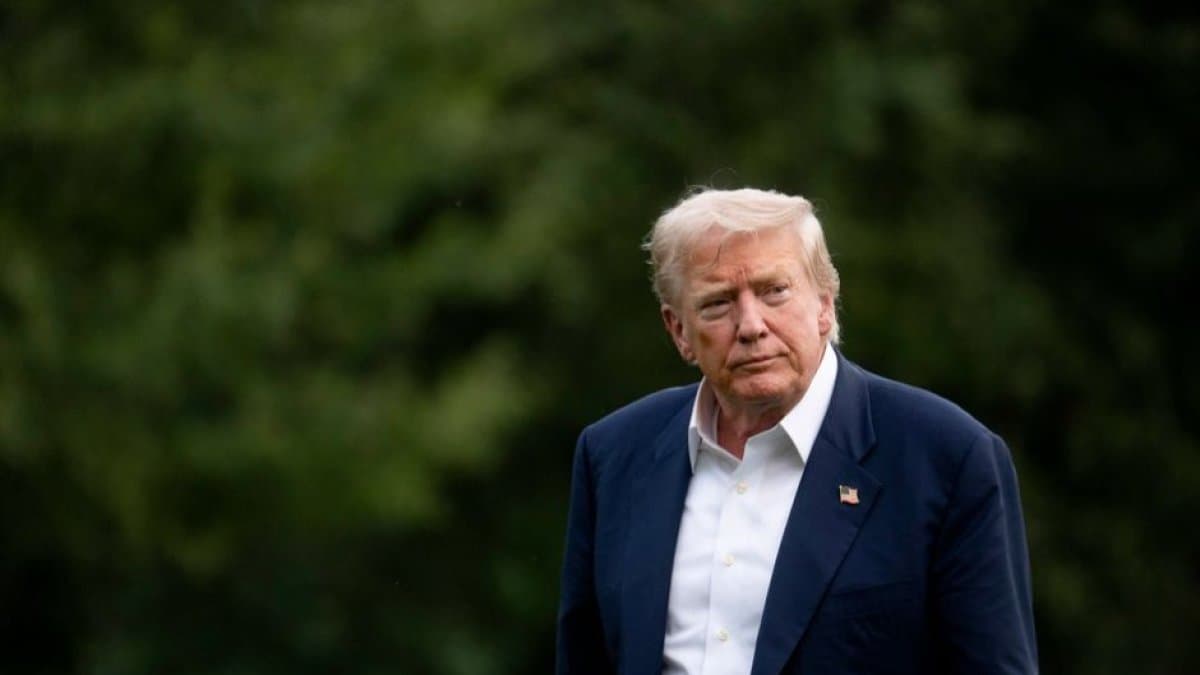

President Donald Trump asserted that JPMorgan and Bank of America, the nation's two largest banks, discriminated against him "very severely" in recent years after refusing him up to $1 billion in deposits and allegedly ordering him to move his money to other entities.
In an interview with CNBC, Trump stated the country's largest institutions shut him out of the financial system and, as a result, he had to distribute his capital to different small banks "all over the place."
"[Bank of America CEO Brian Moynihan] said, ‘We can't do it,’" Trump commented. "So I went to another one, another one, another one. I ended up going to small banks all over the place. I mean, I was putting $10 million here, $10 million there."
Later, Trump said JPMorgan practically forced him to move his money, after informing him he had 20 days to move "hundreds of millions of dollars in cash" to another bank.
The banks discriminated against me very badly," denounced the president, who insisted in his criticism against the big Wall Street institutions that, according to him, have "unbanked" conservatives for political or ideological reasons.
Economy
Trump prepares executive order to sanction banks that discriminate against curators and cryptocurrency firms
Emmanuel Alejandro Rondón
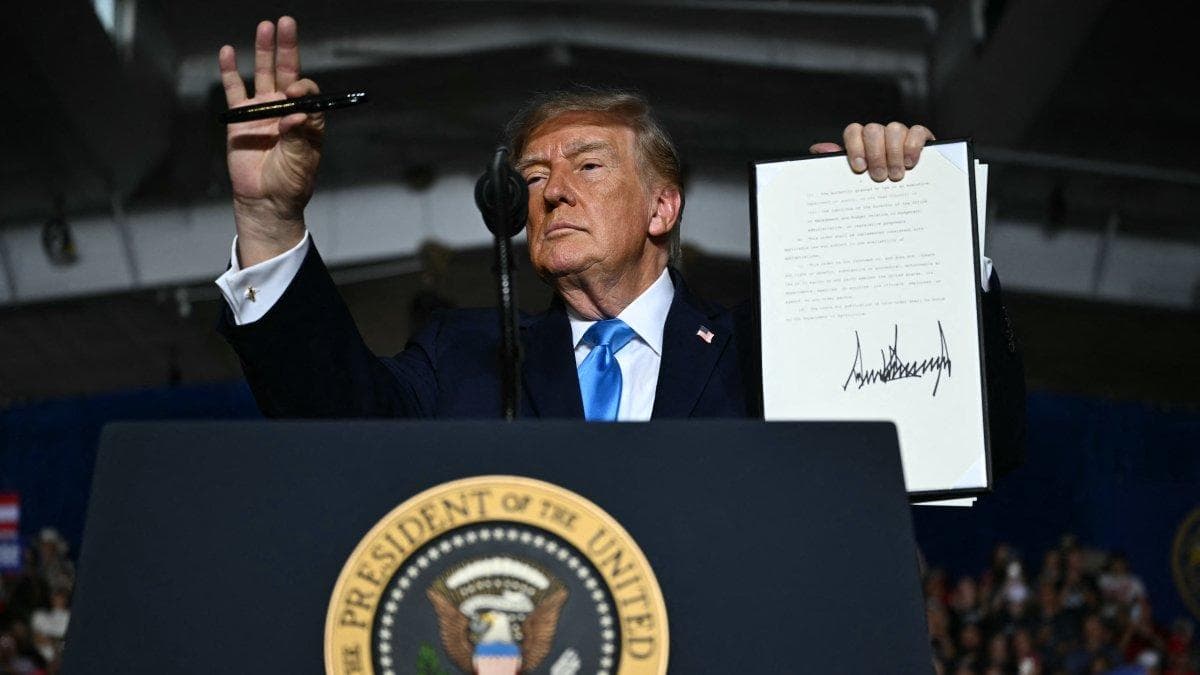
Trump's words come after The Wall Street Journal reported that the White House is preparing an executive order to sanction banks that "unbank" or discriminate against individuals or firms on religious, political or ideological grounds. For example, in addition to conservative activists, companies in the crypto sector and religious organizations have complained that big banks are excluding them from the U.S. financial system.
However, banks argue that they do not close or stop opening accounts for political reasons, but because of strict regulations to prevent financial crimes, including the celebrated Bank Secrecy Act of 1970.
Despite the Trump Administration's criticism, the big banks have tried to maintain a diplomatic tone with the White House, even praising policies pushed by the president that could directly affect them.
JPMorgan, for example, denied that it closes accounts for religious reasons while praising President Trump for addressing the regulatory issue.
"We don’t close accounts for political reasons, and we agree with President Trump that regulatory change is desperately needed," a JPMorgan spokeswoman said Tuesday. "We commend the White House for addressing this issue and look forward to working with them to get this right."
🛠 Do you think there is an error in this article?
Recommendations


LATEST