






Fed implements its third rate cut, aims to stabilize labor market
Although the FOMC Federal Open Market Committee (FOMC) vote showed three dissents, the majority opted for a limited 25 basis point reduction.
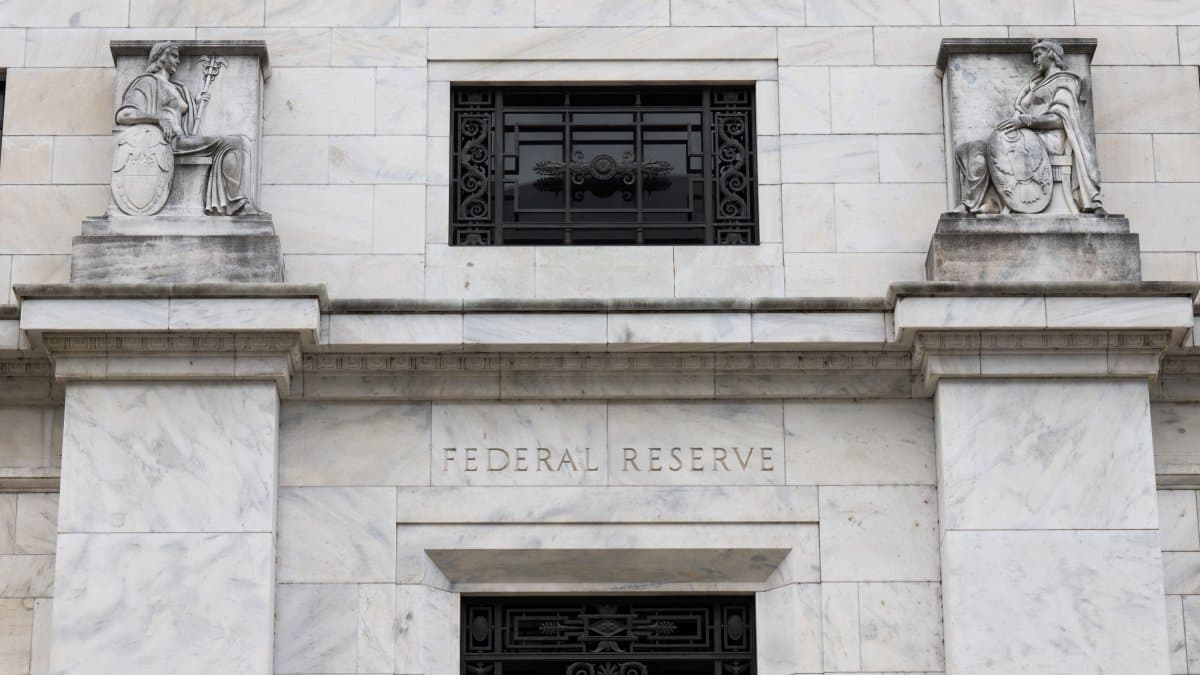

The Federal Reserve approved on Wednesday to cut its benchmark rate, the third in a row since September, and placed the target range for federal funds between 3.5% and 3.75%. The move came from the Federal Open Market Committee (FOMC) as the institution looks to support a labor market that has lost momentum, despite inflation remaining above the 2 percent target.
The cut confirms that the Fed has continued to cut its rate in the latest quarter to try to balance the slowdown in employment with inflationary pressures. Official figures were slow to consolidate because of the 43-day government shutdown, but the available data indicate a moderate expansion in economic activity and a labor market with signs of pressure.
A divided committee in the face of a challenging economic scenario.
The FOMC vote showed three dissents. The presidents of the Chicago and Kansas City Fed voted to keep rates unchanged, while one member voted for a larger 50 basis point cut. The majority opted for a limited 25 basis point reduction.
The central bank noted that uncertainty remains high: job creation has moderated over the year, and the unemployment rate rose through September, while tariff-hit goods prices have contributed to higher inflation. That combination puts the economy in a delicate situation for monetary policy.
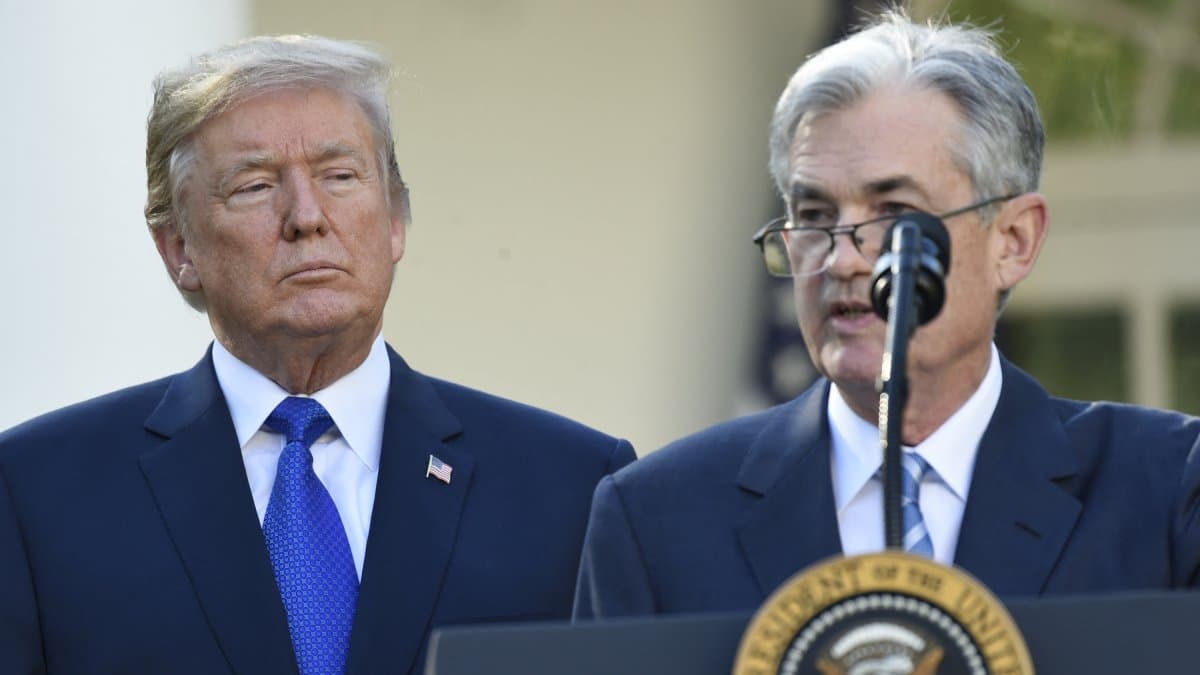
Powell: balance between employment and inflation; stance close to neutral.
Fed Chairman Jerome Powell explained that the cumulative cuts—three cuts totaling 75 basis points—seek to stabilize the labor market, although he acknowledged that inflation remains elevated in part because of the effect of tariffs. Powell stated that the current rate is "within a broad range of estimates of its neutral value" and that the Fed is in a position "to wait to see" how employment and inflation data evolve before taking further action.
He also recalled that October and November data should be assessed with caution because of delays linked to the government shutdown and that more complete December information is expected to be available before the next meeting. He further noted that his term as chairman concludes in May and that his goal is to leave the economy in good shape; he did not comment on whether he would then remain as governor.
Economy
119,000 jobs were created in September, 'double what we expected,' per official report
Diane Hernández
Market reaction and expectations
Markets anticipate a likely pause in January: according to the CME FedWatch tool, the probability that the Fed will hold rates at 3.5%-3.75% at its next meeting in January is 75.6%.
With three cumulative cuts and policy approaching neutrality, the Fed enters 2026 in a phase in which upcoming data—especially employment data—will be decisive in deciding whether to remain on pause or resume tightening.
🛠 Do you think there is an error in this article?
Recommendations






LATEST