Korea Zinc announces historic investment in Tennessee: $6.6 billion in two critical minerals plants
The project reinforces the Trump Administration's strategy to increase control over the supply chain and reduce dependence with China in strategic fields, such as technology and defense.
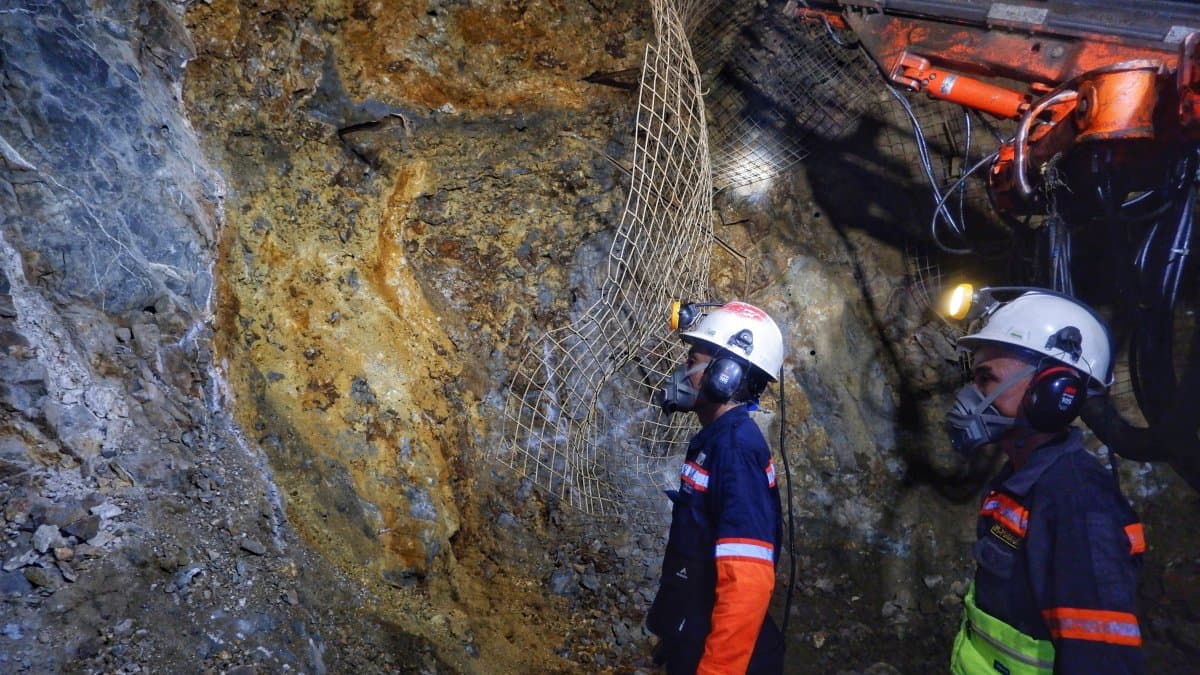

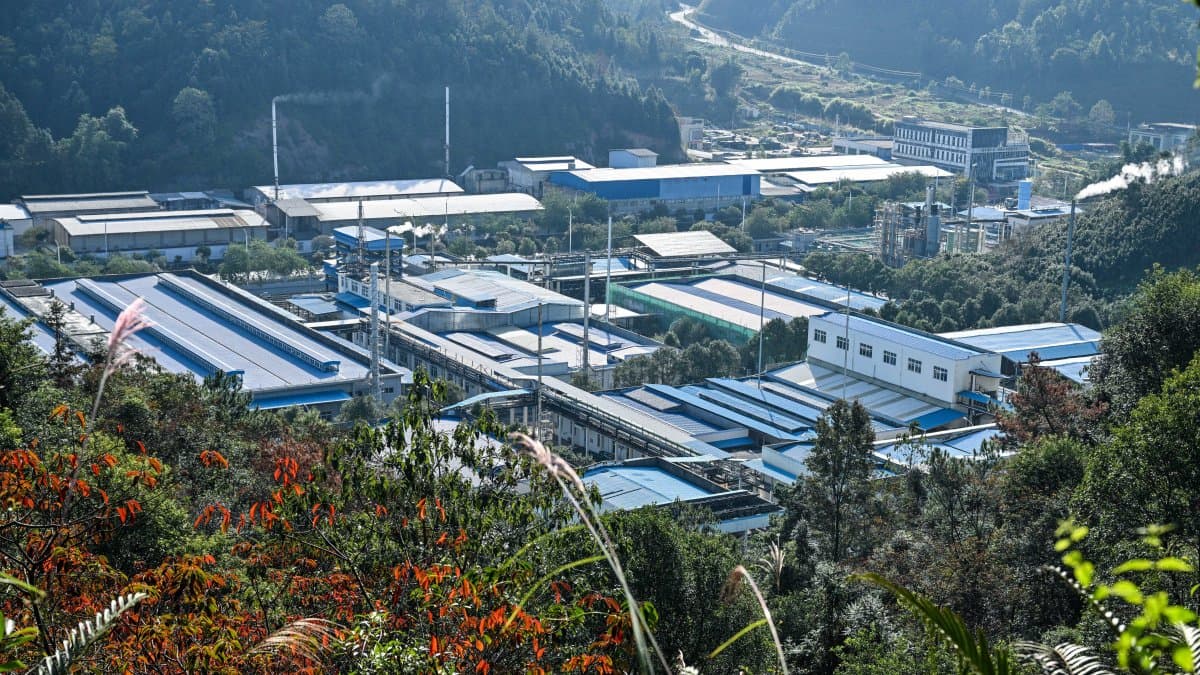
Korea Zinc announced a historic $6.6 billion investment in Tennessee. The Korean company will open two critical minerals plants in the city of Clarksville and the town of Gordonsville. In this way, Korea Zinc Tennessee's landing will become the largest direct private investment in the state's history.
While the project spans a variety of counties, the company plans to build a new headquarters in Clarksville to serve as its U.S. headquarters. At the same time, in Gordonsville, it plans to reopen a disused former mine, boosting production in the community.
The investment is estimated to create 420 new jobs in Montgomery County and another 320 in Smith County. Against a backdrop of international conflict with China over control of the supply chain for major technology products, the new facility will expand refining capacity for 13 critical minerals.

For Tennessee Governor Bill Lee, the investment will boost the region's "economic prosperity" and underscores the state as a great place to "live, work and raise a family."
"Korea Zinc’s decision to build a world-class critical minerals refinery in our state is not just an economic victory – it is a geostrategic one that directly supports President Trump’s efforts to restore American economic security in partnership with trusted allies, like South Korea," celebrated Bill Hagerty, Tennessee Senator.
Welcome to TN, Korea Zinc!
We’re proud this top company is putting down roots in the Volunteer State, bringing hundreds of jobs & an historic $6.6 billion investment — the largest in state history. https://t.co/1ErvMuCV8C
"This project will expand the United States’ capacity to produce the minerals that power our advanced industries and defense capabilities, strengthening national security while delivering high-paying jobs for hundreds of Tennessee families," he added.
Under the Energy Act of 2020, critical minerals are considered those that are essential to "the economic and national security of the United States."
As for Korea Zinc, it is a leading manufacturer of metals that do not contain iron in their composition, such as zinc, lead, copper, gold and silver. Even so-called strategic metals, such as antimony, indium, bismuth, tellurium, gallium and germanium. For example, their uses range from defense systems, thermal sensors and missile guidance to semiconductors, solar panels and batteries.
The project therefore reinforces the Trump Administration's strategy to increase control over the supply chain and reduce dependence on China in strategic fields, such as technology and defense.
🛠 Do you think there is an error in this article?
Recommendations







LATEST