






Trump prepares executive order to sanction banks that discriminate against curators and cryptocurrency firms
If irregularities are proven, banks could face stiff financial penalties, court orders or even criminal prosecution.

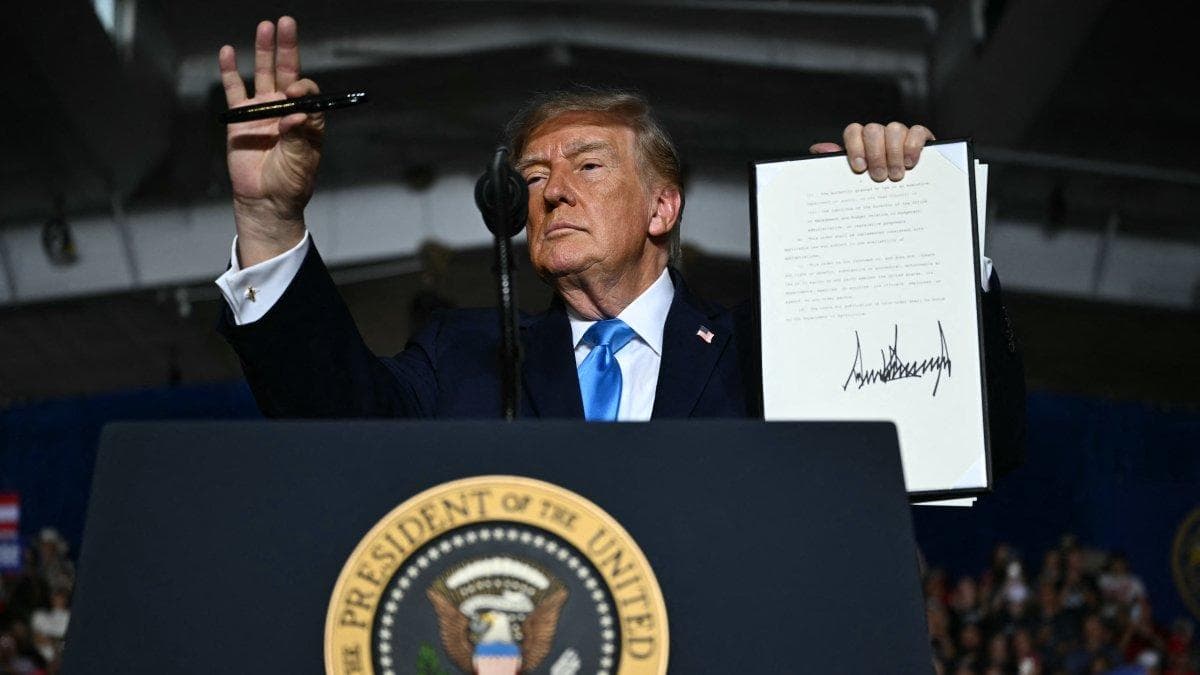
The Donald Trump administration is preparing an executive order seeking to prevent financial institutions from discriminating against individuals, religious organizations or businesses, including those in the cryptocurrency sector, for political or ideological reasons.
According to a draft of the executive order accessed exclusively by The Wall Street Journal, the White House will order regulatory agencies to investigate whether any bank or financial institution has violated rules such as the Equal Credit Opportunity Act, antitrust rules or consumer protection laws by closing accounts without legal justification.
In case irregularities are proven, banks could face stiff financial penalties, court orders or even criminal prosecution. The Justice Department could also step in and take on cases if they are particularly serious.
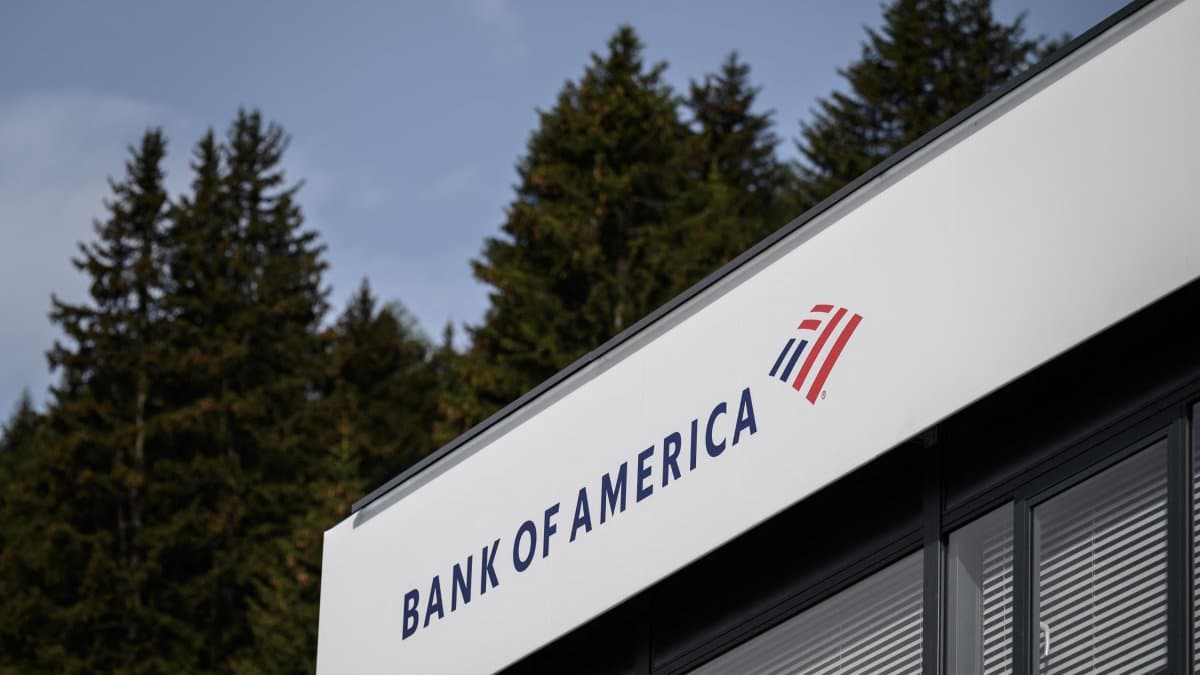
According to the WSJ, although the text of the order does not mention any specific bank, it presumably refers to cases such as Bank of America, which was accused of closing accounts of a Christian organization with operations in Uganda.
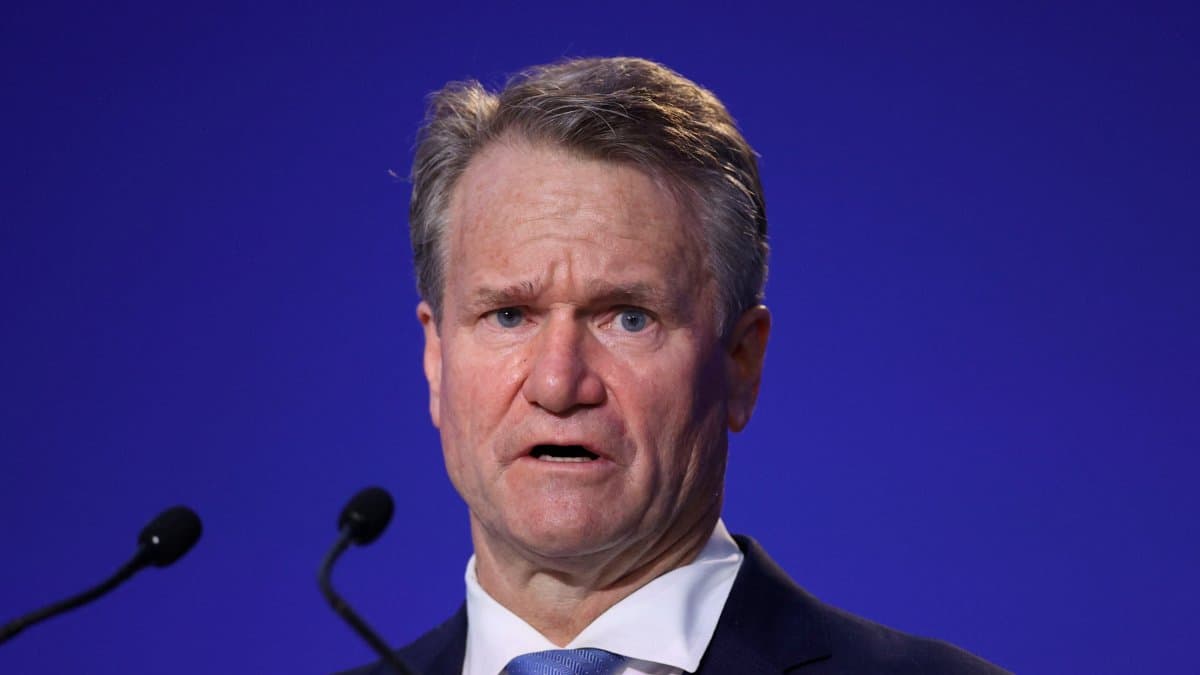
The bank, in defending its decision, claimed that the closure of the Ugandan accounts had nothing to do with religious or political discrimination, but rather that it does not offer services to small businesses based outside the U.S.
The executive order also questions the role of some banks in investigating the events of Jan. 6, 2021, in the episode of the Capitol takeover.
For years, Trump supporters and other conservative sectors have claimed alleged "banking censorship" motivated by religious, political stances or by belonging to industries such as crypto. Digital asset companies, in particular, complained that the Biden administration prevented them from accessing banking services through regulatory pressure. Banks have blamed regulations and anti-money laundering laws for some controversial decisions.
The order further instructs the Small Business Administration to review the behavior of banks and other entities that guarantee federal loans. The idea, a priori, is to eliminate internal policies that have motivated discriminatory decisions.
For now, it is still unclear when the executive order will be signed, but it could happen as soon as this week unless adjustments are made to the final text.
🛠 Do you think there is an error in this article?
Recommendations







LATEST