Israel, with no clear majority according to exit polls: Netanyahu calls for a right-wing government, and his main rival, Eisenkot, asks him to step down
The projections shifted throughout the night. In the early hours, the opposition appeared to be in the lead. As the night wore on, Netanyahu's bloc regained ground. The latest update from Channel 12 puts the prime minister's right-wing and religious coalition at 52 seats, compared with 49 for the opposition parties.


Israel awoke this Wednesday without a clear winner. Exit polls from major television networks currently place Benjamin Netanyahu's Likud as the party with the most votes, but neither his bloc nor the opposition bloc, led by former military chief Gadi Eisenkot, has reached the 61 seats needed to form a government in the 120-seat Knesset. Even so, both sides came out claiming a mandate from the polls.
The projections shifted throughout the night. In the early hours, the opposition appeared to be in the lead. As dawn broke, Netanyahu's coalition regained ground. Channel 12's latest update gives the prime minister's right-wing and religious coalition 52 seats, compared to 49 for the opposition parties, while the Arab parties—the Joint List and Ra'am—have 19 seats, a record number. Kan 11 has both blocs tied at 51, and Channel 14, which is pro-government, gives the ruling coalition 60. Likud would win 27 seats, six more than Yashar, Eisenkot's party.
However, none of these results are official yet. Shortly after midnight, results were available from only 128 of the more than 12,000 polling stations, and the final tally must be published no later than November 4.
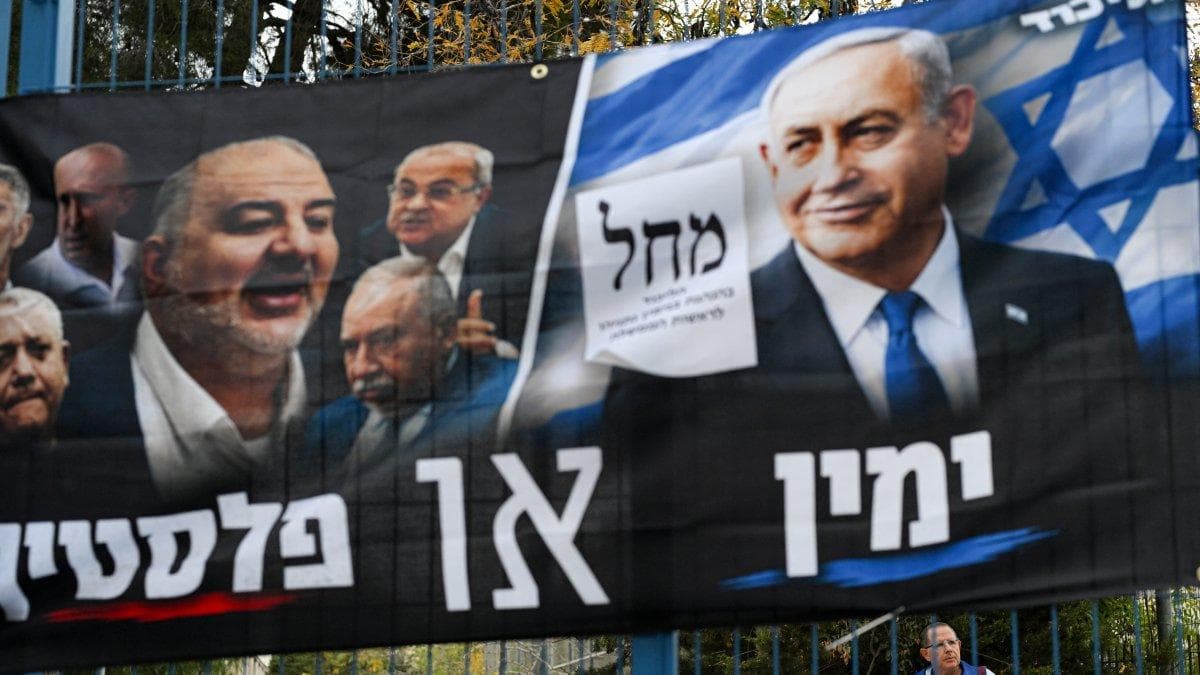
What is certain, however, is the sheer scale of voter turnout: 77.7%, the highest since 1999 and seven points higher than in 2022, in the first national election since the Hamas attack on October 7, 2023. For much of the country, the vote was a referendum on Netanyahu, the longest-serving prime minister, and on who bears responsibility for that day's security failures and the military achievements in the years since.
Netanyahu's main opponent, Eisenkot, spoke first. Addressing his supporters in Tel Aviv, when exit polls still favored him, he asserted that Israelis voted against keeping the prime minister in office.
"The public voted for change. The coalition of failure lost the people's trust," he said before calling on Netanyahu to accept this vote of no confidence and leave politics. The opposition leader also ruled out the idea of returning to the polls due to the high voter turnout and promised to form a Zionist government that represents all citizens, is committed to universal military service, and to dismantling Hamas. He also called on security officials to serve only the state and its citizens.
Netanyahu responded hours later from Likud headquarters in Jerusalem, his voice hoarse and with polls now showing him in a more favorable position.
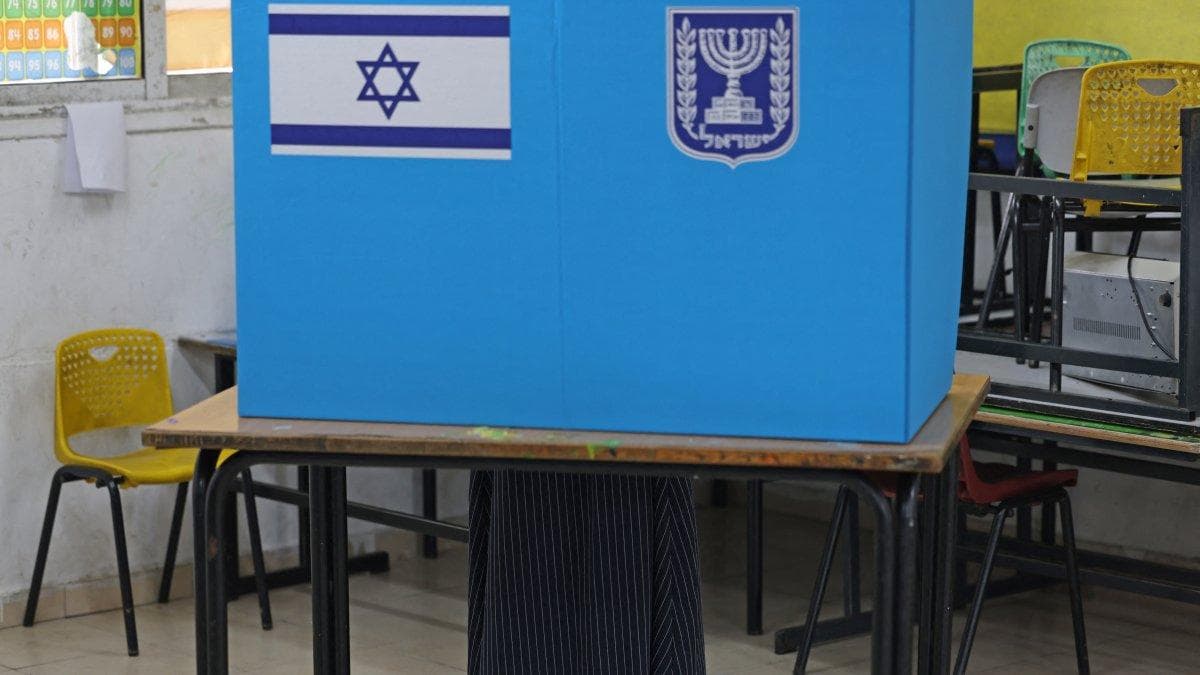
"The right-wing bloc has a clear and decisive majority among the Zionist public," the prime minister said, announcing that he would seek to form a "strong, national, right-wing government." In his speech, he flatly rejected any alliance that depends on Arab parties, whom he accused of viewing Hamas as a charitable organization, and once again placed Iran at the center of his remarks.
"Israel has before it a historic and unique opportunity, together with our friend President Trump, to eliminate the Iranian threat once and for all," he said.
The key, then, will be the final numbers and the alliances. Once the results are certified, President Isaac Herzog will consult with the elected parliamentary blocs and task the person most likely to secure 61 votes with forming a government. Eisenkot could do so if he secures the Arab parties' recommendations, which may support him without formally joining his coalition. However, even with the mandate, he would not be guaranteed to form a government. The chosen person would have 28 days to negotiate, with a possible 14-day extension.
Meanwhile, Netanyahu will continue to lead a caretaker government, and the country is preparing for weeks of negotiations with an uncertain outcome.
🛠 Do you think there is an error in this article?
Recommendations




LATEST