Donald Trump approves Flávio Bolsonaro's Entry into the US: Bolsonaro claims judicial persecution in Brazil following Lula's victory
A senior Department of State official confirmed that the U.S. "will issue visas to Flavio Bolsanaro and his family and allow them entry" to the country.


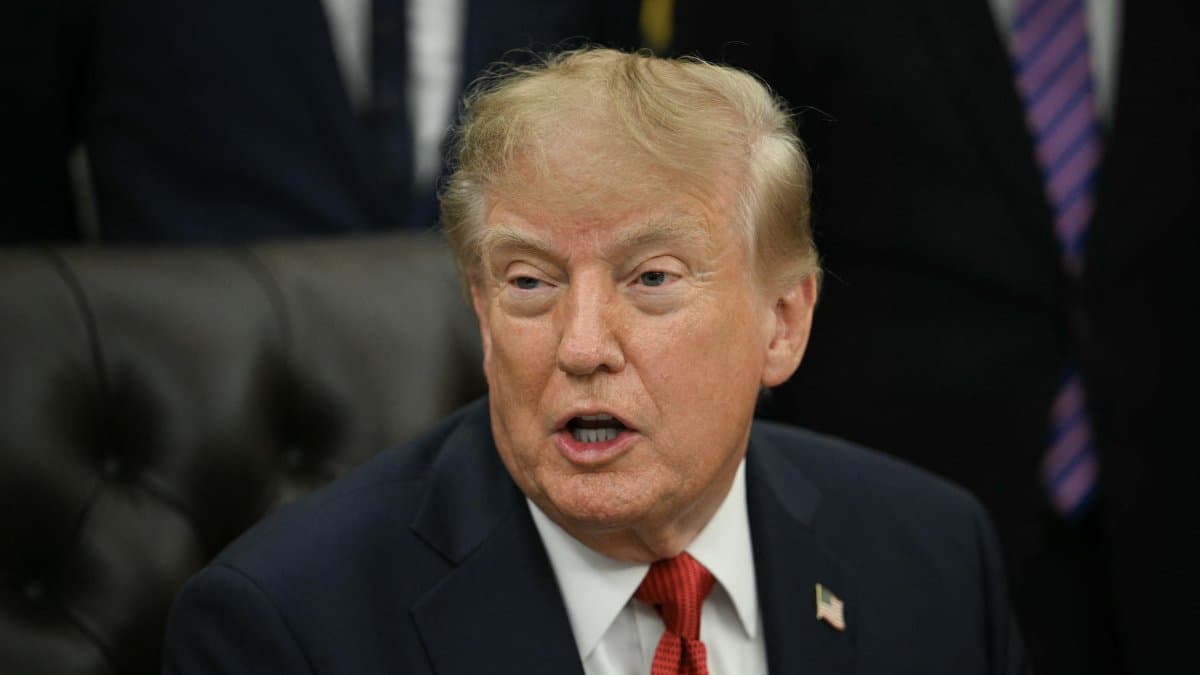
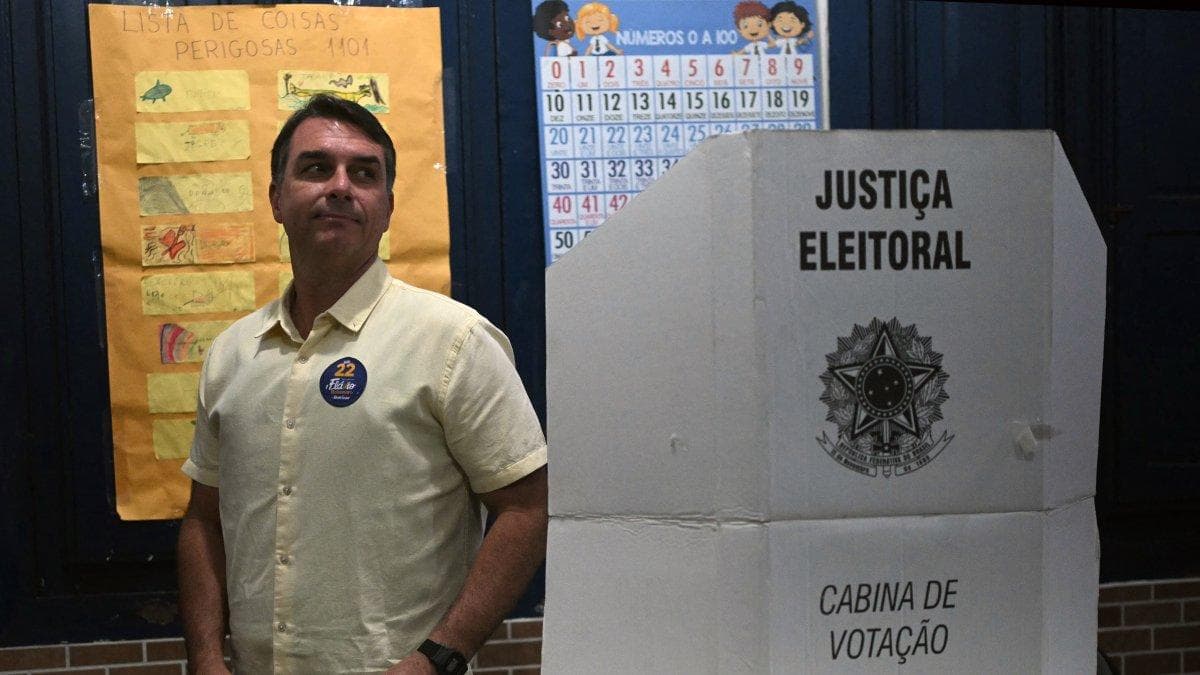
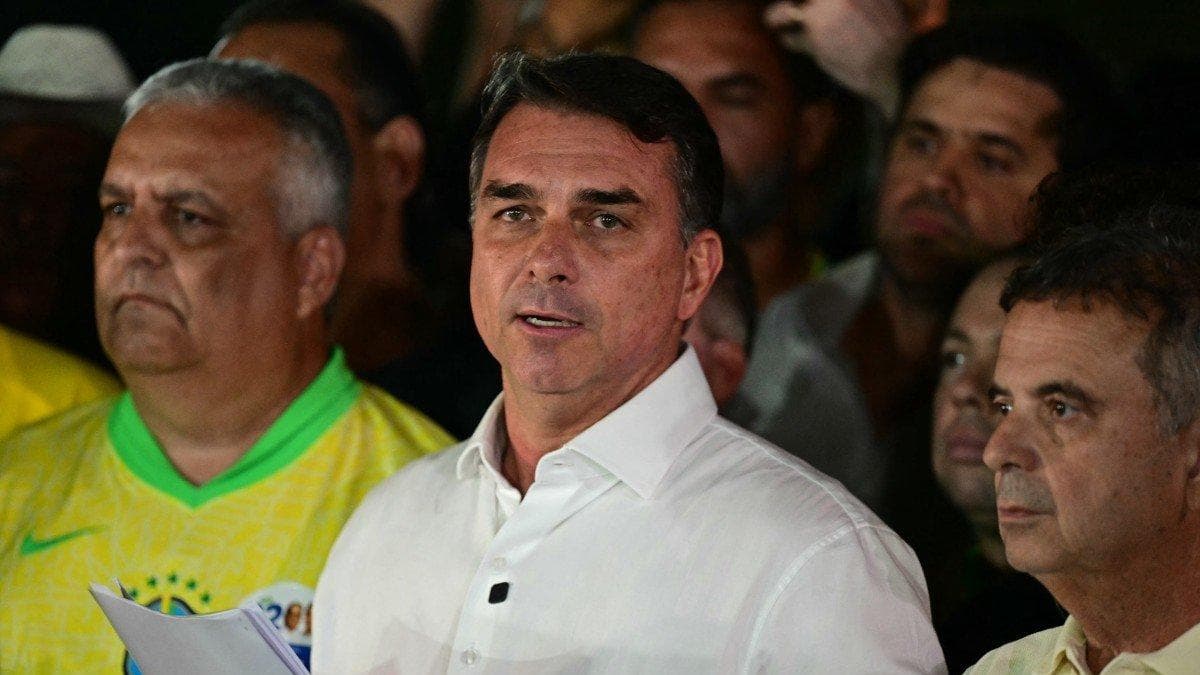
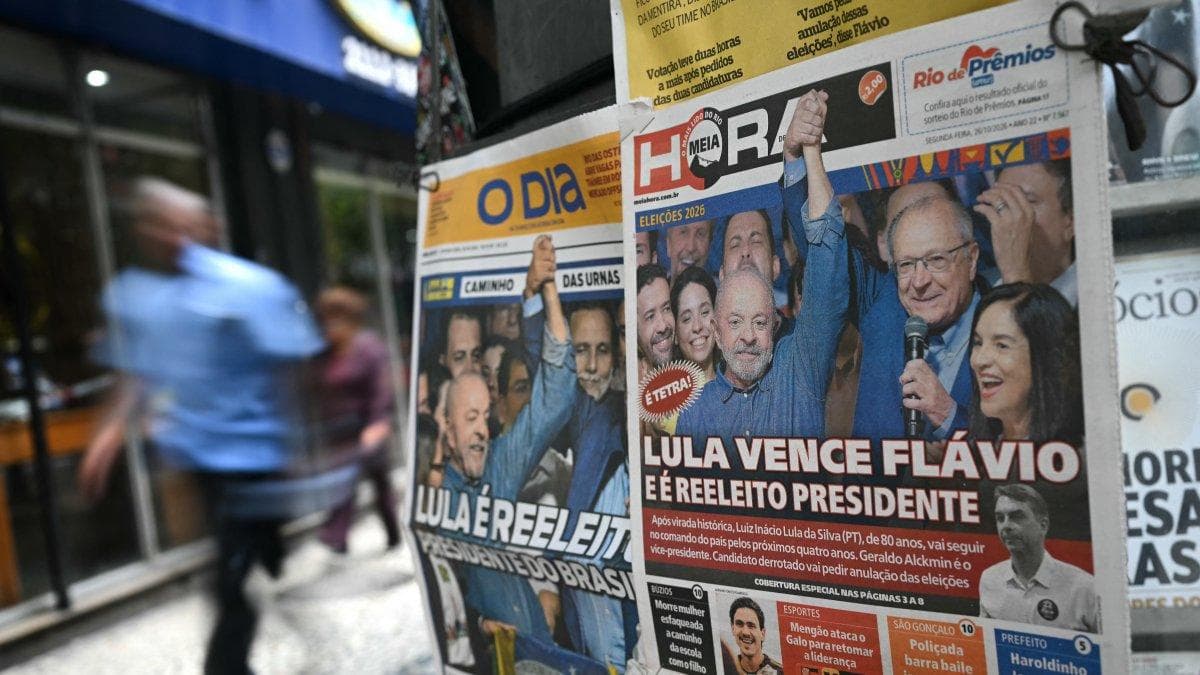
Former Brazilian presidential candidate Flávio Bolsonaro is now in the United States after the White House gave the green light for his entry. President Donald Trump approved the entry of the Brazilian senator, who was defeated on Sunday by the leftist Luiz Inácio Lula da Silva in the presidential runoff, to enter the country with his family, even though he is facing investigations in Brazil for corruption and money laundering, charges that Bolsonaro denies and attributes to political persecution led by the controversial judge Alexandre de Moraes, vice president of Brazil's Federal Supreme Court, who has a long history with the Bolsonaro family and conservative critics.
CNN confirmed the news, citing a Trump adviser. According to that source, administration officials had known since Monday that Bolsonaro had about 24 hours to turn in his passport, and they made it clear he would be welcomed on U.S. soil. A senior Department of State official confirmed that the U.S. "will issue visas to Flavio Bolsonaro and his family and allow them entry" to the country.
The conservative senator's departure openly defied the Brazilian justice system. Supreme Federal Court Justice Moraes had ordered him on Monday to surrender his passports, including his diplomatic passport, and prohibited him from leaving the country. Bolsonaro failed to comply, and the Federal Police canceled the documents, according to CNN Brasil. At the time of his departure, no arrest warrant was out against him, although legal analysts warn that his failure to comply could lead to one.
Flávio had presented the measure as part of a campaign against him. In a video shared on social media, he said agents approached him in the middle of the street as he was leaving the home of his father, former President Jair Bolsonaro, who is under house arrest. “As I was leaving, Lula’s Federal Police were at the door of his house, and right in the middle of the street, they notified me that I had to surrender my passports and that I am also prohibited from leaving the country,” he said. In the same message, he denied any intention to flee.
The Supreme Court is investigating the senator in two cases. One involves an alleged money-laundering scheme linked to online gambling platforms. The other examines the financing of "Dark Horse," the film about his father's life, which, according to the Federal Police, allegedly received funds from Banco Master, a bankrupt bank at the center of a multimillion-dollar fraud scheme. Bolsonaro denies all the accusations.
His route to the United States also caused confusion. The Argentine media outlet Infobae reported that he left Brazil via Argentina, but Javier Milei's government said it had no record of his entry. It is unclear in which city he landed or whether he spoke directly with Trump before traveling.
In Brazil, Lula called his rival's departure shameful and argued that he could have stayed to defend himself in court. The Liberal Party, for its part, ultimately acknowledged the election results, though it asked for clarification on the issues raised during the election, including the extension of voting hours—an unusual measure in the South American giant.
With this trip, Flávio joins a group of Brazilian right-wing figures based in the United States, including his brother Eduardo. His journey also echoes his father's, who, after losing to Lula in 2022, spent three months in Orlando, Florida.
A move that reignites the debate over De Moraes
Flávio Bolsonaro's departure has reignited controversy over Moraes's role in cases against figures in the Brazilian opposition. American journalist Glenn Greenwald, who published a series of reports in 2024 in collaboration with the newspaper Folha de S.Paulo based on a leak from the judge's office, said on X that the senator is not an isolated case. According to him, dozens of Brazilian journalists, activists, and politicians have left the country to avoid political imprisonment, and several countries and institutions have rejected Moraes's extradition requests on the grounds that these proceedings are politically motivated.
The most recent example came this past Monday from Italy. The Court of Appeals in Catanzaro, in southern Italy, denied the extradition to Brazil of Eduardo Tagliaferro, a former advisor to Moraes at the Superior Electoral Court, whom Brazilian authorities accuse of leaking confidential information. The Italian judges noted that Moraes served as the reporting judge in the investigation against Tagliaferro, directed the inquiries, adopted precautionary measures, and issued the arrest warrant on which the extradition request was based, and warned of a risk to the right to a fair trial, given that the proceedings were concentrated in the hands of a judge directly involved as an aggrieved party.
Greenwald described the Brazilian judicial system under Lula and Moraes as "a farce."
"Nobody in their right mind who is a political enemy of Moraes would remain in Brazil once if it is clear that he intends to imprison you," he wrote, arguing that asylum exists precisely to protect those who cannot obtain justice in their own country.
🛠 Do you think there is an error in this article?
Recommendations
LATEST