ANALYSIS
Rubio imposes new sanctions on Cuba 'to put an end to the malign activities of the Castro regime'
The State Department announced that the measures are aimed at the nickel exploitation apparatus and the military-industrial complex of the Castro regime, as well as three officials involved in those activities.
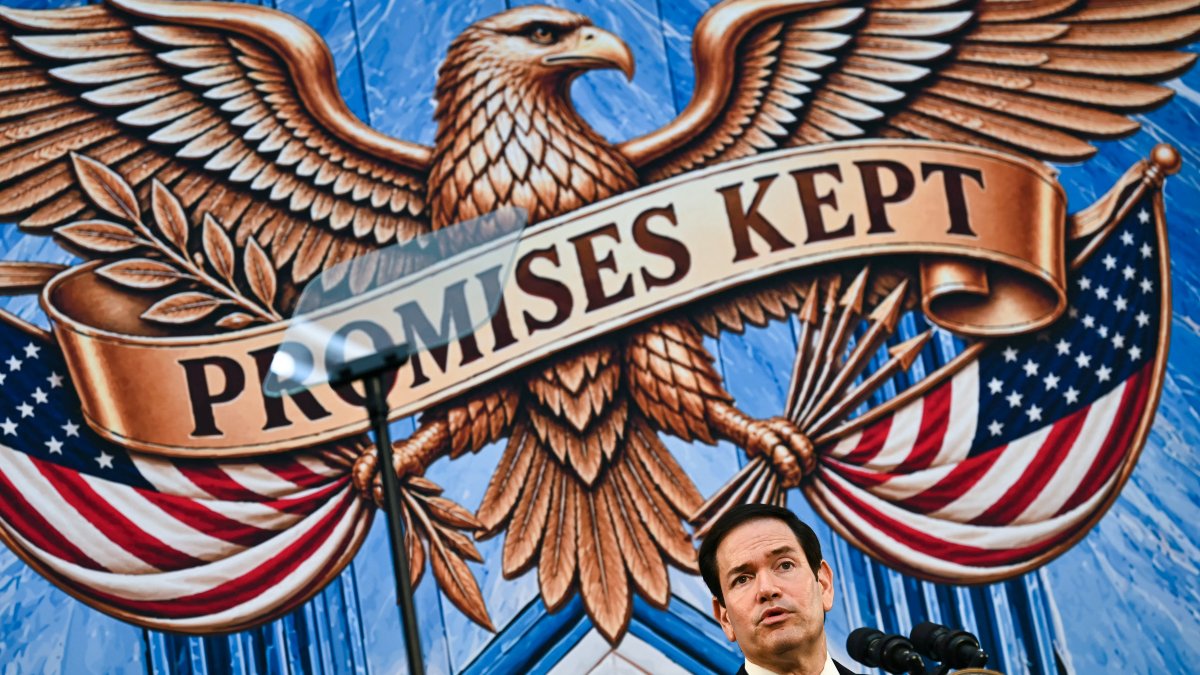
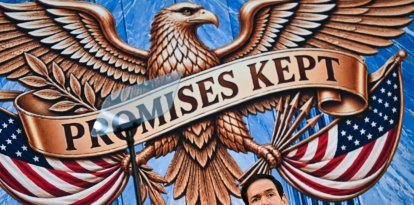
Secretary Marco Rubio, this Thursday, September 3.

The State Department announced on Thursday the implementation of new sanctions against Cuban companies that mine nickel deposits, military enterprises engaged in weapons research, and three high-ranking military officials. In a statement, the agency noted that the goal is "to put an end to the Cuban regime's malign activities, both in Cuba and throughout our hemisphere."
In a subsequent post on X, Secretary of State, Marco Rubio, justified the sanctions by arguing that the island's proximity to the U.S. coast makes it a threat to national security: "Communist Cuba is a corrupt failed state and a persistent threat to US national security, sitting less than 100 miles from American shores. "
Furthermore, Rubio lashed out at the communist leaders in Havana, who allow their people to suffer, and warned that he will continue to impose sanctions on anyone who supports the Castro regime: "While ordinary Cubans endure blackouts, food shortages, and brutality, regime elites continue to hoard the island’s resources for themselves and Cuba’s repressive security apparatus. The United States will keep exposing and sanctioning those who sustain this system."
"Cuba's nickel sector, a critical source of revenue" for the Castro regime
The new sanctions target the companies Serconi, Ceproniquel, Cediniq, and Pinares —all of which are linked to nickel mining and processing—as well as four companies that build simulators, electronic components, and development software in general for the Cuban armed forces, and three officers involved in these activities:
The sanctioned military officers are Joaquín Francisco Cancio Monteagudo, a senior colonel in the FAR and director general of SIMPRO; Dioglis Pedrera Argüello, a captain in the FAR and director general of CIDNAV; and Julio Hurtado Betancourt, a first colonel in the FAR and director general of CIDAI.
As the DOJ explained, "Cuba's nickel sector is a critical source of revenue for the Cuban government, as it generates hard currency from the exploitation of its natural resources, which props up the regime rather than benefiting the Cuban people."
Total ban on access to the U.S. financial system
The sanctions entail a total ban on access to the U.S. financial system, as well as to U.S. companies and citizens.
On January 29, Trump declared a new "national emergency" regarding Cuba, which he considers a threat to U.S. security, despite the fact that the island is experiencing a severe economic crisis. The following month, the United States imposed an oil embargo and launched a long series of measures aimed at economic strangulation.
Virtually the entire leadership of the Cuban regime is subject to sanctions, as are all key government and business sectors, from intelligence services to tourism.
The sole surviving historic leader of the 1959 Revolution, Raúl Castro, 95, has been formally indicted in U.S. courts for the deaths of four Americans in the downing of two light aircraft belonging to an anti-Castro group in 1996. Raúl Castro was the defense minister at the time. Members of his family have also been sanctioned.
LATEST