Symbolic funerals in Nepal as the death toll rises to 1,130 and 4,462 remain missing due to the floods
The international scope of the disaster is reflected in the number of foreigners affected: more than 800 people of over 30 nationalities are among the missing, 583 in Nepal and 261 in China.
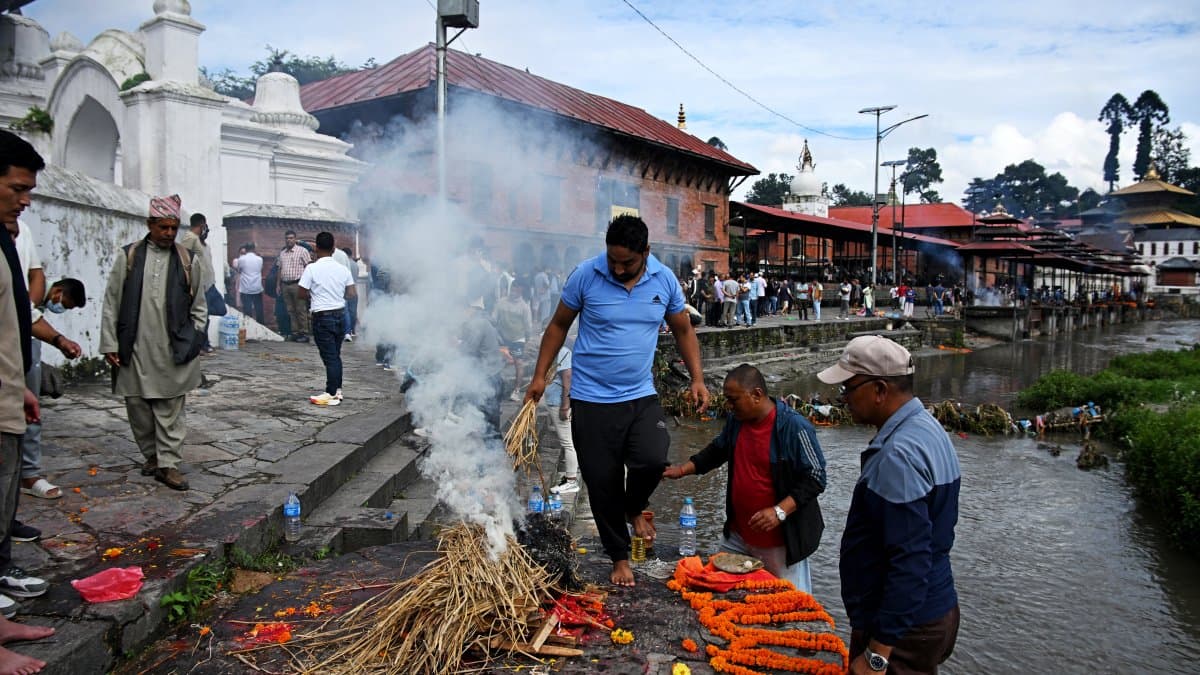

Nepalese families held symbolic funerals on Wednesday for their missing loved ones, one week after devastating flash floods swept through villages and homes in the Himalayan region, while rescue teams recovered more than 1,100 bodies and continued searching for thousands of missing people.
Meanwhile, in the capital, Kathmandu, hundreds of people lined up to donate DNA samples in an effort to identify their loved ones among the hundreds of bodies recovered, as overcrowded morgues have already forced authorities to bury some unidentified bodies.
The death toll continues to rise
The provisional toll now stands at 1,130 dead and 4,462 missing in Nepal and China. In Nepal alone, 1,114 bodies have been recovered, and 3,916 people are missing, while on the Chinese side, in the Tibet region, authorities report 16 dead and 546 missing. In addition, at least 17 bodies have been swept by rivers into India.
The UN estimates that damage to buildings alone amounts to $158 million, but warns that total losses, including roads, bridges, farmland, and humanitarian costs, will be much higher, while Kathmandu warns that reconstruction could cost billions.
More than 800 foreigners among the missing
The international scope of the disaster is reflected in the numbers of foreigners affected: more than 800 people of over 30 nationalities are among the missing, 583 in Nepal and 261 in China, according to data compiled by AFP. Among them are tourists who had traveled to hike in the Himalayas and Hindu pilgrims who were heading to the sacred Mount Kailash in Tibet.
In China, where foreign journalists have restricted access to Tibet and the authorities maintain strict control over information, Tibetan advocacy groups in exile have questioned the official account of the disaster's scale, although Beijing insists that the "dissemination of information has been open, transparent, and timely."
Rescue efforts under extreme conditions
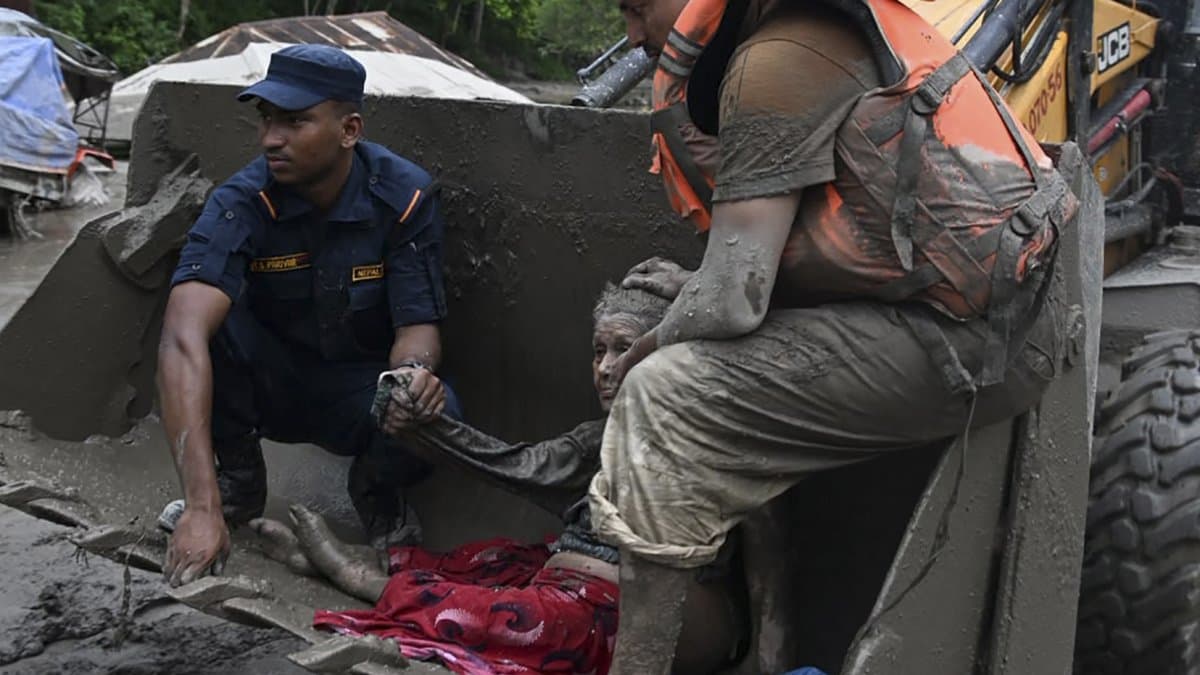
Rescue teams continue to search for survivors amid a landscape transformed by mud and debris, including work in the tunnels of several hydroelectric power plants buried under the mud. So far, only bodies have been recovered from those tunnels, but crews continue to dig, drill and blast through rock to reach trapped areas.
Nepal's Foreign Minister, Shisir Khanal, said he still hopes that some of the missing may be alive. "Miracles happen," he told AFP. "At this point, I don't want to give up hope entirely."
In Rasuwa, government official Dhruba Prasad Adhikari described the situation as an "unimaginable catastrophe" and acknowledged that "this flood is far greater than anything we could have imagined," in remarks to an AFP reporter who reached the area after more than 12 hours of travel on muddy and poorly maintained roads.
🛠 Do you think there is an error in this article?
Recommendations





LATEST