Cuba: Up to 13 years in prison for group of protesters, including six minors
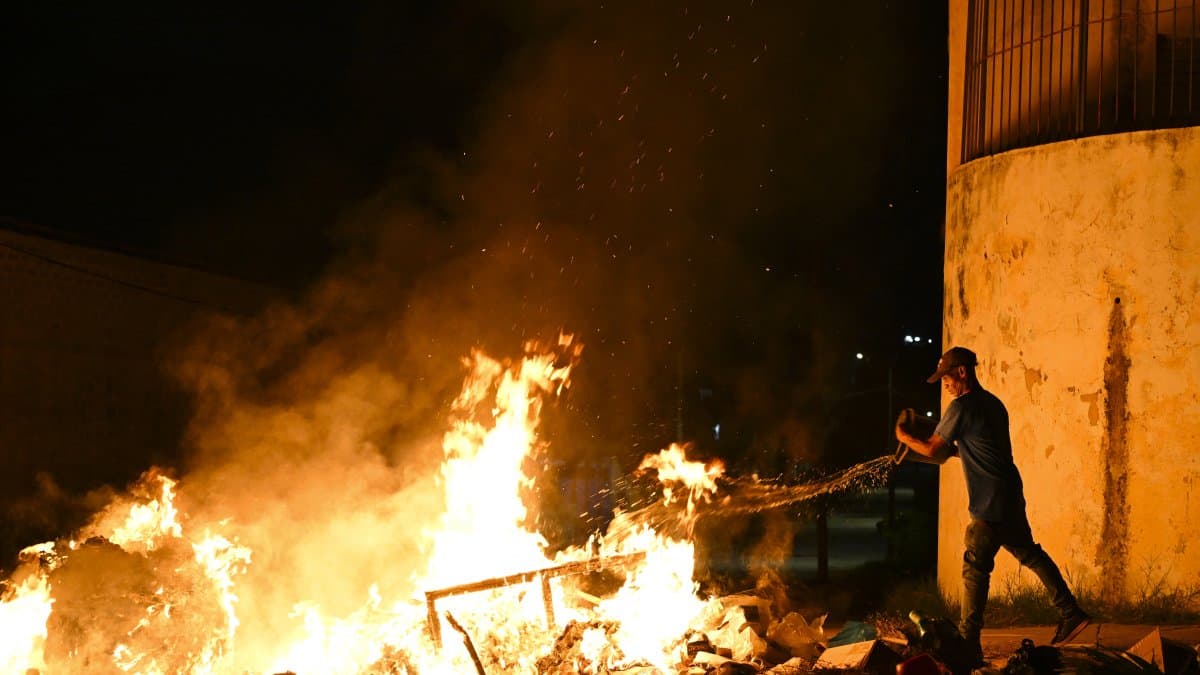
The incidents for which the defendants are charged occurred in the early morning hours of March 14, when a group of people outraged by prolonged power outages and food shortages stormed the party headquarters in the municipality of Morón, 285 miles east of Havana.

The Cuban regime's prosecution sought sentences of up to 13 years in prison for the 18 protesters accused of "storming" a headquarters of the Communist Party (PCC) —the only one permitted on the island—months earlier, according to a court document obtained by AFP on Wednesday.
The incident occurred in the early morning hours of March 14 when a group of people outraged by the prolonged power outages and the food shortages stormed the party headquarters in the municipality of Morón, 285 miles east of Havana.
The 18 defendants, including six minors, will be prosecuted for the crime of "sedition." The prosecution is seeking sentences ranging from five to thirteen years in prison, the agency reported.
In April, Amnesty International described the detention of minors in connection with these events as "worrisome."
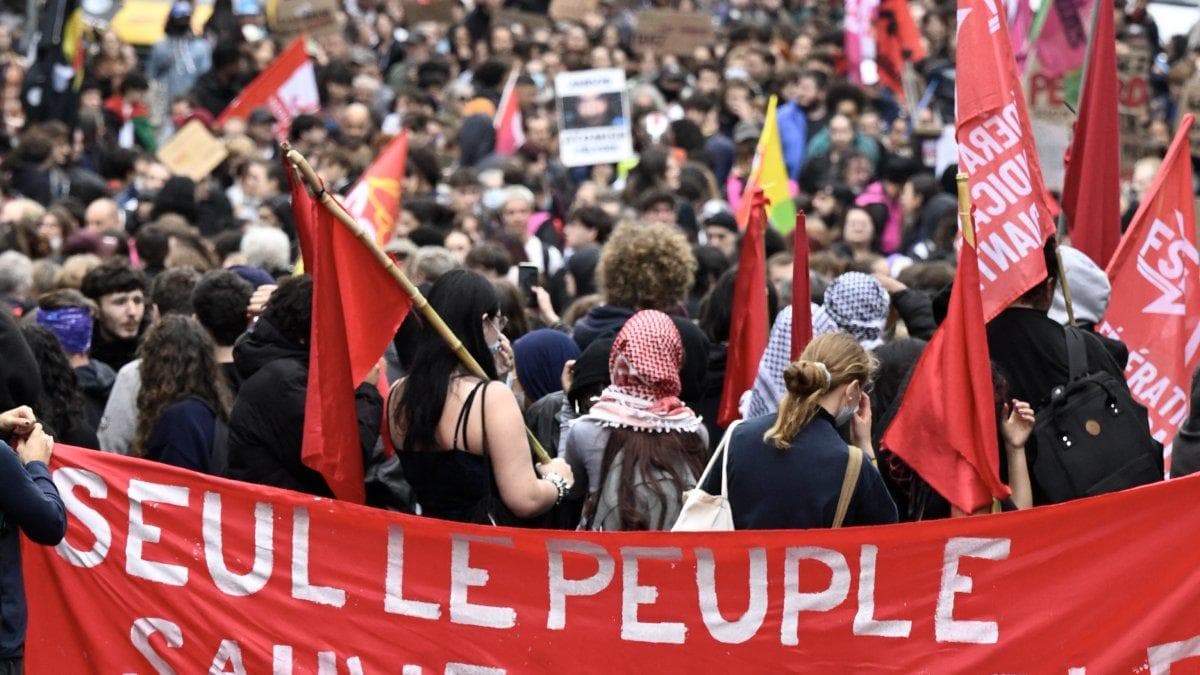
Videos shared on social media showed the storming of the institution, the burning of property in public streets, and demonstrations by residents calling for "freedom" while banging on pots and pans. Over the past year, hundreds of such protests have been reported across the country, reflecting the unsustainable situation in which millions of Cubans live.
Two residents of Morón interviewed by phone by AFP on the day of the events, who asked to remain anonymous, stated that the protest was massive .
The island, with a population of 9.4 million, is undergoing a deep economic crisis marked by shortages of food, medicine and fuel, which has worsened since January following the suspension of fuel shipments from Venezuela, after the latter's dictator, Nicolás Maduro, was transferred to the U.S. in a military operation organized by Washington.

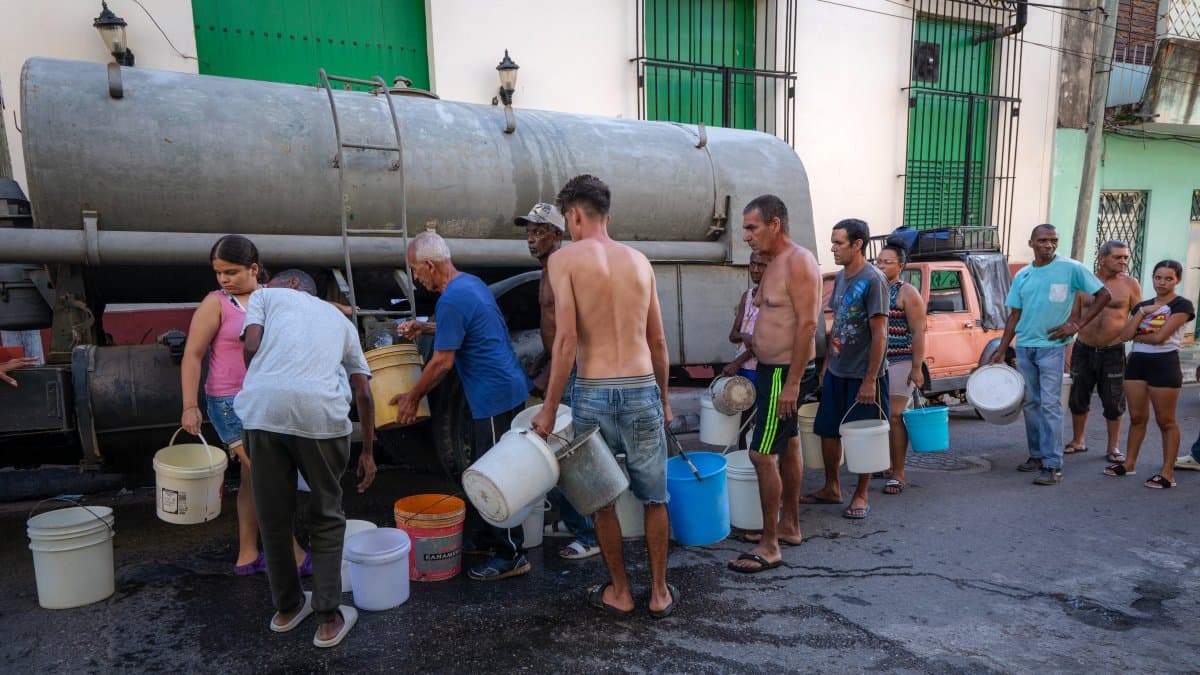
With power outages lasting up to 90 consecutive hours, which also hinder access to drinking water, many Cubans are publicly expressing their discontent through nighttime protests, which in most cases consist of banging on pots and pans in the streets or from inside their homes.
In 2024, a court in central Cuba sentenced six protesters to up to six years in prison for a protest against the lack of electricity, according to the case file, to which AFP had access.
Power outages and food shortages also sparked the anti-government demonstrations in July 2021, the largest recorded in Cuba since Castro came to power in 1959.
🛠 Do you think there is an error in this article?
Recommendations


LATEST