UK deploys fighter jets to defend Saudi Arabia as Iranian regime claims it is tightening control over Strait of Hormuz
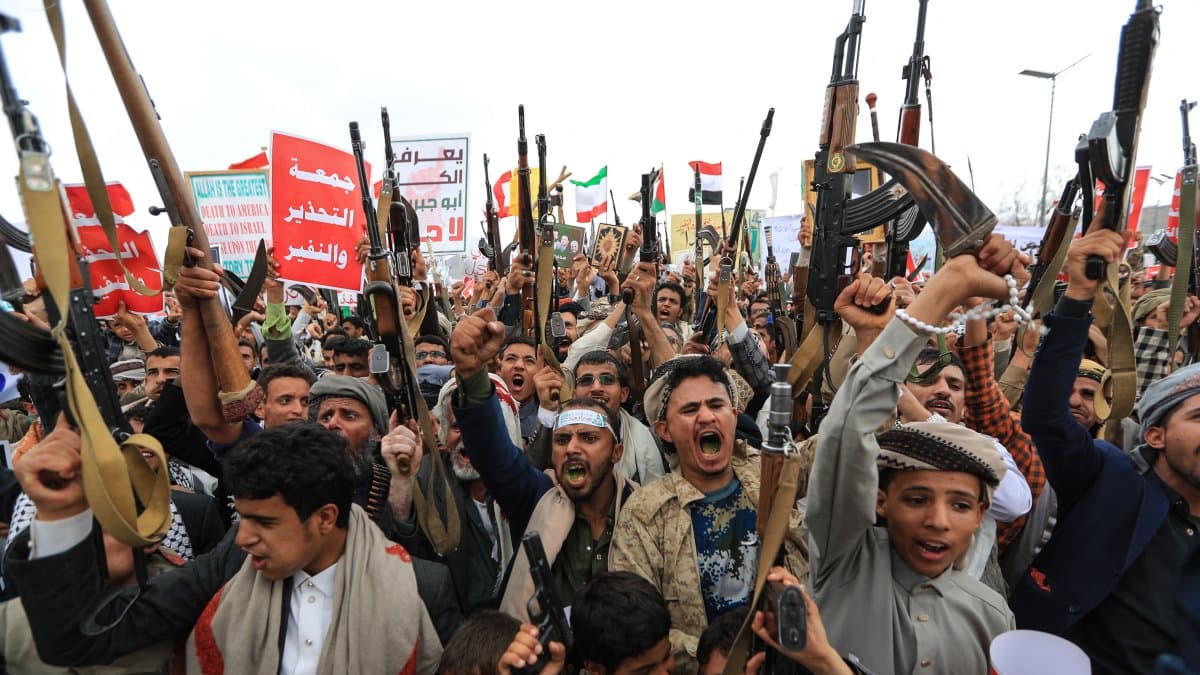
The British Ministry of Defense confirmed that the Typhoons will carry out "air defense" missions to protect Saudi cities, civilians and critical infrastructure from missiles and drones launched by the Houthis, allies of Iran.
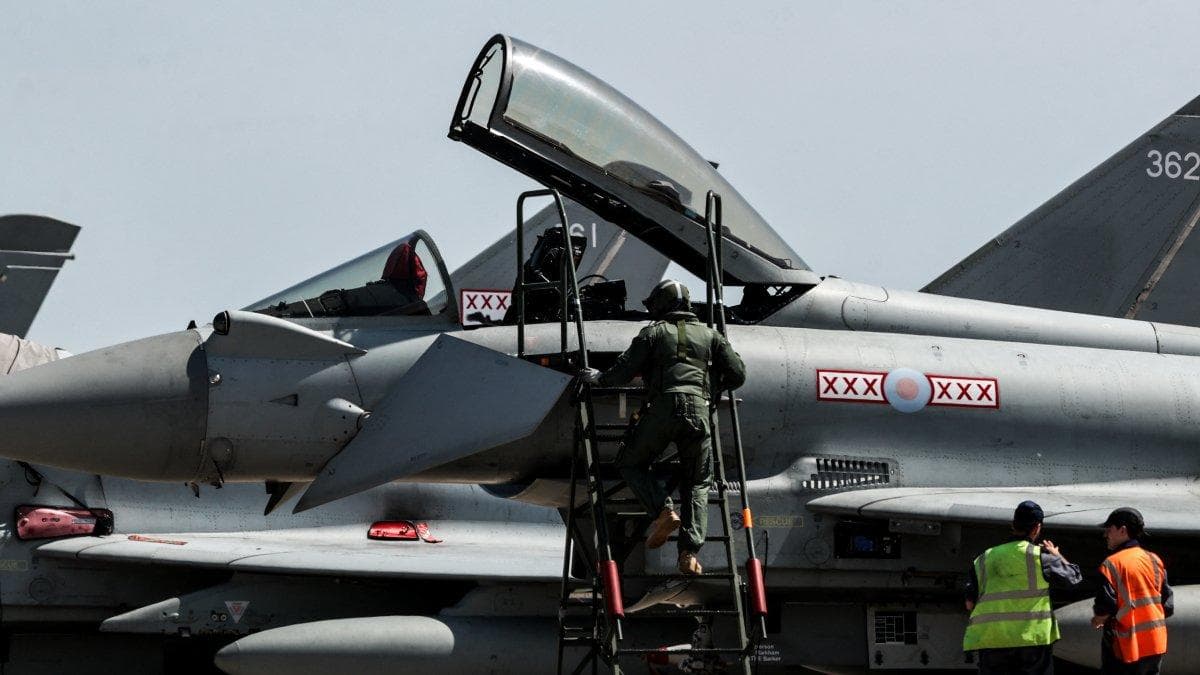

The United Kingdom will send Royal Air Force Typhoon fighter jets to carry out defensive missions in Saudi Arabia, in response to the escalation of Houthi attacks on the kingdom's cities, airports and energy infrastructure.
According to AFP, British support will also include an A400M aircraft to transport defense equipment within Saudi Arabia and military advisers for the general staff. London insists that its aircraft will not attack Houthi positions in Yemen.
The decision comes as the Iranian regime claims to have detained two oil tankers with naval mines in the Strait of Hormuz and as Moscow and Tehran announce unprecedented cooperation.
London expands support for Riyadh
The British Ministry of Defense confirmed that the Typhoons will carry out "air defense" missions to protect Saudi cities, civilians and critical infrastructure from missiles and drones launched by the Houthis, allies of Iran.
"The continuing attacks from the Houthis on our ally Saudi Arabia are absolutely despicable," said Defense Minister Wes Streeting. "The targeting of the airport in Riyadh in particular shows the lengths the Houthis are going to escalate the situation in the region."
London had already sent air defense equipment and in-flight refueling aircraft to support Saudi defensive operations. However, the deployment of fighter jets represents a significant expansion beyond the logistical and refueling support announced in September.
Politics
US embassy urges 'heightened vigilance' in Middle East amid escalating Houthi attacks
Williams Perdomo
Iran blocks Strait of Hormuz
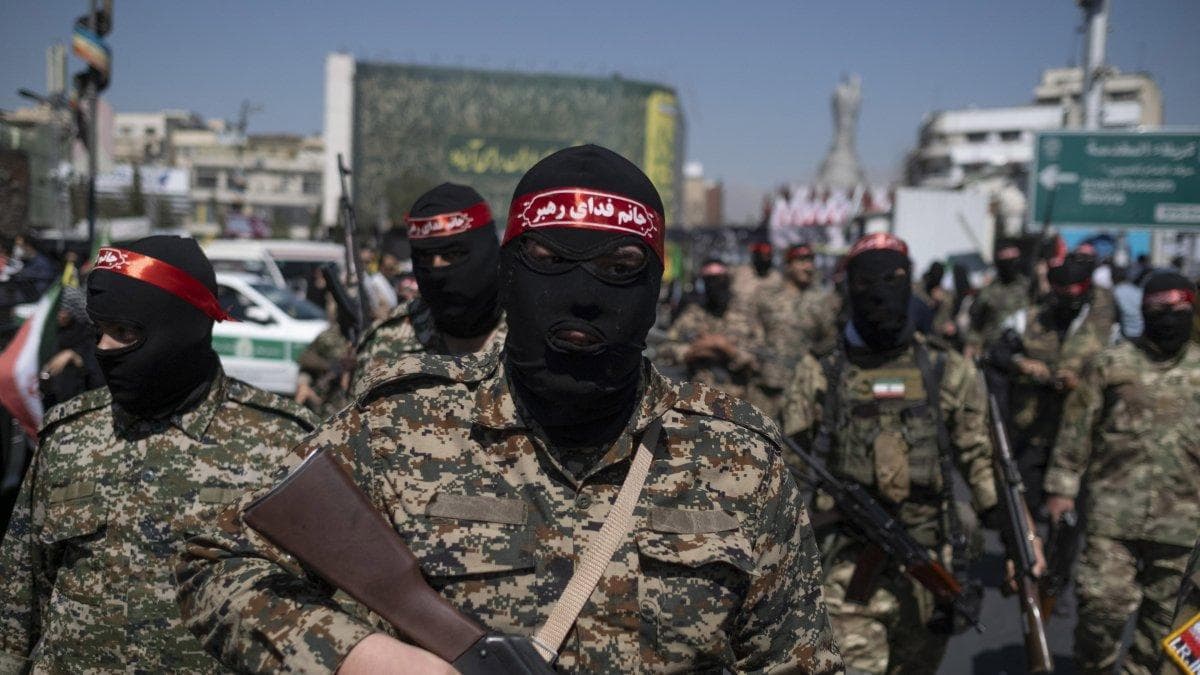
The Iranian Revolutionary Guard Corps stated on Tuesday that two oil tankers caught fire and were detained after naval mines planted along a route in the southern part of the Strait of Hormuz exploded.
"Two oil tankers that were violating regulations were set ablaze and detained due to the explosion of mines laid by the brave sailors of the Islamic Revolutionary Guard Corps Navy at an illegal crossing point in the southern part of the Strait of Hormuz," the Guard stated in a press release reported by AFP and published on its official website, Sepah News.
Iran requires authorization to cross the strait, through which nearly one-fifth of the world's oil used to flow in peacetime. Washington has responded with a naval counter-blockade of Iranian ports, while attempting to escort ships through the waterway.
The Revolutionary Guard Corps also claimed to have shot down a U.S. MQ-9 Reaper drone. Attacks on ships have intensified in recent days, in a direct standoff between the Iranian regime and Washington over control of the sea lane.
Russia moves closer to Tehran
Iranian Foreign Minister Abbas Araghchi stated on Tuesday after meeting with his Russian counterpart, Sergey Lavrov, that Tehran and the Kremlin have never worked so closely together. "Never in our history have Iran and Russia worked as closely as now," wrote Araghchi on X.
Lavrov's visit—the first since the conflict erupted in February—addressed Ukraine, Lebanon, Palestine, Yemen, and the expansion of economic and nuclear cooperation. Moscow is positioning itself as a mediator to prevent another large-scale war, although its close ties with Tehran complicate any negotiations with Washington.
The price of WTI surges more than 5%
North Sea Brent exceeded $110 at times during the session and settled near $106–$111, amid fears of a disruption in supplies from the Gulf.
The Strait of Hormuz is one of the world's most important energy corridors. Any partial blockade or recurring attacks on oil tankers could drive up fuel prices, fuel inflation in Europe, and complicate Western governments' economic response to a crisis that is already affecting security, trade and markets.
🛠 Do you think there is an error in this article?
Recommendations



LATEST