France imposes new curfews to regain control after the worst wave of unrest in years
Lecornu stated that the restrictions in place since Monday "have helped calm the situation at night" and that new curfews will be decided on Tuesday "where the situation requires it." The measures will be implemented by prefects in coordination with mayors.
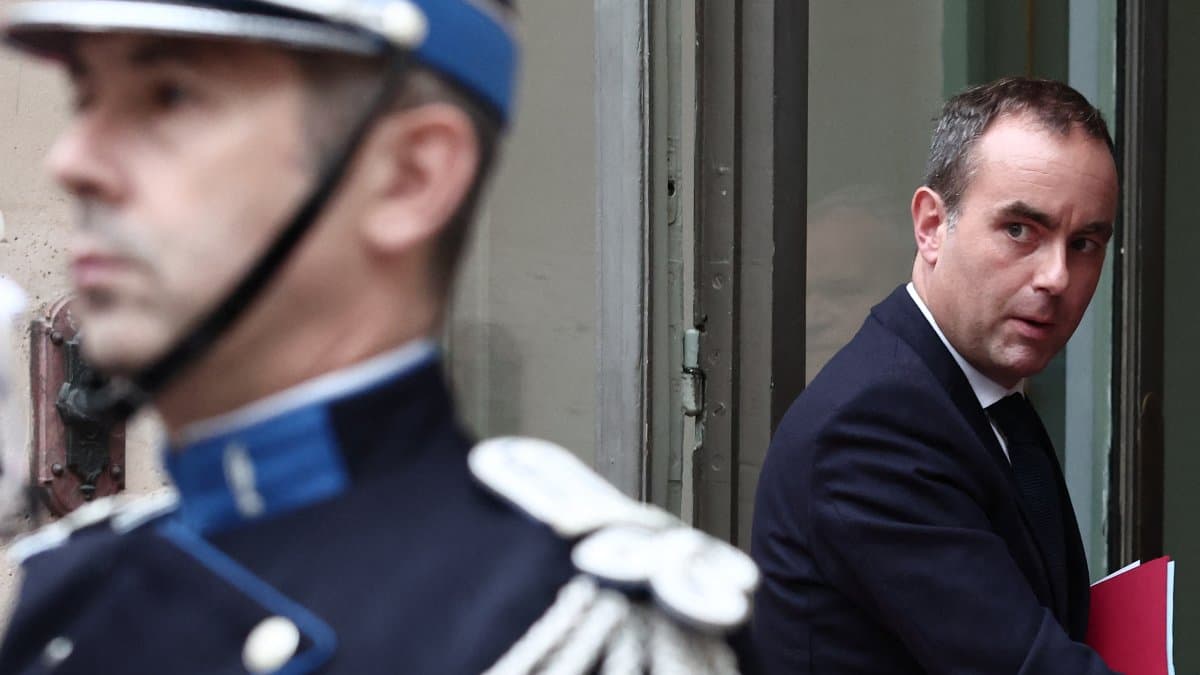

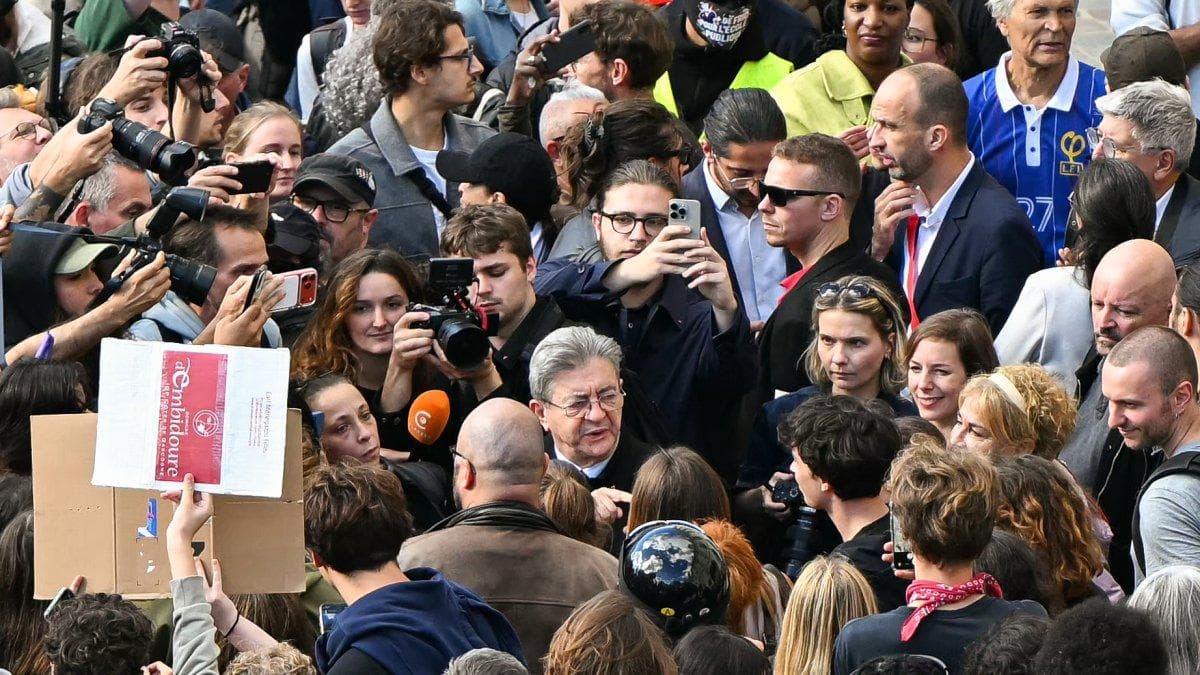
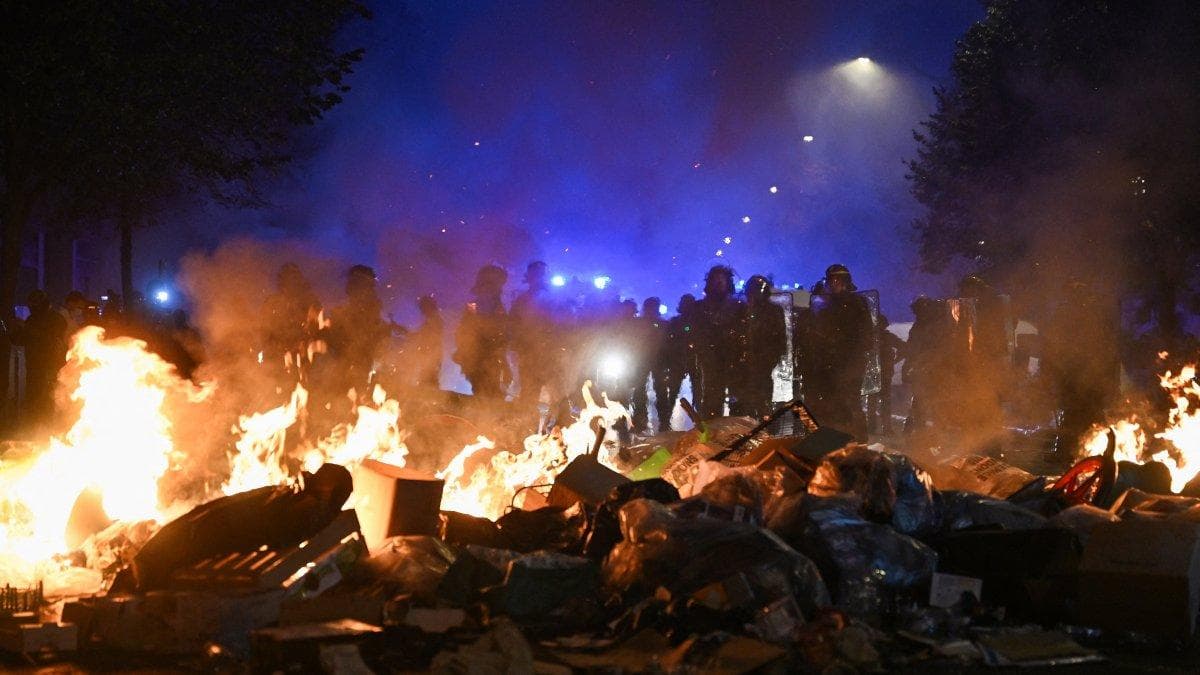
France will extend curfews where the situation demands it, Prime Minister Sébastien Lecornu announced on Tuesday, after last Saturday's protests against the cost of living led to looting, fires and clashes with police in several cities.
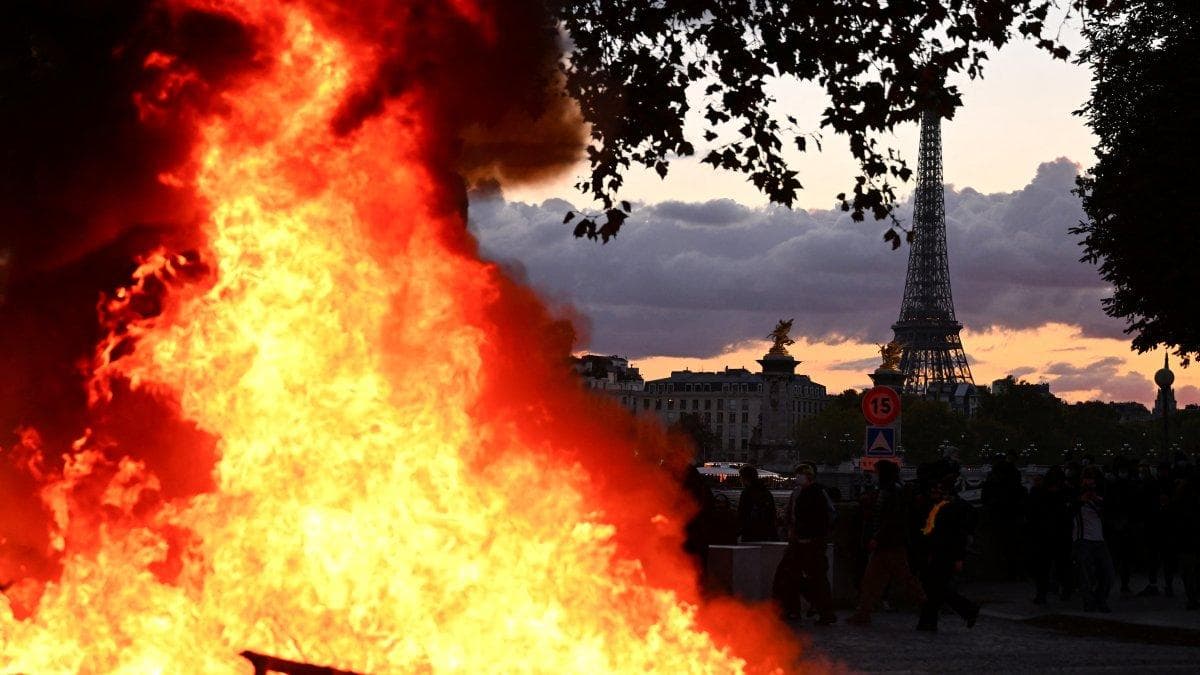
The government is seeking to restore order following a day that left more than 2,500 people in police custody, 67 arrested and nearly a thousand officers injured. Images of looted stores and burning public buildings spread around the world and prompted the United States, China and Germany to issue travel warnings for their citizens in France.
Localized curfews
Lecornu stated that the restrictions in place since Monday "have helped calm the night" and that new curfews will be decided on Tuesday "where the situation requires it." The measures will be adopted by prefects in coordination with mayors.
Paris, Bordeaux and Nice had already imposed partial restrictions on Monday. In Marseille, authorities are preparing a curfew specifically for minors in several districts starting Tuesday and lasting at least through Friday.
In the capital, a helicopter flew over Place de la République in the early morning hours, one of the epicenters of the unrest, to monitor compliance with the restrictions.
The fire in Limoges, a symbol of the crisis
The destruction of the historic Limoges City Hall has become a symbol of the violence. The 19th-century building was virtually razed to the ground by an arson fire during Saturday's riots.
On Tuesday, security forces arrested a 40-year-old man allegedly linked to the far-left in connection with the fire. According to AFP, the investigation was assigned to the counterterrorism unit. The suspect has a history of violence against public officials and was identified as a security risk.
The government has accused far-left groups of attempting to "orchestrate deep unrest throughout the country" ahead of the 2027 presidential election, although Lecornu has not presented any public evidence directly linking La France Insoumise to the violent acts.
Economic damage and political pressure
The crisis comes at a delicate time for France, six months before the presidential election. Marine Le Pen described the riots as a "warning" revealing a "deep crisis" of authority, while investors have been selling French debt in recent weeks amid doubts about the government's ability to rein in spending.
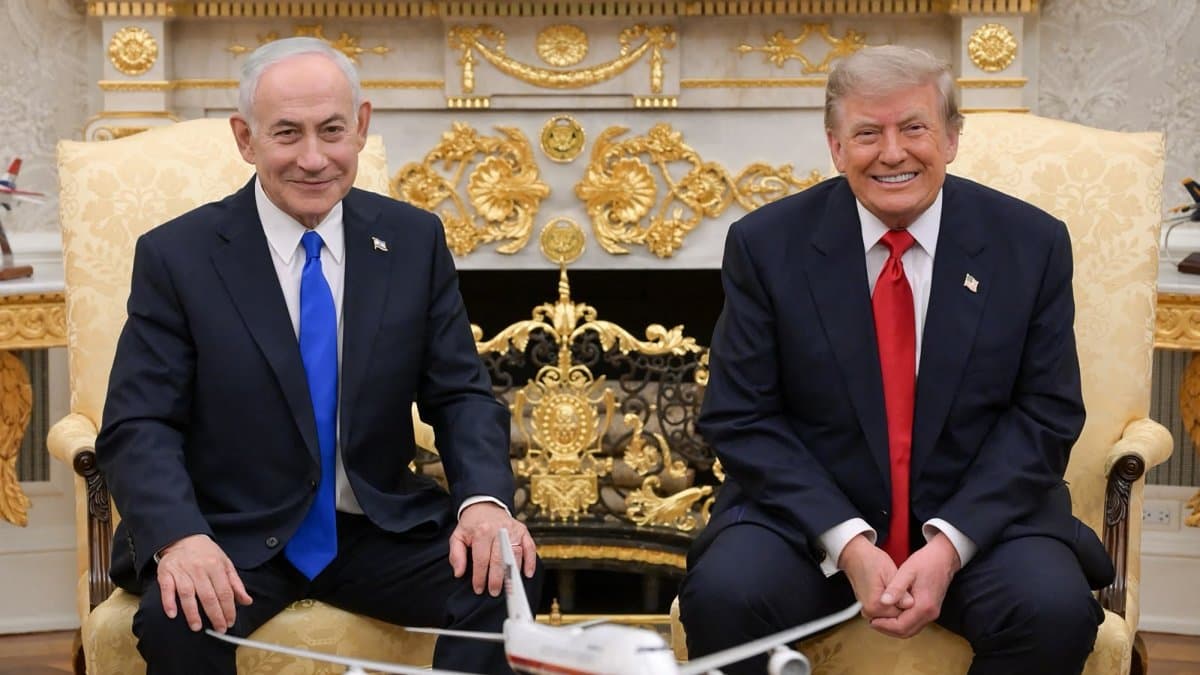
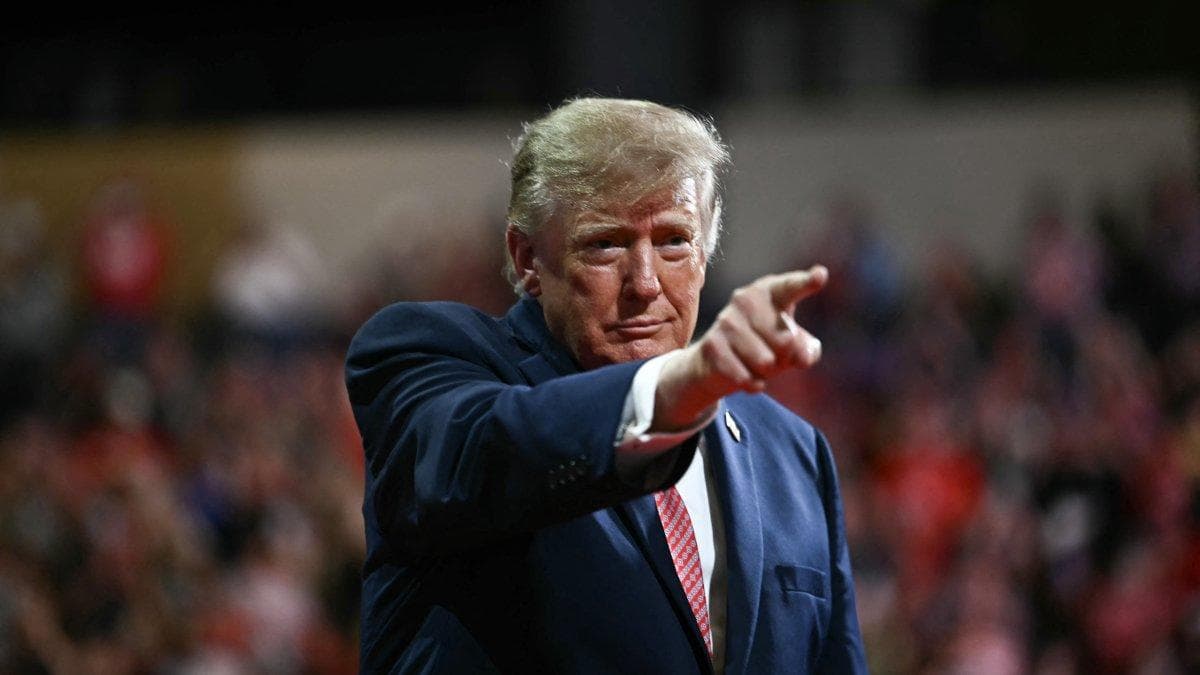
U.S. President Donald Trump seized on the crisis to reinforce his anti-immigration rhetoric. "What's happening in France has to do with immigration, not with schools, not with anything else," he said in Washington. "It's immigration, and I told President Emmanuel Macron: Close your borders."
French authorities have not attributed the riots to immigration. Macron has distinguished between the legitimate demands of those protesting peacefully and the actions of violent groups that, according to the government, seek to sow chaos.
🛠 Do you think there is an error in this article?
Recommendations

LATEST