Will It Work This Time? Donald Trump Reimposes the Naval Blockade in the Strait of Hormuz and Launches a New Wave of Attacks Against Iran
The announcement came hours after U.S. forces launched a new round of attacks against Iranian targets.
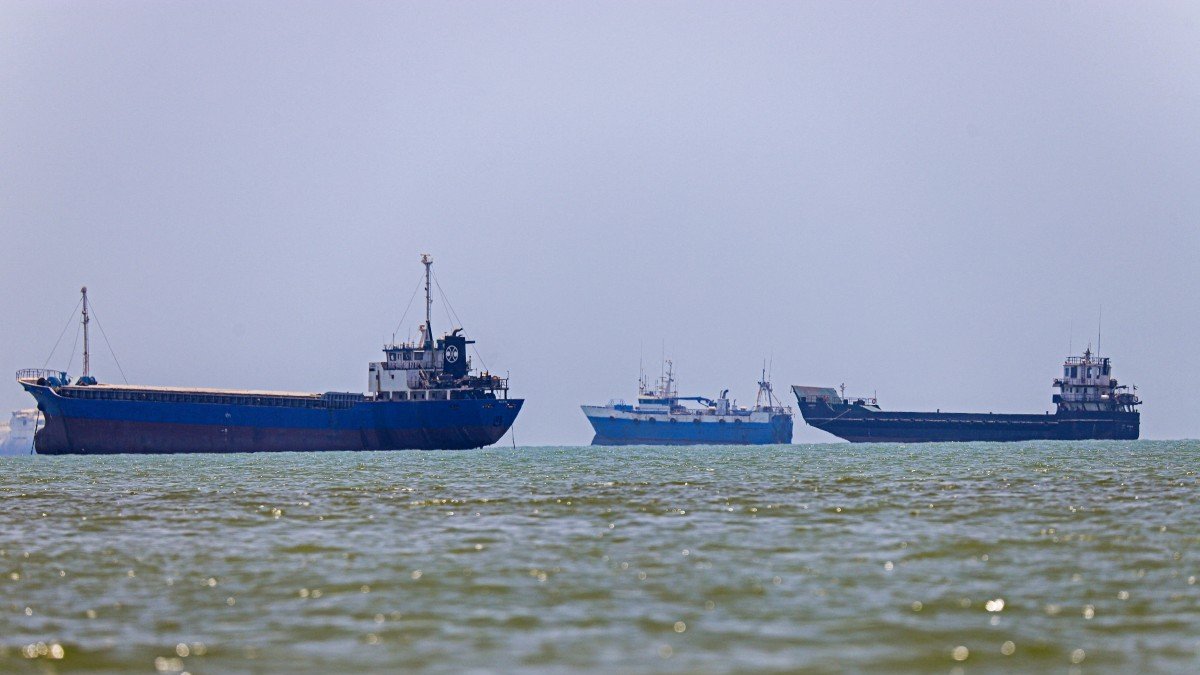
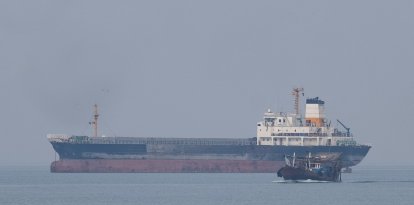
The Strait of Hormuz.
U.S. Central Command (CENTCOM) announced on Tuesday that the U.S. military officially reimposed the naval blockade in the Strait of Hormuz late Tuesday night, preventing ships from entering or leaving Iranian ports, while allowing commercial traffic not related to Iran to continue using this strategic sea lane. Hours later, the military agency announced that U.S. forces also carried out a new round of strikes against Iranian military targets on Tuesday night, striking dozens of facilities located near the Strait of Hormuz and along the Iranian coast, just a few hours after reimposing the naval blockade against ships traveling to or from Iranian ports. The command stated that the offensive concluded at 10:00 p.m. (Eastern Time) after seven hours.
"U.S. Central Command (CENTCOM) completed an additional round of strikes against Iran at 10 p.m. ET, July 14, hitting dozens of military targets near the Strait of Hormuz and Iranian coastal areas. U.S. fighter aircraft, drones, and naval vessels launched precision munitions against Iranian missile and drone sites, naval capabilities, and coastal defense systems during the seven-hour wave to further degrade Iran's ability to threaten commercial shipping and civilian crews. The strikes took place the same day U.S. forces resumed the naval blockade against vessels transiting to or from Iranian ports and coastal areas. The blockade went into effect at 4 p.m. ET today. U.S. forces remain vigilant, lethal, and prepared to execute operations directed by the Commander in Chief," CENTCOM stated.
In an interview with radio host Hugh Hewitt, President Donald Trump announced on Monday that the offensive would continue on Tuesday and warned that the U.S. military would "eliminate" Pickaxe Mountain, a deeply buried Iranian nuclear facility, located just over a kilometer and a half south of the Natanz uranium enrichment site. This is a target that had not been attacked since the start of the war on February 28.
In its statement, the military highlighted the significant U.S. military presence in the region, noting that more than 20 U.S. Navy warships and hundreds of military aircraft remain deployed in the Middle East, adding that "American forces remain vigilant, lethal, and ready."
Trump had decided last week to end the ceasefire reached in June, citing the Iranian regime's repeated attacks on commercial vessels in the strait, through which nearly 20% of the world's oil and gas passes. Since then, the United States has resumed strikes against missile systems, air defenses, and vessels belonging to Iran's Revolutionary Guard, including, for the first time, maritime attack drones.
LATEST