OPINION
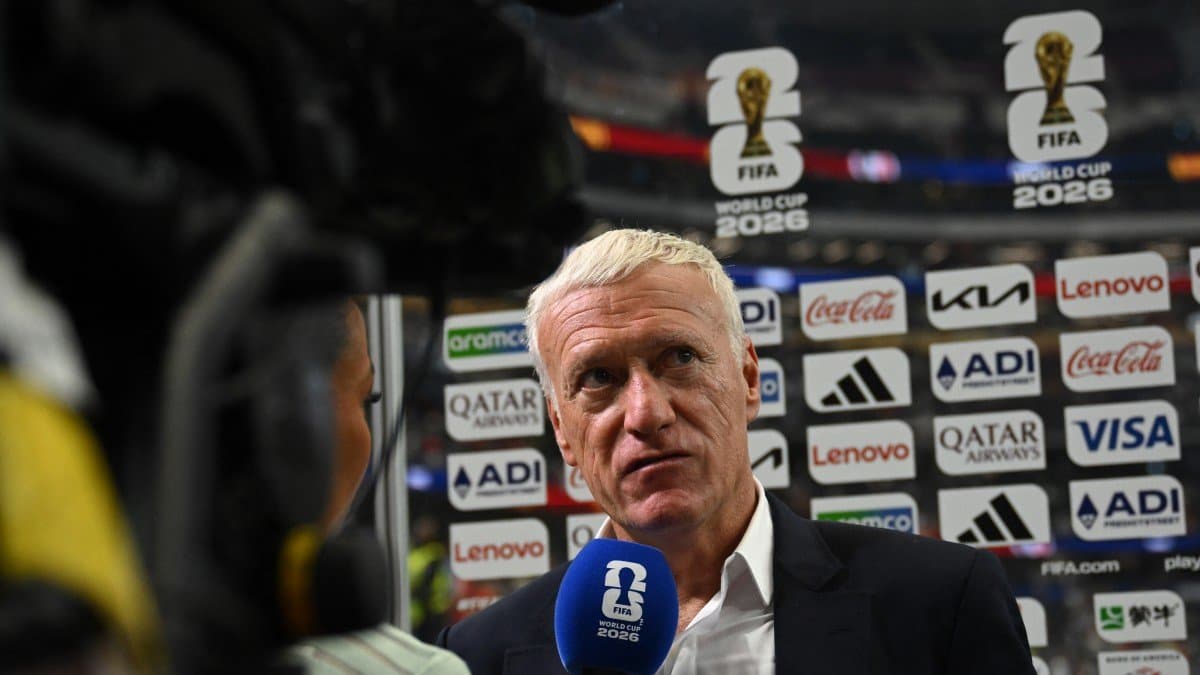
France, defeated and lacking self-criticism: Didier Deschamps blames the referees, and some French players undermine spain
However, French captain Kylian Mbappé did acknowledge the Spanish team.

France, as its symbolic national emblem, the rooster, suggests, reached the World Cup semifinals with its chest puffed out. Proud. Indomitable. However, the Spanish team, led by Rodri, Dani Olmo, Laporte, Cubarsí, Fabián Ruiz, head coach Luis De La Fuente, and so many others, taught a lesson in soccer on July 14 in Arlington, Texas, soundly defeating the tournament's former favorite.
In fact, Spain's performance was such that France finished the match with exactly the same number of clear scoring chances that Morocco and Paraguay had created against them during the quarterfinals and round of 16, respectively: zero. Neither Mbappé, nor Olise, nor Dembélé, Barcola, or Doué had a single scoring chance that posed a real threat to Unai Simón's goal, which was magnificently defended by him and an impenetrable defensive line, composed of Pedro Porro (scorer of the 2-0 goal), the young Cubarsí, the veteran Laporte, and the surprising Cucurella.
For France, which had reached the semifinals and was praised by the sports press, the French public and even the betting markets. Spain's victory, given how the game unfolded, was a blow to their pride. And it sparked some rather baffling explanations from the key players, including head coach Didier Deschamps, who, in addition to acknowledging his players' mistakes, lashed out on two separate occasions at the match's head referee, Salvadoran Iván Barton.
"The players are devastated," Didier Deschamps said in comments reported by M6 after the match. "But we have to be logical: we were outplayed technically. It's our fault. But I'm going to ask a question: Does the referee have the necessary caliber to officiate a semifinal? I'm not going to answer that. There were quite a few situations… But the main reason is that we fell short, with some technical errors and passes that could have created scoring chances. This is the elite level, even if it hurts. We're going to play for third place. I don't want to throw away everything we've accomplished, but in this match, Spain showed something more."
Although Deschamps toned down his criticism at one point, he made his dissatisfaction with the referee clear again in a second statement: "If I say anything, they'll say I'm a whiner because we lost. But I'll ask you this: Does the referee have the necessary caliber to officiate a semifinal? There's the penalty, but it's not just that; that's on top of everything else. I have nothing against tonight's referee, but ask yourselves that question."
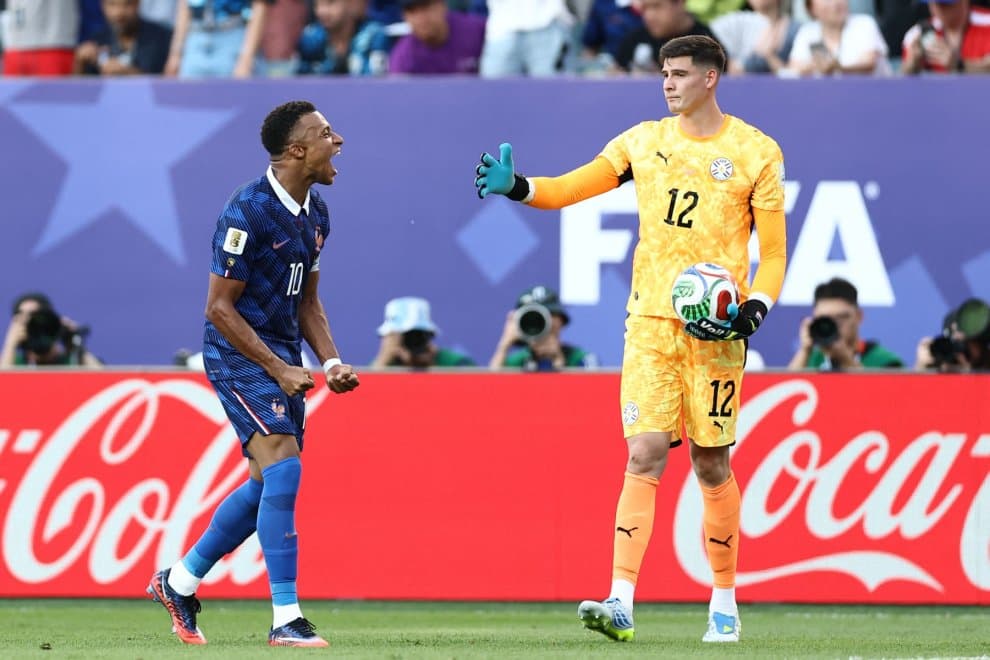
Deschamps' comments, in fact, reflect how the match unfolded: France, outplayed and lacking the same footballing quality as Spain in midfield, was late to most challenges, occasionally delivering hard, ill-timed tackles and earning yellow cards. In fact, Michael Olise narrowly avoided a red card in the first half after a sliding tackle directly at the ankle of Rodri Hernández, a tackle that the referee did not deem worthy of a red card. However, some analysts believe it should have been. The penalty, in fact, is part of that French confusion: Lucas Digne, the French left back, went up for a high ball with a volley, and Lamine Yamal, who was very alert at that moment, jumped up and touched the ball first. Digne, far from the ball, ended up hitting the Spanish winger with a volley in midair.
But France, far from acknowledging its poor tactical setup and technical errors during the match, focused on complaining to the referee while Spain moved the ball around and the trio of Rodri, Fabián, and Olmo tore apart the French midfield, which never managed to gain a foothold. By the time France tried to react—with Deschamps bringing Koné and Doué onto the field—Spain already had one foot in the semifinals thanks to Pedro Porro's 2-0 goal.
However, Deschamps' comments weren't the only ones that exposed the French team's lack of humility. While the French coach acknowledged Spain's performance—and also criticized his own players—the Manchester City player, Rayan Cherki, chose to direct his criticism inward, largely downplaying the Spanish team's performance.
"Honestly, I don't know. I don't know what to tell you. They were better than us in every aspect of the game. I think they wanted it more than we did. It's a shame because I'm convinced we're still a better team than they are. But this afternoon they were better than us," Cherki said before taking a shot. "I don't think it was because of the opponent. They weren't applying overwhelming pressure; it wasn't full-field pressing. There was time to play. I think we mismanaged our emotions."
Finally, he added, "It's a huge disappointment. Today we lost to ourselves. We didn't lose to the referee. We didn't lose to Spain. Everyone knows we struck fear into everyone. The only ones capable of eliminating us were ourselves."
Cherki's words, though self-critical, reveal the high level France was at before the game against Spain, but they overlook the most recent history between the two teams, as Spain had already defeated France in the Euro (2-1) and in the Nations League (5-4), demonstrating superior play in both matches, much like today. Furthermore, it ignores the very words of Lamine Yamal in the days leading up to the semifinal: "I haven't been misinterpreted. They asked me if I was afraid of France, and I said obviously not. We're the European champions; we're not afraid of any match."
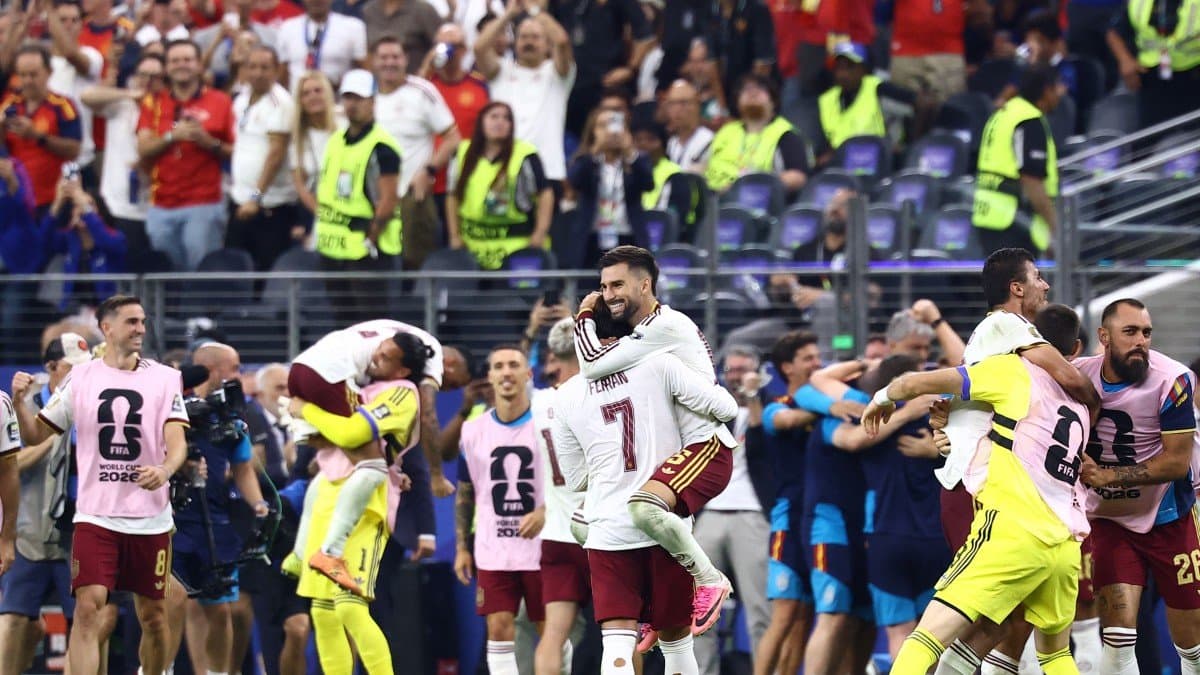
Yamal said this on two occasions, making it clear that Spain would take the field to face France as equals. Then, on the field, La Furia Roja proved it against the French, who were unable to find their flow, defend effectively, or disrupt the rhythm of short passes, turns, and link-up play displayed by Luis De La Fuente's team.
Cherki was also one of the players who harshly criticized Paraguay and the refereeing following that tough round-of-16 match, France's second-worst performance of the tournament. That afternoon, the Albirroja stood their ground against Deschamps' team, which had to dig deep to win a match that was decided by a penalty kick. That day, the French players were constantly at odds with the referee, who came under harsh criticism from L'Équipe and was singled out by the players after the match. Some of them also questioned Paraguay's play, which, while it didn't create many scoring chances, used its defensive discipline and tenacity to even the match against what was the best offense in the tournament.
But beyond the controversy sparked by Cherki and Deschamps after the match against Spain, there was one French player who did acknowledge Spain's performance, refrained from commenting on the refereeing, and offered a tactical analysis of the match: captain Kylian Mbappé.
"I don't think we played the game we wanted to play. Not tactically, not technically, and not in terms of the overall level we showed. And when you don't do what you're supposed to do in a World Cup semifinal, you don't win. Early on, we were always outnumbered three to two in midfield. And against Spain, that's a problem. Fabián Ruiz and Rodri had plenty of time to play. There was a lack of communication in our pressing. I think against Spain we needed to play man-to-man and force them to run with us. Even when we won the ball back high up the field, our first touches weren't up to the standard of a World Cup semifinal. And when you add all those things up, the result is a loss. Of course it's a huge disappointment, but if we're objective, we didn't have all the necessary ingredients to reach the final."
Perhaps that's the path for France. Fewer complaints when they lose—or when they're pushed into a situation they don't want, as Paraguay did—less of a sense of anticipated superiority, more respect for opponents who stand up to them, and much more self-criticism.
🛠 Do you think there is an error in this article?
Recommendations

LATEST