Saudi relations with the United Arab Emirates
While the two Muslim-majority Gulf States have historically been close allies based on shared interests and adversaries, in recent years, they have experienced growing strategic competition.
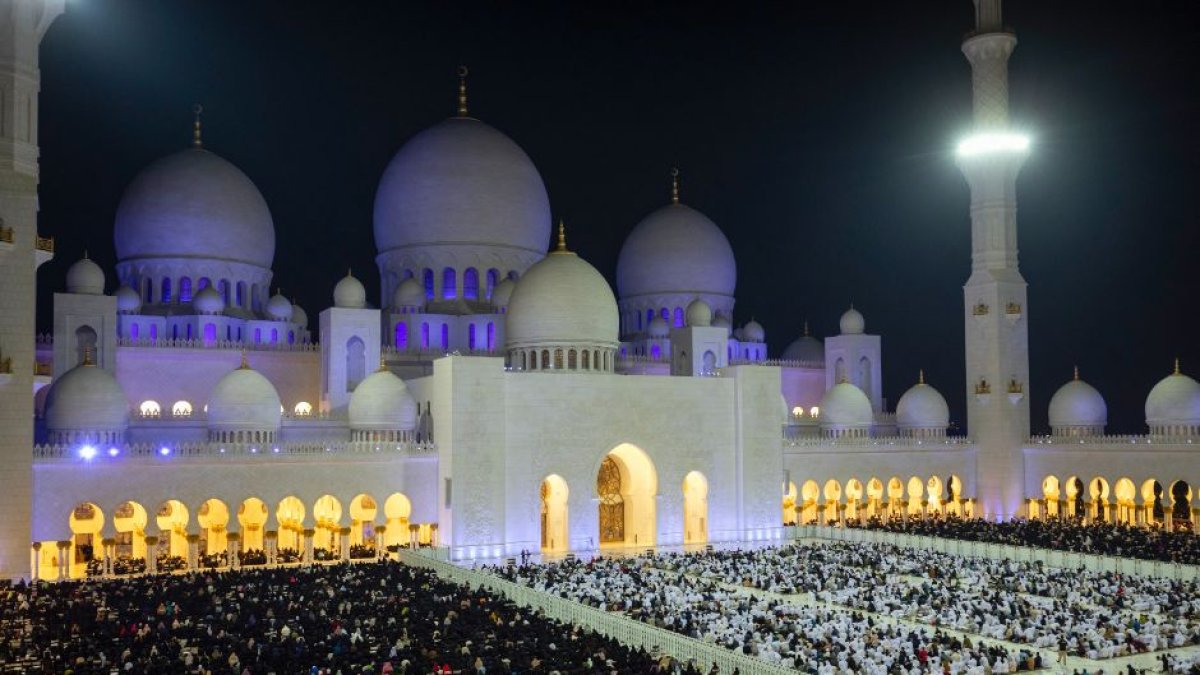
La Gran Mezquita Sheikh Zayed de Abu
Saudi Arabia and the United Arab Emirates have been allies, partners and leading members of the Gulf Cooperation Council, founded in 1981, essentially by the UAE and Kuwait. The GCC brought together six Gulf States: Bahrain, Kuwait, Oman, Qatar, Saudi Arabia and the UAE.
Saudi Arabia and the UAE are the states with the largest populations. The Saudis are estimated population is estimated to be between 35 million and 38 million, with the UAE at approximately 11 million. In June 2017, Saudi Arabia, the UAE, Bahrain and Egypt imposed a blockade on Qatar—severing diplomatic ties and implementing restrictions on land, sea and air—accusing it of supporting terrorism and interfering in regional affairs, particularly backing groups like the Muslim Brotherhood and fostering ties with Iran.
Saudi Arabia and the UAE share geopolitical interests and cooperate militarily. Both are members of the Arab League and the Organization of Islamic Cooperation (OIC). They have strong economic links and joint committees that manage energy, finance and investment projects. To some extent, they have shared in the Al-Arabiya news network, which was launched in 2003 from Dubai in the UAE, to serve as a competitor to the Qatari network of Al-Jazeera.
The Saudi government does, however, hold a major stake of 54% in the conglomerate called Middle East Broadcasting Center (MBC). The network has since moved its operation from Dubai to Riyadh.
And so, while Saudi Arabia and the UAE have historically been close allies based on shared interests and adversaries, in recent years, they have experienced growing strategic competition. This has happened with regard to Yemen, Sudan, as well as within the economic spheres—creating what is known as a “frenemy” dynamic where cooperation co-exists with rivalry over regional dominance, foreign policies and economic models, leading to increasing tensions, despite mutual interests in stability and development projects.
World
Saudi Arabia bombs the positions of a Yemeni militia supported by the United Arab Emirates
Emmanuel Alejandro Rondón
Saudi Arabia and the UAE haven’t always seen eye-to-eye, even on matters related to the GCC. They have differed on a single GCC currency, primarily due to a power struggle over the location and structure of the proposed regional central bank. In fact, the UAE withdrew from the monetary union project after the bank was slated for Riyadh and not Abu Dhabi, reflecting deeper economic competition and contrasting visions for regional fiscal dominance. The UAE favored a decentralized system, while Saudi Arabia pushed for a centralized one, stalling progress on the single currency (Khaleeji) for years.
The Saudi-backed government in Yemen is led by the Presidential Leadership Council, chaired by Rashad al-Alimi, who took over from President Abed Rabbo Mansour Hadi in 2022. He heads an eight-member body representing various anti-Houthi factions, though recent events show internal rifts, especially with southern separatists (STC).
For some time, Saudi Arabia and the UAE have been working together to support the Yemeni government against the Iranian-backed Houthis in the north. But southern separatists, known as the Southern Transitional Council (STC), began attacking Yemeni government forces, hoping to control the southern part of the country with the goal of establishing an independent South Yemen once again. The STC took control of military bases in Aden, where the government had set up its capital after Houthi rebels pushed it out of the north.
The Houthis still control critical northwestern territories, including the capital Sana’a. The Saudi-supported government has lost more strategic areas in southern Yemen to the STC, which has been trained and supported by the UAE.
Saudi Arabia and the UAE are supporting different sides in Sudan’s civil war, fueling the conflict. The Saudis back the Sudanese Armed Forces (SAF), led by Gen. Abdel Fattah al-Burhan, viewing them as a legitimate state authority, while the UAE provides military and financial support to the Rapid Support Forces (RSF), aiming for significant economic influence, especially over gold mines.
It has created a regional proxy conflict. Riyadh recognizes al-Burhan as the sole legitimate authority in Sudan. Reports from early 2026 indicate Saudi Arabia is negotiating a $4 billion package for JF-17 fighter jets from Pakistan, potentially intended for the SAF.
Involvement by the UAE is driven by a desire for regional economic dominance. Dubai is a major global gold trading and refining hub; maintaining this status requires a continuous, massive influx of raw gold. With no significant domestic gold mines, the UAE must import vast quantities of gold, with a large percentage coming from Africa, including Sudan.
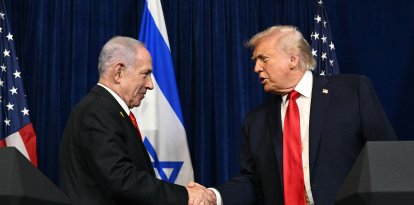
Saudi Arabia and the UAE also differ in their approach to the Israel-Palestinian conflict, with the UAE favoring continued engagement and normalization—namely, through the 2020 Abraham Accords—while Saudi Arabia links normalization to an Israeli with its commitment to a path for Palestinian statehood.
Somaliland is yet another area of contention between the two Gulf allies. The United Arab Emirates has reportedly “quietly” recognized Somaliland by accepting its passports, while simultaneously barring travelers with Somali documents. This significant policy shift follows Israel’s move to become the first U.N. member state to officially recognize the breakaway region.
While Abu Dhabi has not issued an official declaration, a change on its visa website has drawn some attention. Its move aligns with its deep-seated strategic interests in the Horn of Africa. Central to the UAE’s strategy is the Port of Berbera, managed by Dubai-based DP World, which offers a vital alternative to Djibouti in the Gulf of Aden.
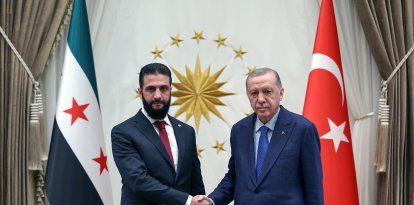
By strengthening ties with Somaliland, the UAE aims to secure its maritime influence and counter regional rivals like Saudi Arabia, which remains allied with Somalia’s federal government in Mogadishu. While the UAE and Israel seem to be on the same side on Somaliland, Saudi Arabia’s stance on Somaliland joins Qatar and Turkey, both nations that have complicated relationships with Israel.
The United States seeks close relations with the two Gulf States. The UAE, however, is far more aligned with American and Israeli interests in promoting more Arab and Muslim countries to join the Abraham Accords, widening its circle of business with the Jewish state.
LATEST