South Africa's naval exercises with China, Russia and Iran rekindle tensions with the West
The maneuvers, framed in the BRICS Plus format, have been officially presented by Pretoria as a technical exercise aimed at "improving maritime security" and protecting transport and economic activities at sea.
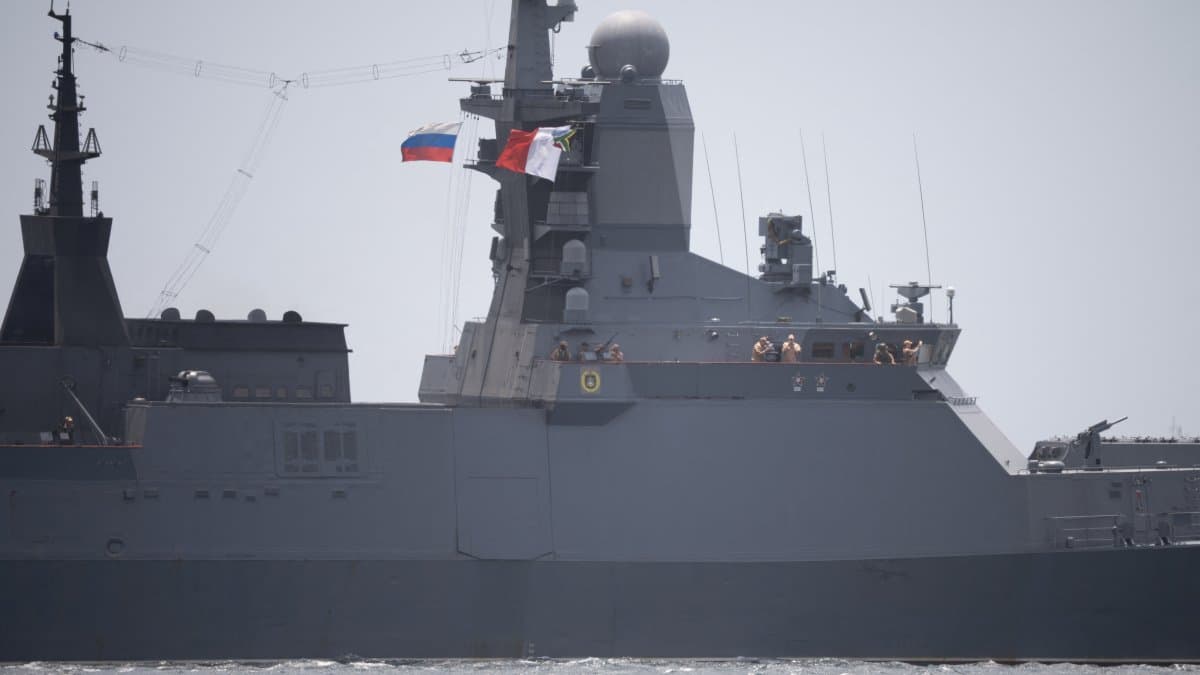

South Africa has become the epicenter of a new demonstration of alternative geopolitical alignments to the West. Since this weekend, warships from China, Russia and Iran are participating alongside the South African navy in the "Will for Peace 2026" naval exercises. The operation will run through Jan. 16 in waters near Simon's Town, a strategic naval base where the Atlantic and Indian oceans meet.
The maneuvers, framed in the BRICS Plus format, have been officially presented by Pretoria as a technical exercise aimed at "improving maritime security" and protecting transport and economic activities at sea.
However, the international context and the actors involved have turned the operation into a high-impact political signal, interpreted by Western analysts as a gesture of direct defiance to the order led by the United States and its allies.
According to Reuters, the exercises feature heavyweight military assets, including a Chinese destroyer and a Russian warship, whose arrival in Simon's Town was documented on Friday. The participation of Iran, a country under tough international sanctions, reinforces the strategic reading of the deployment and fuels concerns about South Africa's diplomatic course.
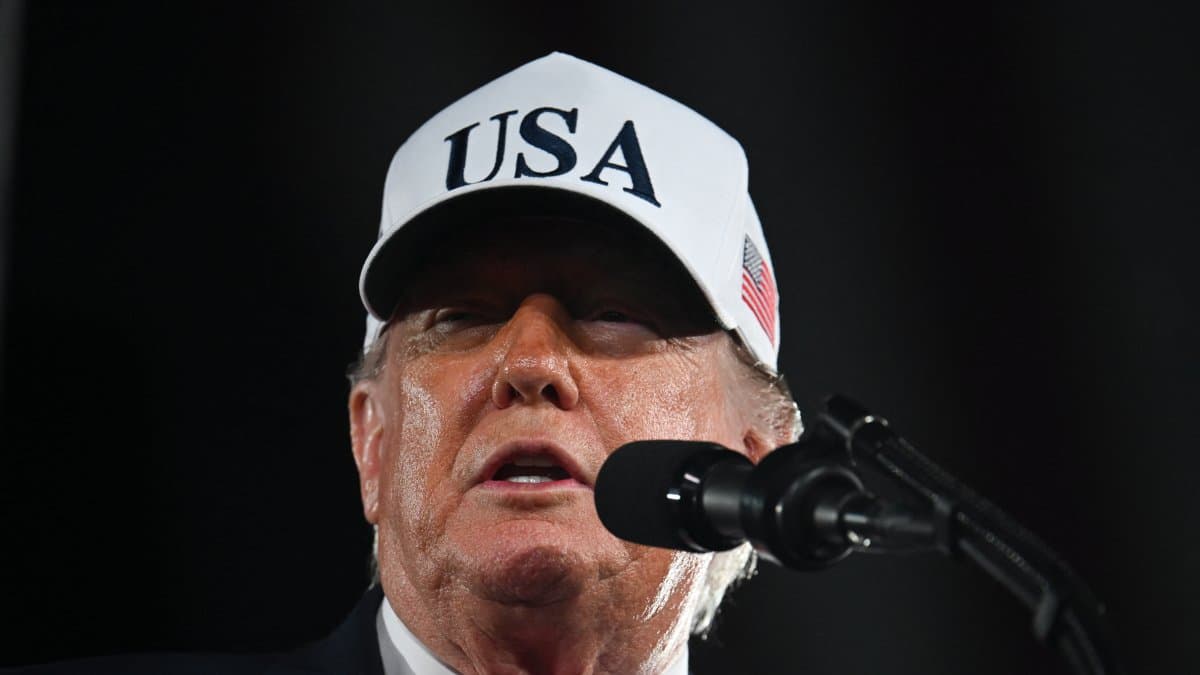
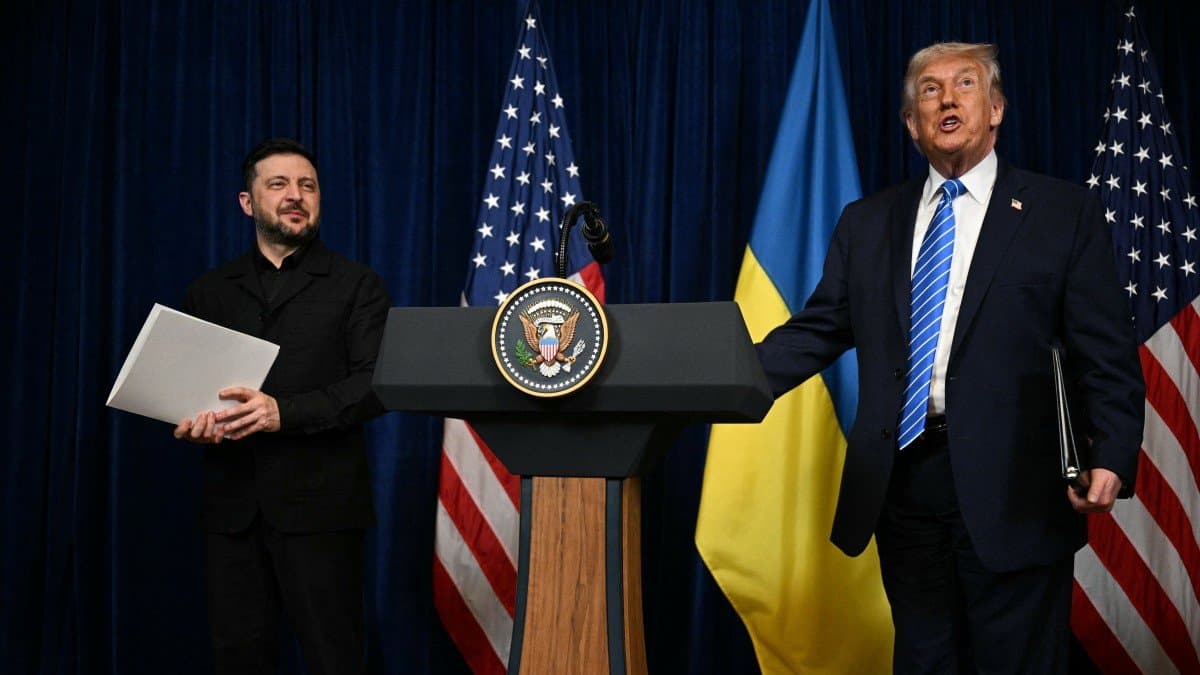
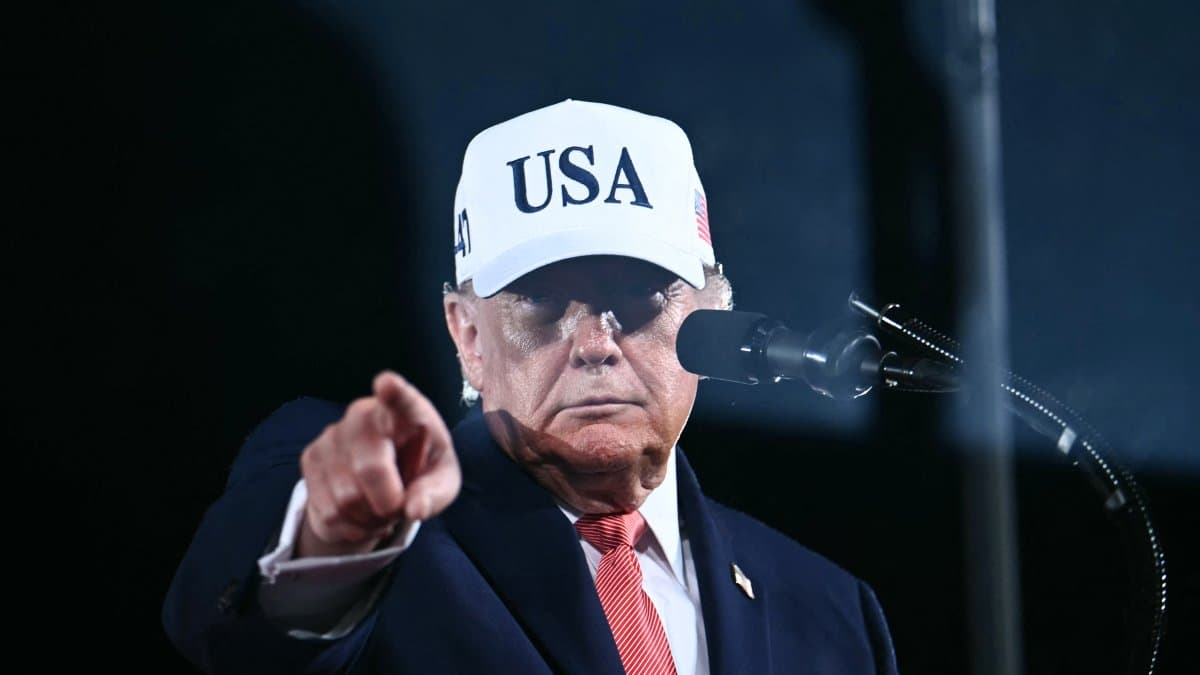
The South African government has rejected accusations of hostility, insisting that the maneuvers are "apolitical" and respond to a logic of maritime cooperation. However, U.S. President Donald Trump has repeatedly accused the BRICS countries of promoting "anti-American" policies and has already cut funding to Pretoria, citing its growing closeness with Beijing, Moscow and Tehran.
The South African executive's decision has also generated internal tensions. The Democratic Alliance (DA), a partner in the governing coalition, denounced the maneuvers as a "political trick" to normalize military cooperation with sanctioned countries with a history of international confrontation, which, according to the party, put the country's diplomatic and economic reputation at risk.
In a global scenario marked by open conflicts and growing strategic rivalries, the "Will for Peace 2026" maneuvers transcend the military sphere and consolidate the perception that South Africa is moving towards a position increasingly distant from the West, betting on an alternative axis of power that redefines its role on the international chessboard.
World
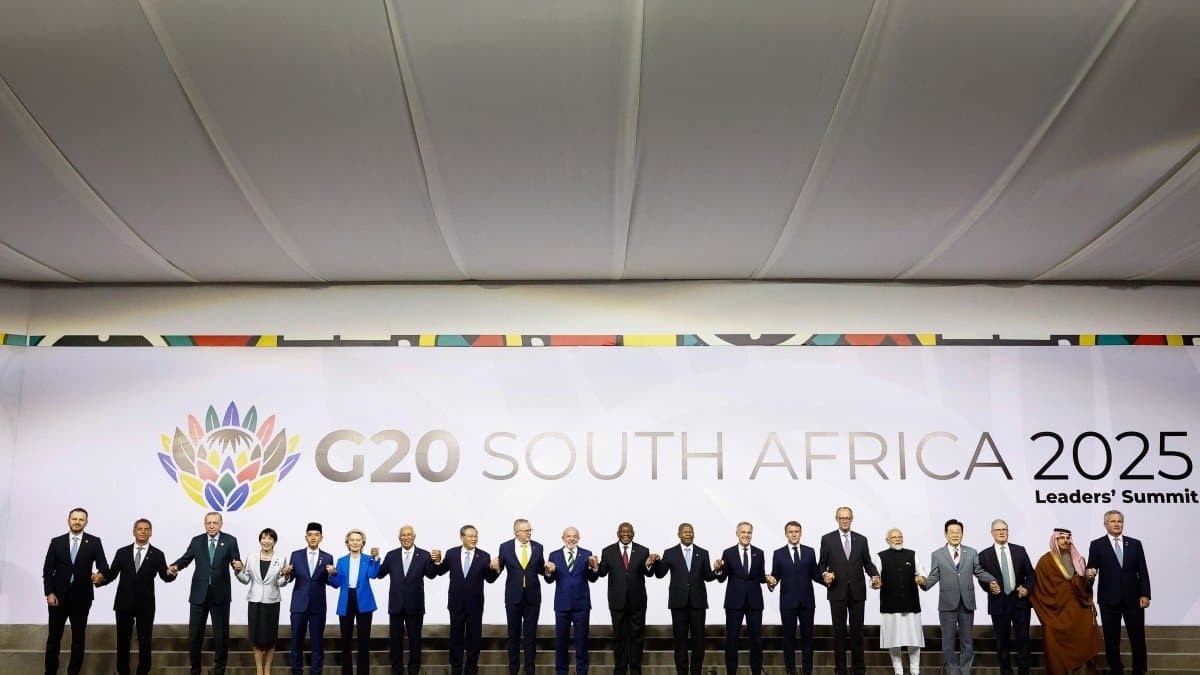
Trump withdraws invitation to South Africa for 2026 G20 summit over 'white genocide'
Emmanuel Alejandro Rondón
The BRICS Plus bloc and its dangers
For Washington and several European capitals, on the other hand, it is a platform that brings together authoritarian powers with common interests vis-à-vis the U.S. and the European Union.
🛠 Do you think there is an error in this article?
Recommendations





LATEST