Everything you need to know about the oil agreement between the United States and Venezuela
The agreement contemplates an initial sale of between 30 and 50 million barrels, which begins immediately and will continue indefinitely as long as the transition scheme is maintained.
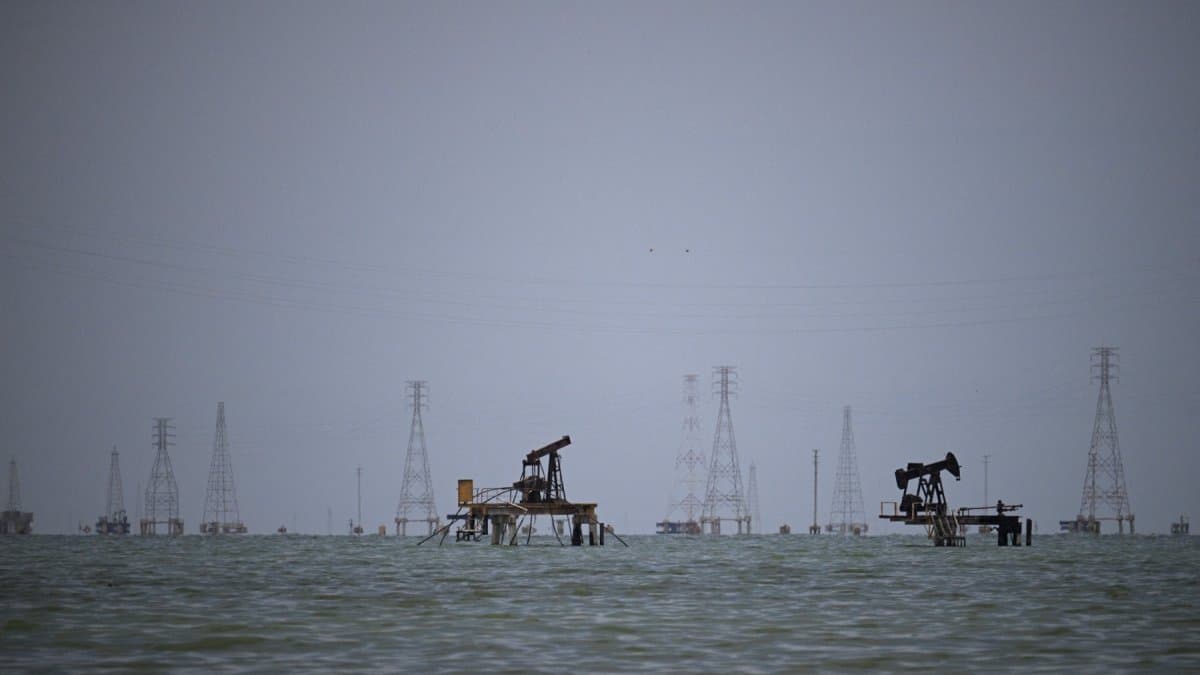

The United States announced on Wednesday a new scheme for the commercialization of Venezuelan oil that gives Washington control over the sales, revenues, and logistics of crude oil during the political transition stage opened after the capture of former dictator Nicolás Maduro.
The plan was detailed in a fact sheet from the Department of Energy and provides for the immediate sale of between 30 and 50 million barrels, whose revenues will be administered by the U.S. government, with the argument of guaranteeing transparency and legality and avoiding diversions to corruption or illicit financing structures.
The agreement profoundly redefines the energy industry of Venezuela, a country that was governed in the last two decades by a socialist regime that, due to inefficiency and corruption, destroyed the country's entire productive apparatus. Now, with the U.S. overseeing the political transition in Venezuela, oil will now be a central tool of economic stabilization.
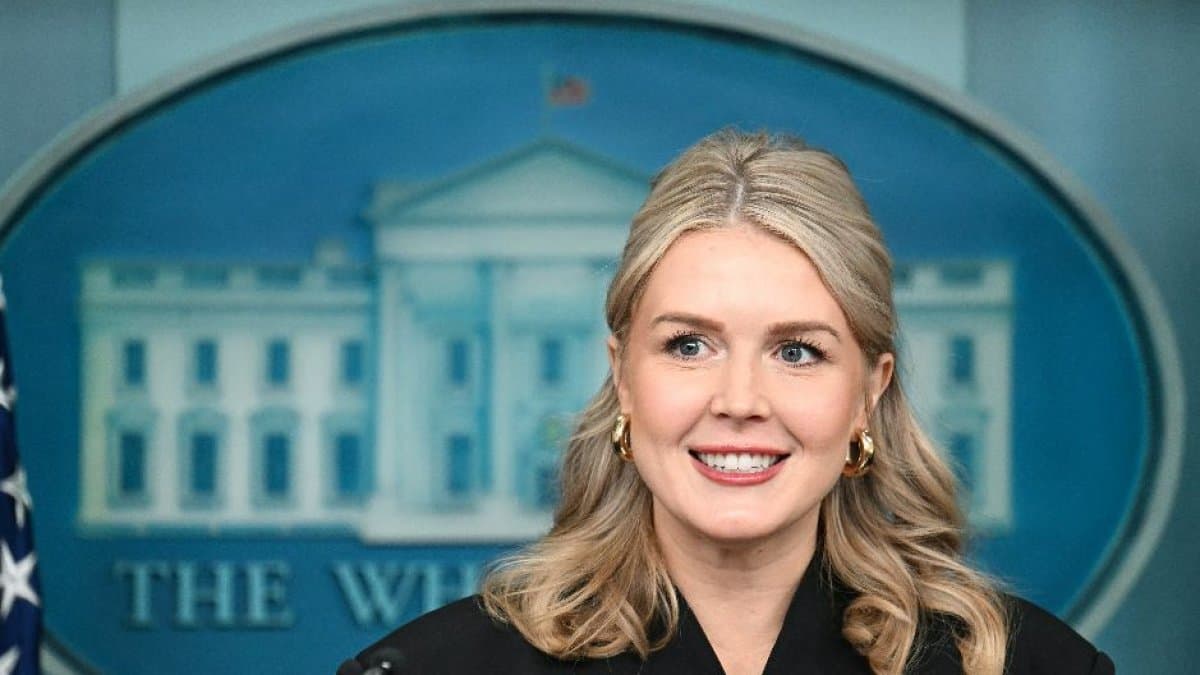
The United States takes over the commercialization of crude oil
According to the Department of Energy, the United States has already begun marketing Venezuelan crude oil on the global market, using major international commodity traders and top tier banks to execute trades and provide financial backing.
The scheme establishes that all oil leaving Venezuela must do so exclusively through legitimate and authorized channels, in compliance with U.S. law and national security criteria.
Between 30 and 50 million barrels for immediate sale
The agreement contemplates an initial sale of between 30 and 50 million barrels, which begins immediately and will continue indefinitely as long as the transition scheme is maintained.
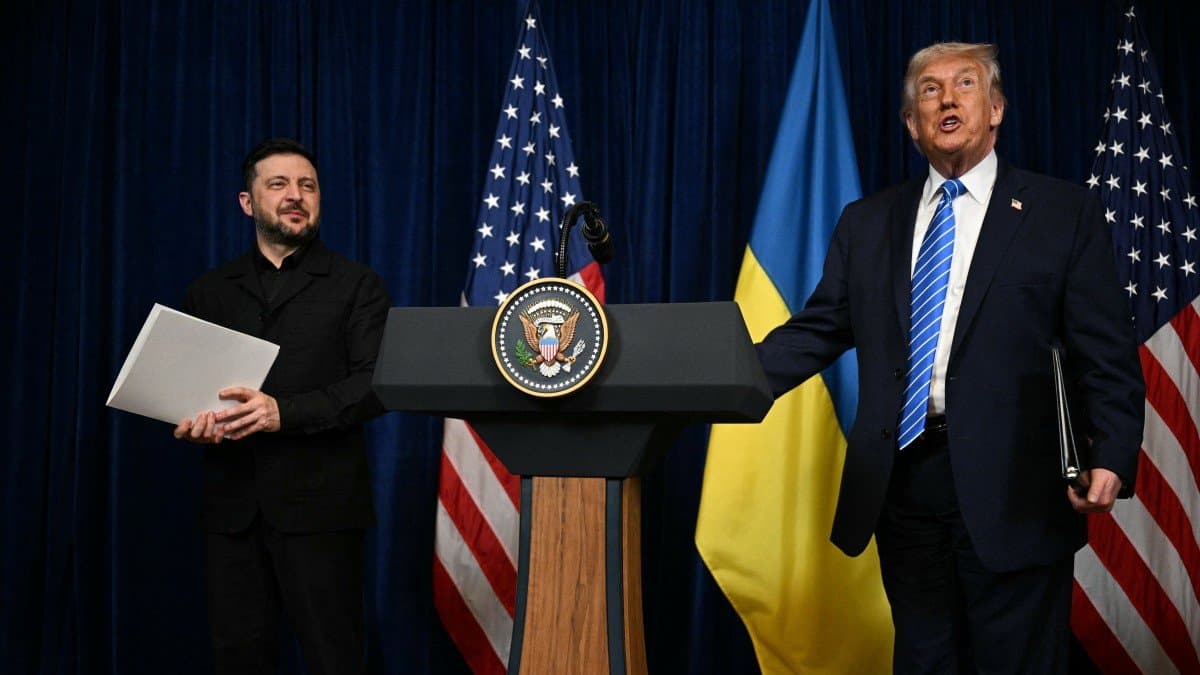
President Donald Trump confirmed that crude oil will be transported in storage vessels and unloaded directly at U.S. ports, without intermediaries or triangulation.
Control of revenues and accounts under U.S. supervision
One of the central pillars of the agreement is total financial control. The Department of Energy informed that all revenues from the sale of Venezuelan crude oil and petroleum products will first be settled in accounts controlled by the United States in internationally recognized banks.
The stated objective is to guarantee the legitimacy, integrity and traceability of the funds. Subsequently, these resources will be distributed at the discretion of the U.S. Government, with the argument of benefiting both the Venezuelan and U.S. people.

Selective easing of sanctions
To make the scheme viable, Washington announced a selective easing of sanctions, strictly limited to operations necessary for the transportation, sale and processing of Venezuelan oil within the framework of the agreement.
The Department of Energy clarified that this is not a general lifting of sanctions but rather specific licenses linked to the energy sector and subject to U.S. oversight.
Diluents, equipment and investment to reverse the drop in production
The agreement contemplates the shipment of US diluents (light oil) to blend and transport Venezuelan extra-heavy crude oil, as well as the authorization to import equipment, spare parts, technology, and oil services.
According to the Department of Energy, these measures seek to compensate for decades of falling production and promote gradual growth in the short term, with the participation of U.S. energy companies and those of other countries.
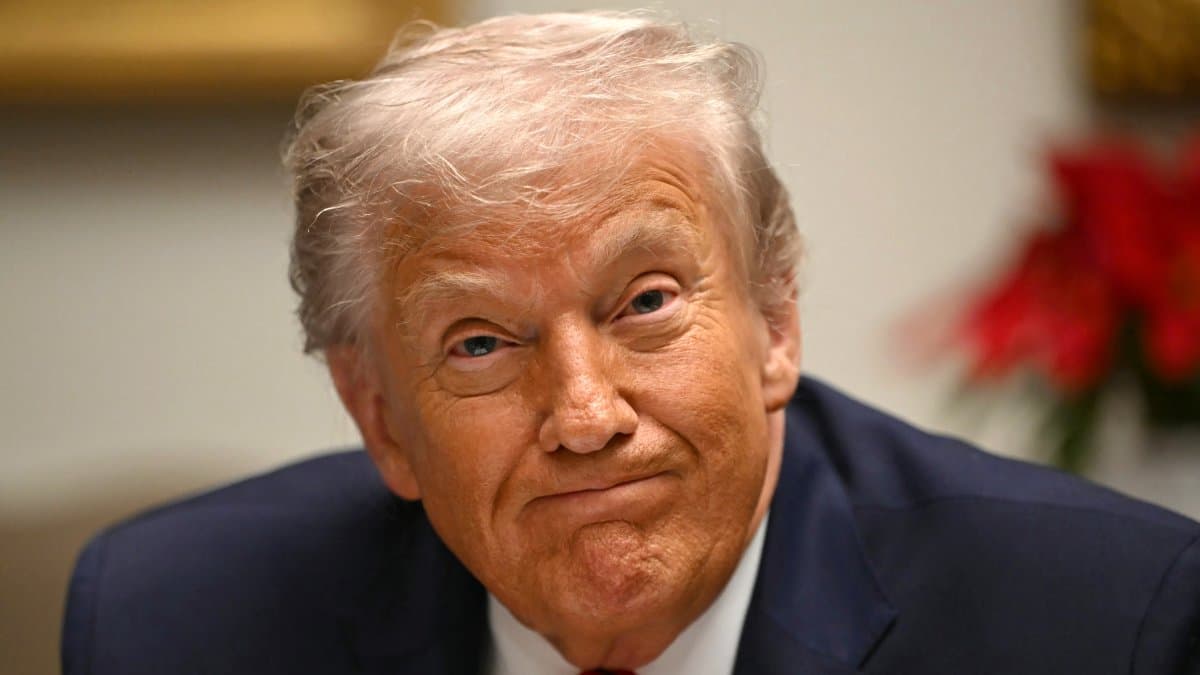
The electricity system, a key part of the plan
The energy plan also includes the rehabilitation of the Venezuelan electricity system, described as deteriorated after years of mismanagement and lack of maintenance. According to official data cited by Washington, national electricity production fell by more than 30%, directly affecting the operational capacity of the oil sector.
The improvement of the electricity grid is considered an indispensable condition to sustain any increase in oil production and to improve the quality of life of the population.
Marco Rubio explains the initial stage of the transition
Although the design of the agreement responds to the Department of Energy's roadmap, Secretary of State Marco Rubio explained before Congress how the oil scheme is integrated into a broader stabilization, recovery, and transition strategy.
Rubio noted that Venezuela's inability to move its oil due to sanctions allowed the United States to take control of the stalled crude, sell it at market prices and manage the revenues under U.S. supervision to prevent them from benefiting corruption or remnants of the regime.
According to Rubio, this initial stabilization stage will be followed by a phase of economic recovery, with the opening of the Venezuelan market to U.S. and Western companies, and subsequently by a process of political transition, which will overlap with measures of national reconciliation.
🛠 Do you think there is an error in this article?
Recommendations




LATEST