Bolivia ends two decades of fuel subsidies in the midst of a severe economic crisis
The decision marks a historic turn in the Andean country's economic policy and comes in the context of a deep fiscal, exchange and energy crisis.
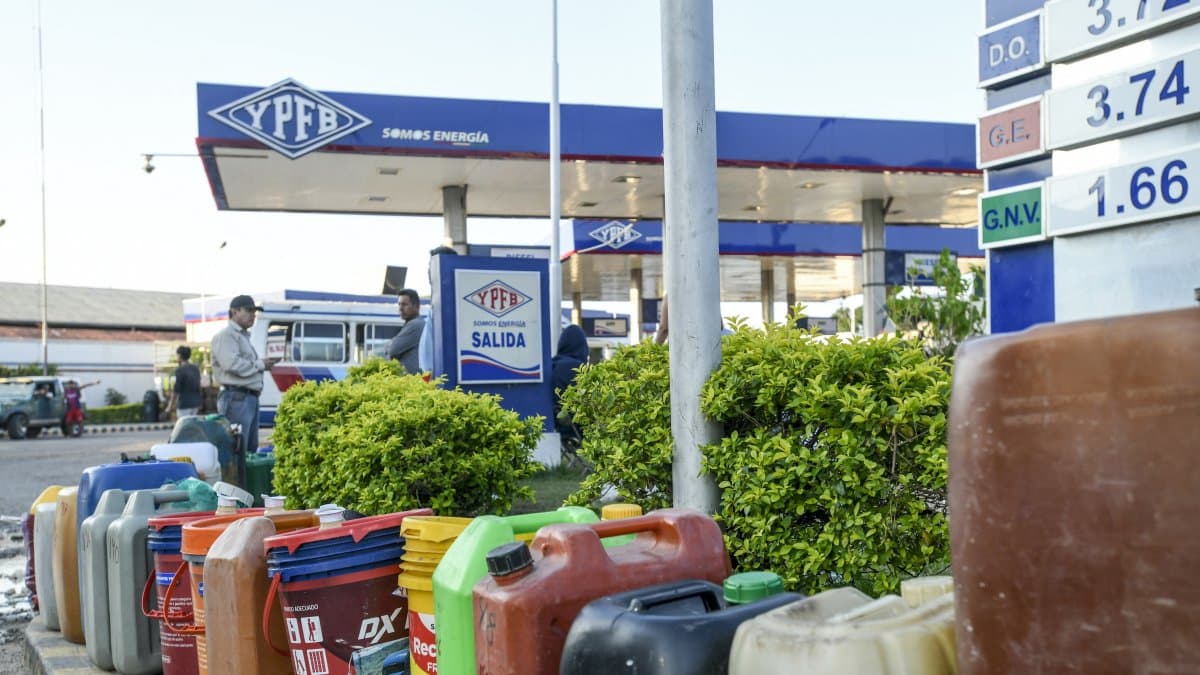

The new government of Bolivia announced on Wednesday the end of fuel subsidies, a policy that kept gasoline and diesel prices frozen for nearly 20 years under the leftist administrations that preceded the current administration.
The decision marks a historic turn in the Andean country's economic policy amid a deep fiscal, exchange and energy crisis.
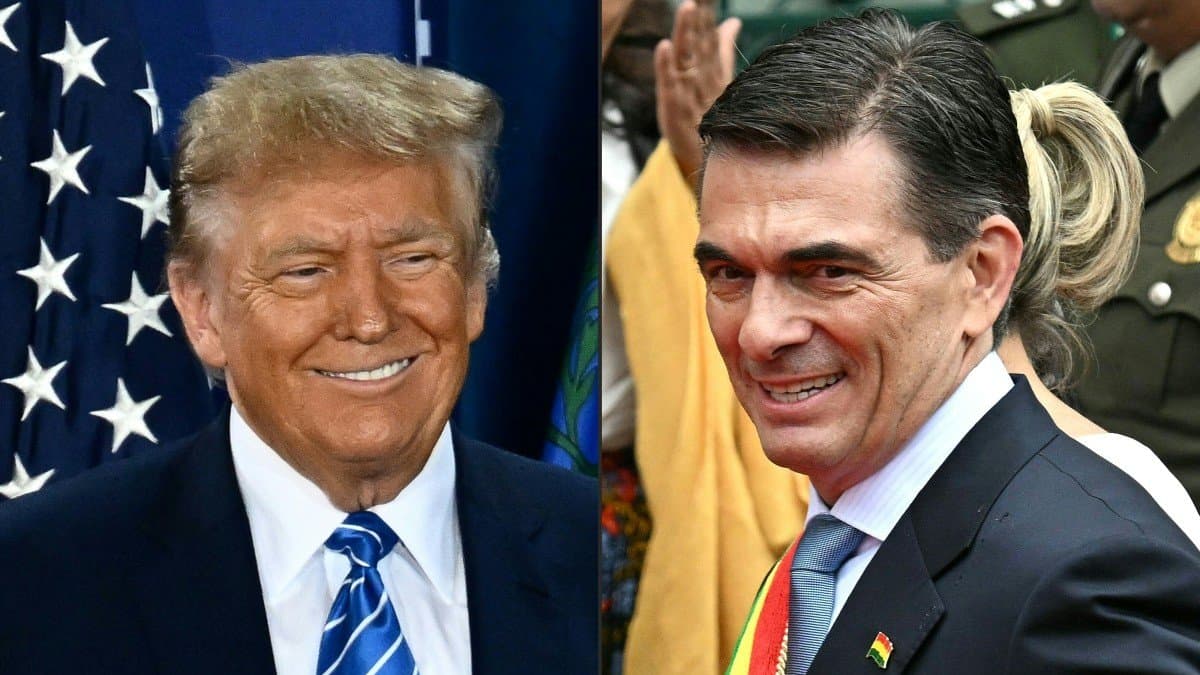
President Rodrigo Paz, who took office on Nov. 8, explained that the subsidy scheme became unsustainable and was one of the main factors that led Bolivia to go through its worst economic crisis in four decades. The Bolivian State centralizes imports of gasoline and diesel, which it buys at international prices and resells on the domestic market at values well below cost, which for years drained international dollar reserves.
"With the publication of this decree the new hydrocarbon prices will be announced. The removal of poorly designed subsidies of the past does not mean abandonment. It means order, justice and clear redistribution," stated Paz in a televised message, accompanied by members of his cabinet.
#Último| Rodrigo Paz, presidente de Bolivia, anuncia que se retira el diésel como sustancia controlada.#ElDeber #Noticias #Bolivia pic.twitter.com/inTzVdxZAl
The president also denounced that the subsidy system fostered multimillionaire corruption schemes and smuggling, by encouraging the illegal resale of fuels to neighboring countries. Within this framework, he announced that diesel will be removed from the list of controlled substances, with the aim of facilitating imports by the private sector and alleviating chronic shortages.
"The subsidies that were used to hide the looting will not condemn Bolivia again. Price stabilization will make it possible to generate additional fiscal resources," Paz stressed.
Shortages and social unrest
Since 2023, Bolivia has suffered recurrent periods of fuel shortages. In numerous cities, long lines of vehicles have become commonplace at gas stations, with drivers waiting hours and even days to be able to fill up with gasoline or diesel, a situation that hit transportation, agricultural production and industrial activity hard.
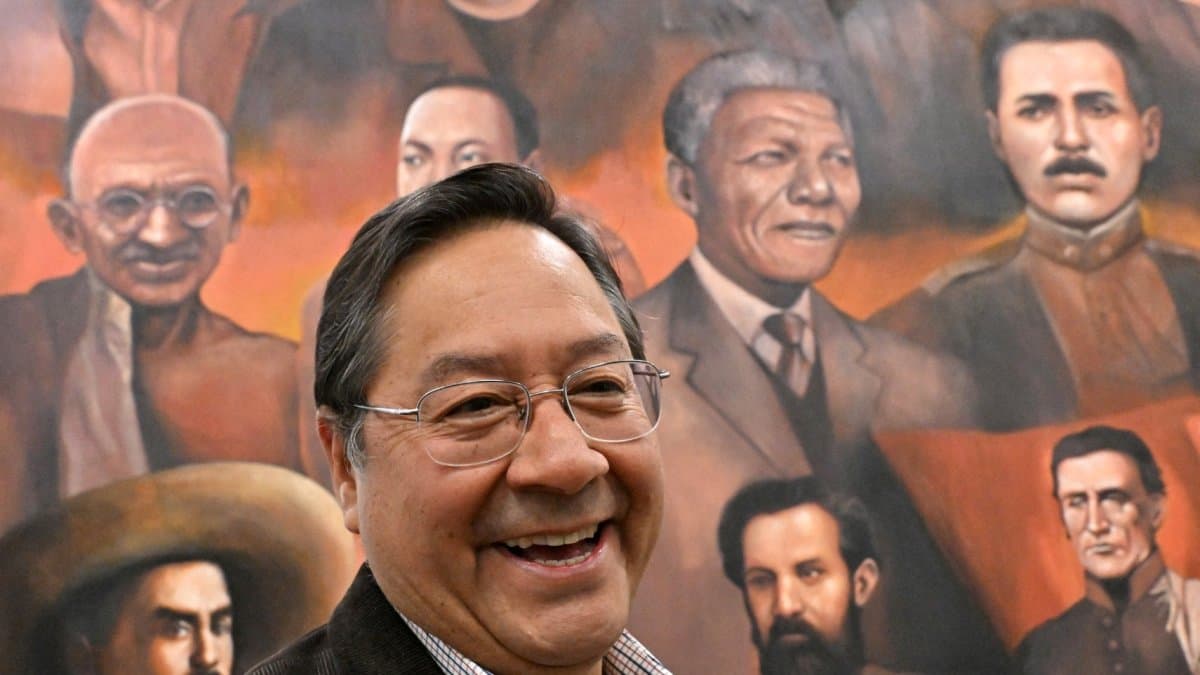
In his first weeks in office, Paz described the inheritance received as an "economic, financial, energy and social emergency," and assured that the country was left in critical conditions after two decades of governments of the "Movimiento al Socialismo" (MAS), led by the leftists Evo Morales (2006-2019) and Luis Arce (2020-2025).
"Bolivia could not continue to operate with rules of the last 20 years," said the president, who announced investigations to identify responsibilities in alleged corruption crimes. In the framework of these events, former president Arce remains in detention pending formal charges of embezzlement and other charges.
Economic reform package
President Paz also announced that his government will exempt from taxation the repatriation of capital that left the country during previous administrations. According to official figures, the tax on large fortunes, created in 2020 and recently eliminated, triggered the flight of more than $2 billion dollars.
On the social front, the administration announced the minimum wage will rise from $395 to $474 U.S dollars in January 2026 and promised increased assistance bonds for the most vulnerable sectors.
Inflation and exchange rate pressure
Bolivia is facing a sharp macroeconomic deterioration. The year-on-year inflation rate reached 20% in November, after peaking at close to 25% in July, while the dollar remains scarce and is only readily available on the black market, where it is quoted well above the official exchange rate.
Pueblo de Bolivia, hoy hemos dictado un histórico D.S. He decidido declarar la emergencia económica y social que busca el sinceramiento de los precios de los hidrocarburos, una decisión difícil pero necesaria para garantizar el abastecimiento de combustible y dejar de desangrar…
The Government assured that this set of measures aims to reduce the fiscal deficit by 30%, stabilize public accounts and lay the foundations for an economic recovery, although the end of subsidies anticipates social tensions in the short term in a country historically sensitive to increases in fuel prices.
🛠 Do you think there is an error in this article?
Recommendations

LATEST