ANALYSIS
EU backs off, proposes to postpone AI regulation to help local tech companies
Europe's strict regulation of the digital sector a few months ago drew criticism from the Trump administration, but also from E.U. businesses and governments that see it as a brake on growth and a driver of censorship.


The European Union's (E.U.) executive arm on Wednesday proposed delaying the implementation of new rules on artificial intelligence (A.I.) to help local tech companies compete with global rivals.
Europe's strict regulation of the digital sector a few months ago drew criticism from the Trump administration, but also from E.U. businesses and governments that see it as a brake on growth and a driver of censorship.
Brussels promised to facilitate the development of local industry with proposals presented Wednesday that modify its data protection rules and delay implementation of part of its new A.I. regulations.
"Our rules should not be a burden, but added value. For this, we need immediate steps to get rid of regulatory clutter," said European Commission Executive Vice President for Tech Sovereignty, Security and Democracy Henna Virkkunen.
A step toward simplifying regulations
The European Commission (E.C.) is proposing the facilitation of access to databases to train A.I. models, even personal data if it is with "legitimate interests," as well as giving companies more time to adapt to the new A.I. law.
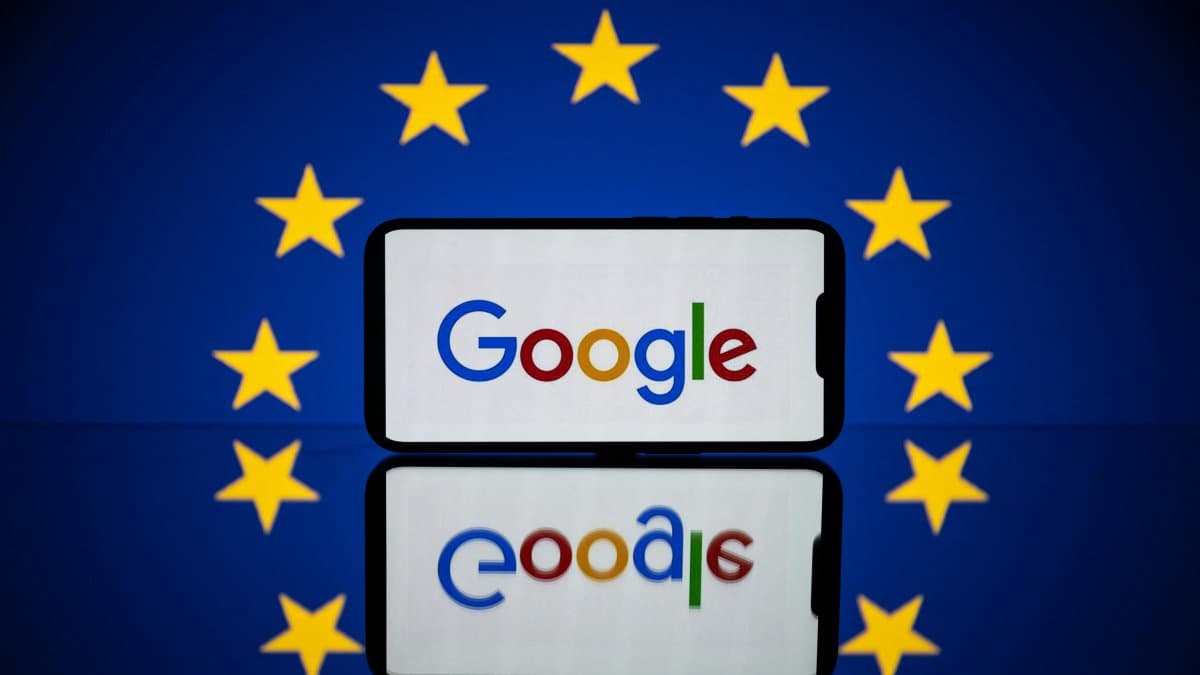
Data privacy associations criticized these changes; however, according to AFP, the tech industry hailed them as "a step toward simplifying the E.U.'s complex regulatory landscape."
The proposals require the approval of the European Parliament and the bloc's 27 member states.
Enforcement of "high-risk" A.I. regulations postponed
The E.U. passed an unprecedented law to regulate this industry that came into force in August 2024. This includes a system of restrictions proportional to the risk to society presented by each A.I. system.
Thus, systems considered high-risk, used in critical infrastructure, security or health, have to meet multiple requirements before being authorized.
Major European companies, such as Airbus and Mercedes-Benz, asked to delay or slow down the implementation of some aspects of the law that, in their view, could stifle innovation.
Brussels partially agreed with them Wednesday by agreeing to postpone implementation of "high-risk" A.I. provisions from August 2026 to the end of 2027.
Increased competition
E.U. officials argue that these changes will help European tech companies compete with their American and Chinese rivals, and reduce reliance on foreign giants.
But experts say the E.U. is lagging behind also for other reasons, such as different regulation between states, a shortage of skilled labor and limited funding.
Europe wanted to close the net on the technology sector
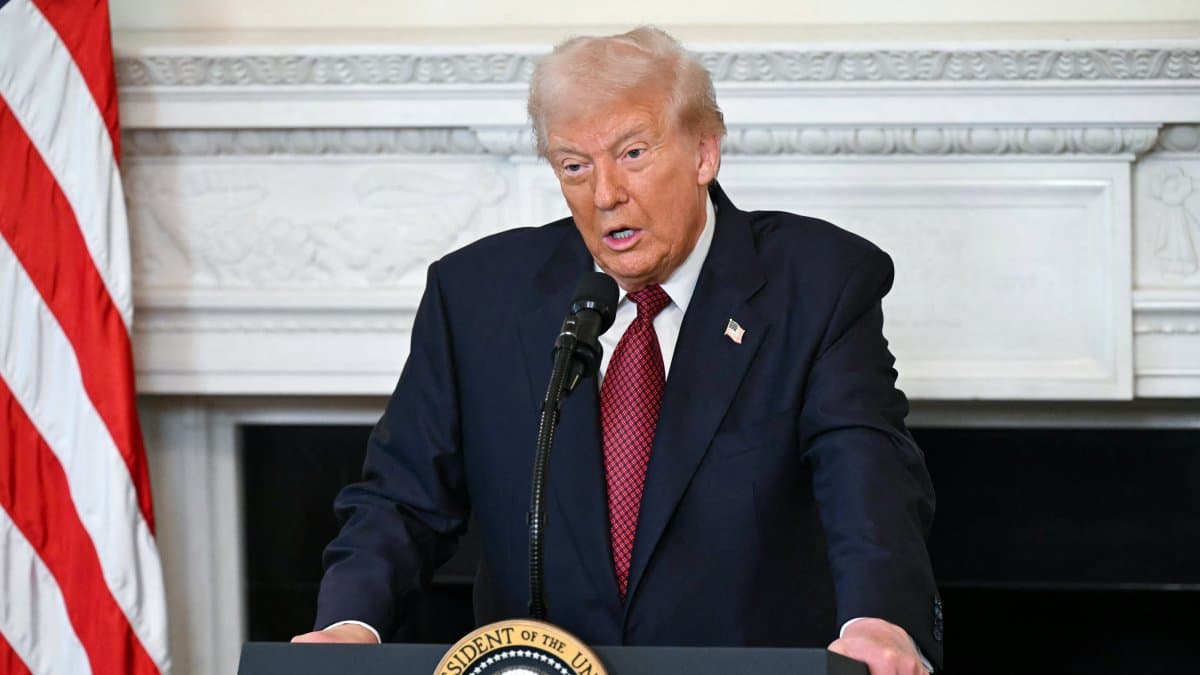
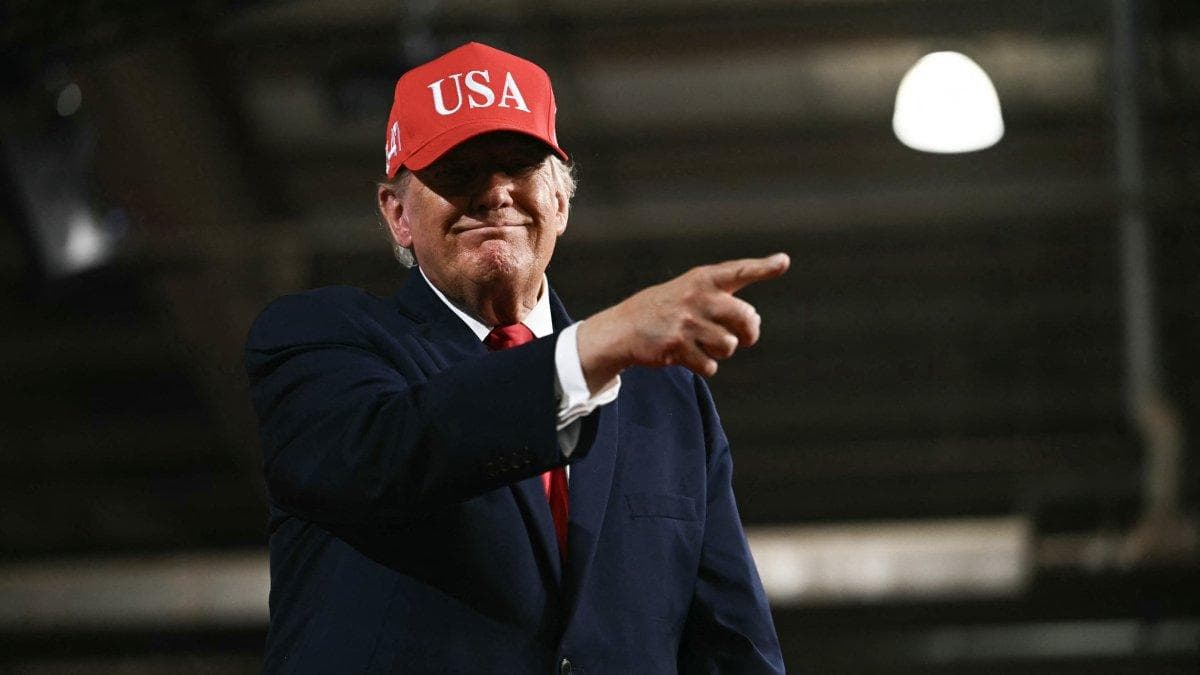
"I put all Countries with Digital Taxes, Legislation, Rules, or Regulations, on notice that unless these discriminatory actions are removed, I, as President of the United States, will impose substantial additional Tariffs on that Country's Exports to the USA," the president stated.
Although Trump did not directly cite the European Union or the United Kingdom, they have a powerful legal arsenal to regulate the digital sector.
Henna Virkkunen declared days later that despite Donald Trump's threats, the E.U. would continue to enforce its rules on digital platforms.
The official posted a message on X with a letter addressed to House Judiciary Committee Chairman Jim Jordan to let him know on the record that the E.U. would continue to apply strict regulations to digital platforms.
"The Digital Services Act [DSA], like the Digital Markets Act [DMA], is a sovereign legislation of the European Union, adopted with overwhelming majorities by the European Parliament and the Council of the E.U.," the document read.
Although the DSA, DMA and A.I. Act are distinct laws, they complement each other perfectly and together form the most ambitious digital regulatory package in the world. Brussels designed them to fit together like Lego pieces.
🛠 Do you think there is an error in this article?
Recommendations






LATEST