Uruguay approves euthanasia law, despite opposition from Church and 'gift of life' advocates
The Senate approved the legislation entitled Dignified Death with 20 votes in favor, out of a total of 31 parliamentarians present. For its part, the religious community has expressed its rejection stating that "every person deserves to be cared for, accompanied and sustained until the end."
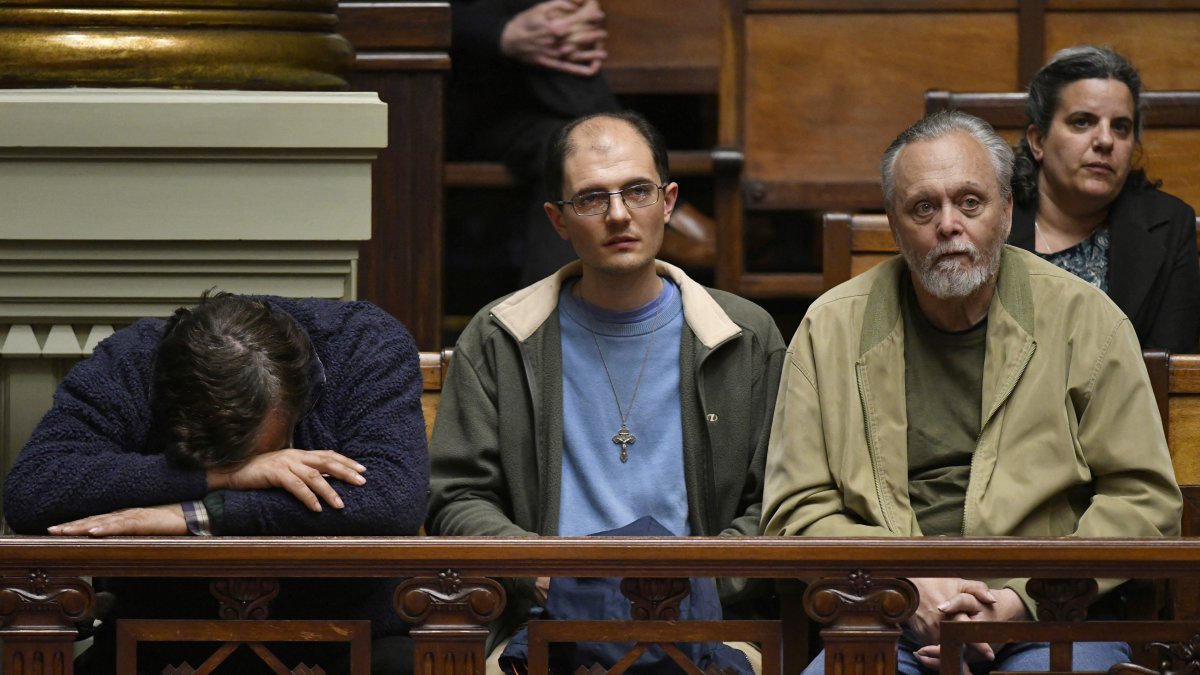
People opposed to euthanasia watch senators debate in Montevideo.

Uruguay's senate on Wednesday approved by a wide majority a law allowing euthanasia under certain conditions. More than ten hours of debate settled an issue that several lawmakers called "the most difficult."
The Senate approved the legislation entitled "Dignified Death" with 20 votes in favor, out of a total of 31 parliamentarians present. With the move, Uruguay joins a small group of countries that have legalized assisted death, including Canada, Netherlands and Spain, among others.

This is the first time euthanasia has been approved by law in the region. On the other hand, Colombia and Ecuador are the Latin American countries that for now decriminalized assisted death through judicial rulings.
The requirements
Under the new law, persons of legal age, who are citizens or residents and mentally competent, and who are in the terminal stage of an incurable illness or suffering unbearable pain with severe deterioration in their quality of life, may qualify for euthanasia. Patients must also complete several steps before submitting their written consent.
The Church opposes the law: "We are called to defend the gift of life"
The Catholic Church expressed its "sadness" at the approval of the bill in the Chamber of Deputies in August, and the opposition to the initiative that finally became law transcended the religious sphere. More than a dozen organizations questioned the wording, calling it "deficient and dangerous."
"In the context of the vote on the bill to enable euthanasia, as a Church we are called upon to defend the gift of life and to remember that every person deserves to be cared for, accompanied and sustained until the end," the Church of Montevideo in X said Wednesday.
A few days ago, while the bill was still under discussion within the Senate Public Health Committee and had not been presented to the plenary, Archbishop Daniel Sturla was received by the body where he took the opportunity to express his disagreement with the legislation.
"What I exposed is that the main problem in Uruguay is a spiritual problem that has to do with the meaning of life and with the devaluation of human life that occurs among us. This project, instead of contributing to valuing life, contributes to the idea that there are disposable lives," the archbishop emphasized to the press.
LATEST