US appoints new Tibet envoy, sparking tensions with China
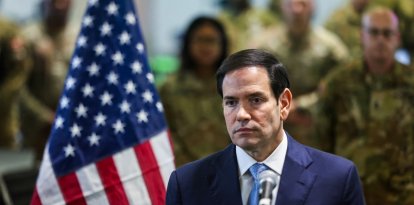
Secretary of State Marco Rubio stressed that the move reaffirms Washington's commitment to protecting the inalienable rights of Tibetans and preserving their linguistic and cultural heritage, coinciding with the celebration of the Tibetan New Year.

People in traditional attire attend the prayer ceremony of Tibetan spiritual leader the Dalai Lama.

The U.S. administration announced the appointment of Riley Barnes as the new special coordinator for issues related to Tibet, a position created by law in the United States since 2002 to monitor and promote the human, cultural and religious rights of the Tibetan population.
Secretary of State Marco Rubio, emphasized that the move reaffirms Washington's commitment to protecting the inalienable rights of Tibetans and preserving their linguistic and cultural heritage, coinciding with the celebration of the Tibetan New Year.
Beijing's response
Beijing's response was immediate and forceful. The Chinese Foreign Ministry called Barnes' appointment an "interference in China's internal affairs" and reiterated that Tibet's matters are exclusively internal, rejecting any outside interference, according to AFP.
This reaction reflects the historical sensitivity of the Chinese government to the international attention on the situation of Tibet, a territory it considers an integral part of its sovereignty and where it maintains strict political and religious control.
The succession of the Dalai Lama, spiritual leader of Tibetan Buddhism
China, for its part, calls the Dalai Lama a separatist and has sought to limit his international influence, while Washington maintains an active role in defense of Tibet's cultural and religious autonomy.
The tension generated by the new U.S. position could further aggravate diplomatic friction between the two powers, reflecting a persistent clash between U.S. human rights foreign policy and China's uncompromising sovereignty stance.
LATEST