ANALYSIS: This is the luxury life of Hamas leaders in Qatar
Approximately 1,000 Hamas members, along with their families, reside in Doha, housed in homes provided by the Qatari government and where they are allowed to operate without restrictions.


The recent Israeli attack in Doha, capital of Qatar, against the top leadership of Hamas has put the privileged life led by the leaders of the Palestinian terrorist group in this Gulf country in the spotlight, Israeli media Ynet reported.
Qatar has established itself as a key home for Hamas, especially after the start of the war unleashed after the October 7 massacre, according to an adviser to the organization's leader, Ismail Haniyeh -removed by Israel in 2024-, quoted by the BBC.
It is worth noting that many critical voices accuse Qatar, an ally of the terrorist organization Muslim Brotherhood and accused of funding Islamic terrorism globally, of covering up its actions against the West by acting as mediator between Israel and Hamas.
Approximately 1,000 Hamas members, along with their families, reside in Doha, housed in housing provided by the Qatari government. Senior leaders, such as Khalil al-Hajjah, Zaher Jabarin, Mohammad Darwish and Musa Abu Marzouk, enjoyed preferential treatment, occupying exclusive villas reflecting their status within the organization. For their part, former prisoners and security teams were installed in apartments provided by the Qatari authorities.
This housing infrastructure offers not only comfort, but also a sense of immunity. Until the attack, Hamas leaders moved relatively freely between Doha, Cairo and Istanbul, where they maintained offices, the Wall Street Journal indicated. This mobility, combined with Qatari hospitality, had turned Doha into a city of refuge for the organization's top leadership, allowing them to operate without the restrictions they faced elsewhere, such as Tehran, from where they recently moved their activities.

A lifestyle under threat
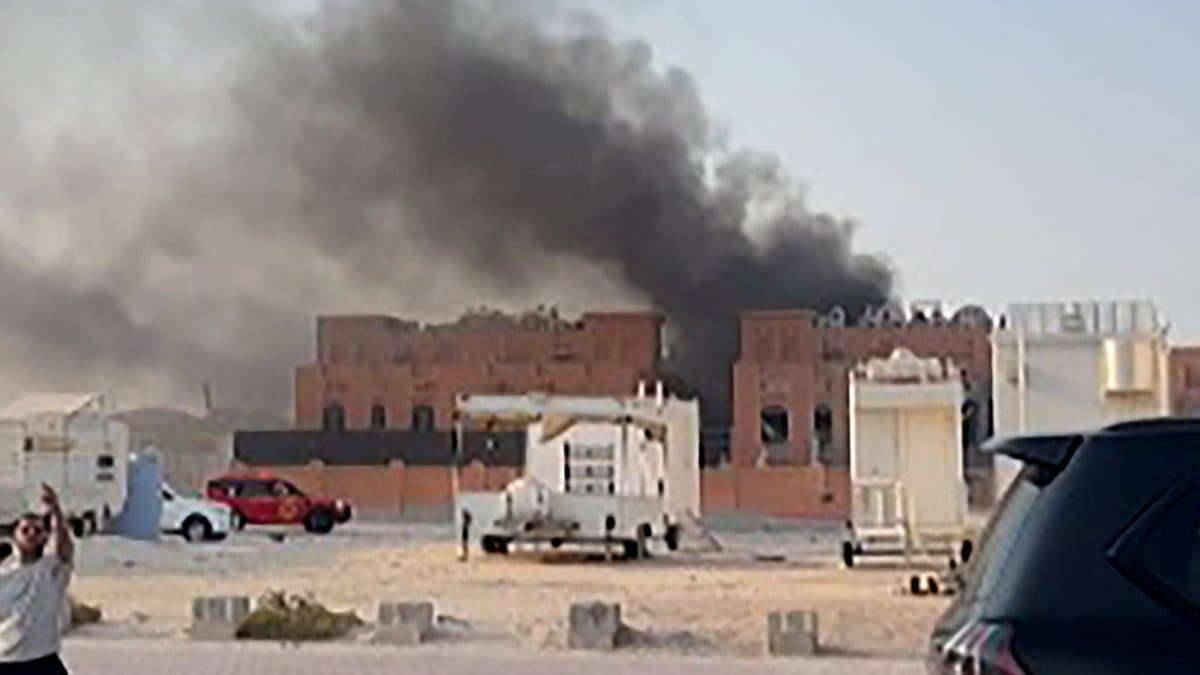
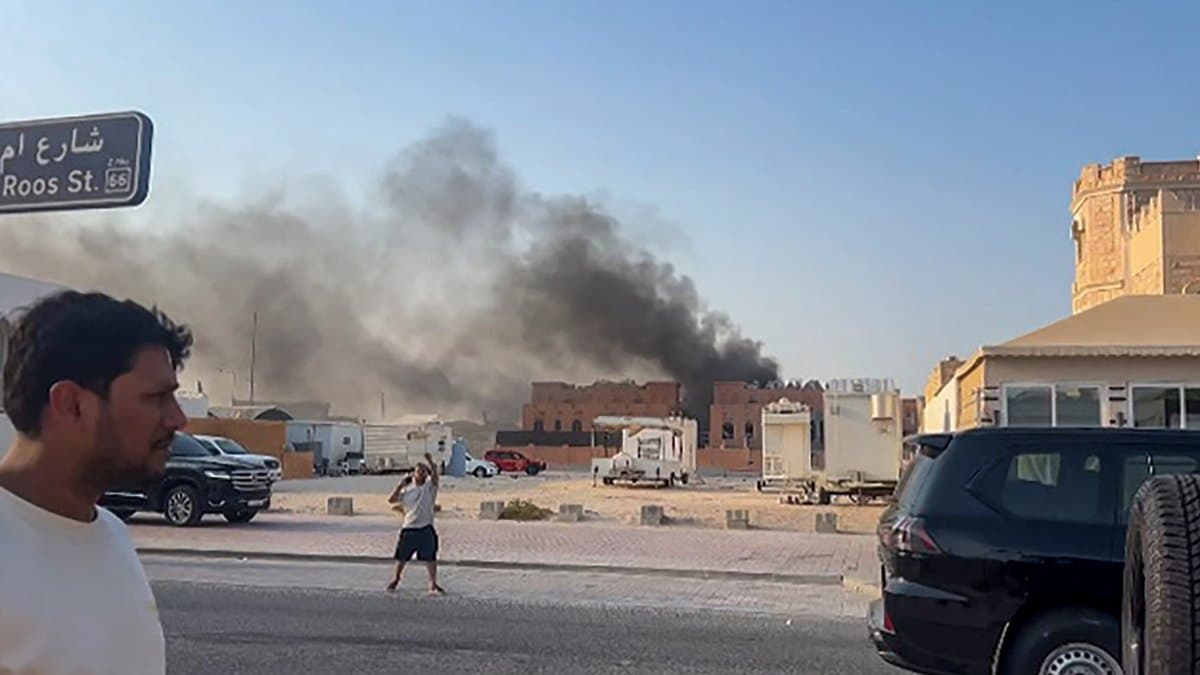
The Israeli attack, part of Operation Summit of Fire, according to Ynet, has shattered this perception of security. The targeted villa, which Israeli sources said was hosting a high-level Hamas meeting, sustained severe damage. Although the terrorist group claimed that its leaders escaped seconds before the bombing after a warning, the organization confirmed the death of close figures, including Khalil al-Hajjah's son, Imam, and the head of his office, Abu Bilal, along with three bodyguards and a Qatari policeman.
The lack of concrete evidence of the survival of the aforementioned leaders has raised doubts, but also highlighted the vulnerability of their position in Qatar.
Before the attack, Hamas leaders lived in an environment that combined luxury and protection. The villas assigned to senior officials were not only a status symbol, but also a space for planning and coordinating political and operational activities. However, the bombing has changed this dynamic. According to the BBC, the attack could shake the arrangements that allowed Hamas to operate with such freedom in Doha, shattering the illusion of an impenetrable city.
Reactions and consequences
The attack has not only affected Hamas, but has also generated international tensions. Qatari Prime Minister Mohammed al-Thani accused Israel of perpetrating a "terrorist" act with a weapon undetected by radar, possibly missiles launched from the Persian Gulf, according to AP.
The arrival of regional leaders, such as UAE President Mohammed bin Zayed and upcoming visits by the Jordanian and Saudi crown prince, reflect an attempt to show solidarity with Qatar in the wake of the attack, Ynet noted.
In Israel, security sources expressed skepticism about the success of the attack in eliminating Hamas leaders, although they stressed that it succeeded in instilling fear, demonstrating that "there is no place for them to hide," Ynet indicated. Meanwhile, Hamas insists that the attack was a "smashing failure" and that its leaders are still alive, a claim backed by sources in the Gulf, but still without conclusive proof.
A paradigm shift
The life of luxury and security that Hamas leaders enjoyed in Qatar, with exclusive villas and local government backing, is now under scrutiny. The attack, according to Ynet, has not only damaged a villa, but fractured Hamas's reliance on Doha as a safe haven. This event could force the organization to rethink its presence in Qatar and seek new destinations, as the region watches the diplomatic and strategic consequences of this action unfold.
The Israeli attack also appears to be a message to Qatar to stop supporting terrorism.
🛠 Do you think there is an error in this article?
Recommendations







LATEST