Boxer Julio César Chávez Jr. is deported to Mexico following his arrest in Los Angeles for ties to the Sinaloa Cartel
Mexican President Claudia Sheinbaum confirmed the move during her morning press conference on Tuesday.
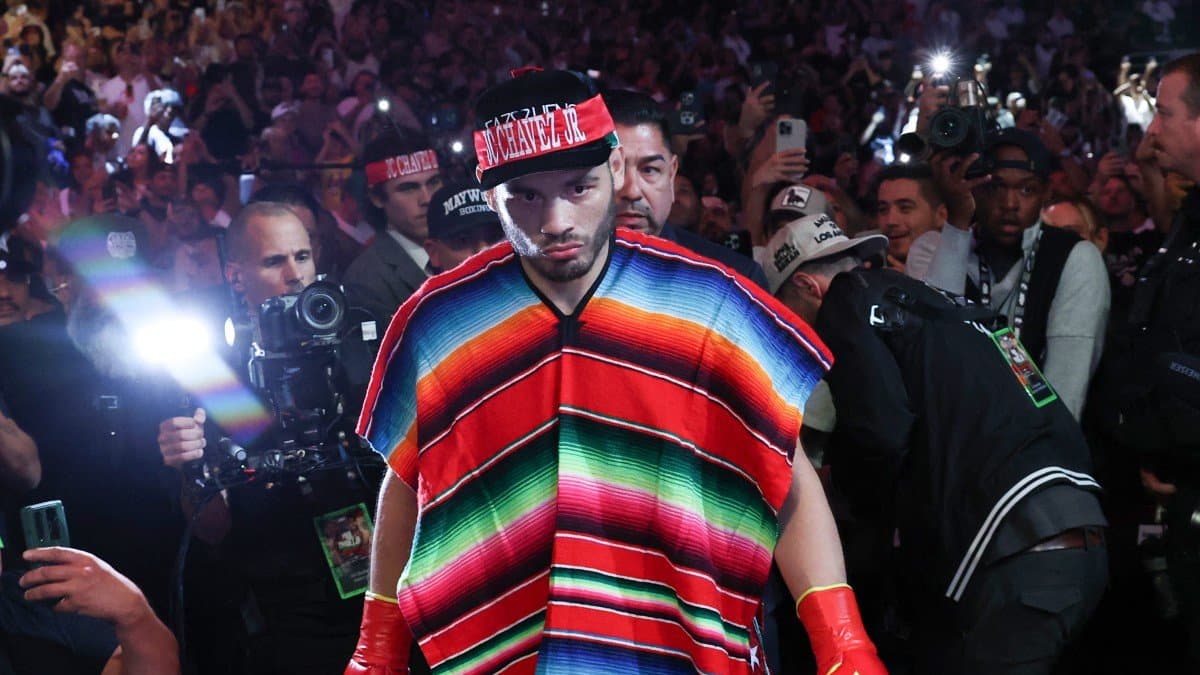

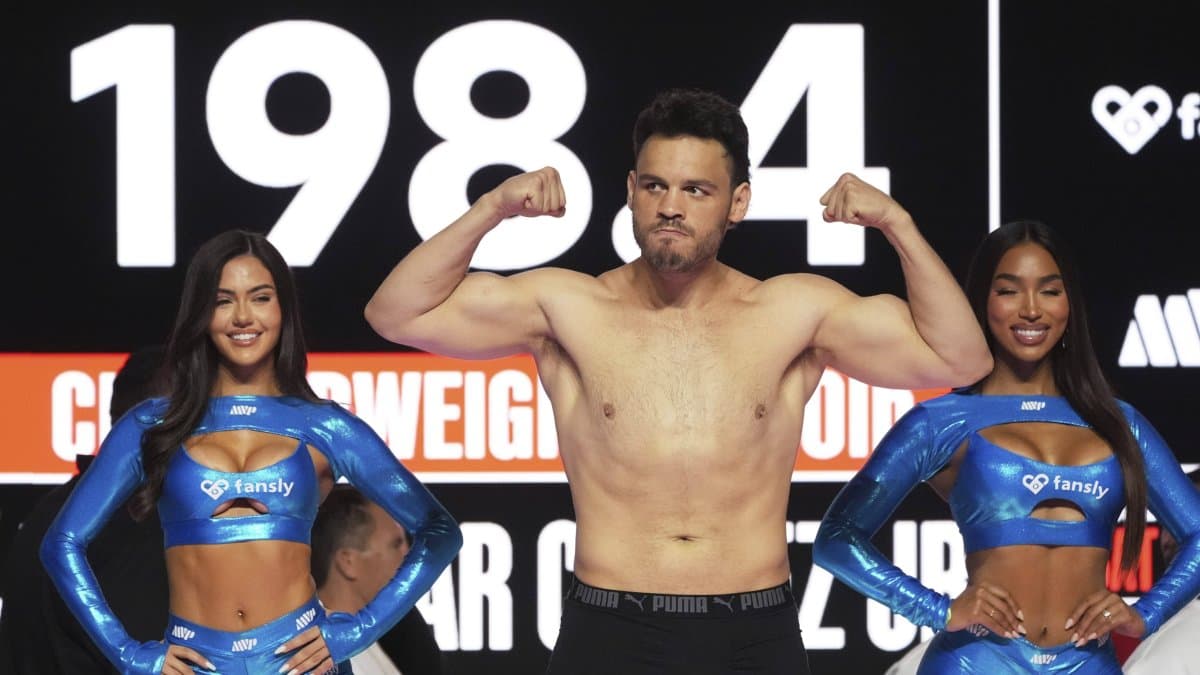
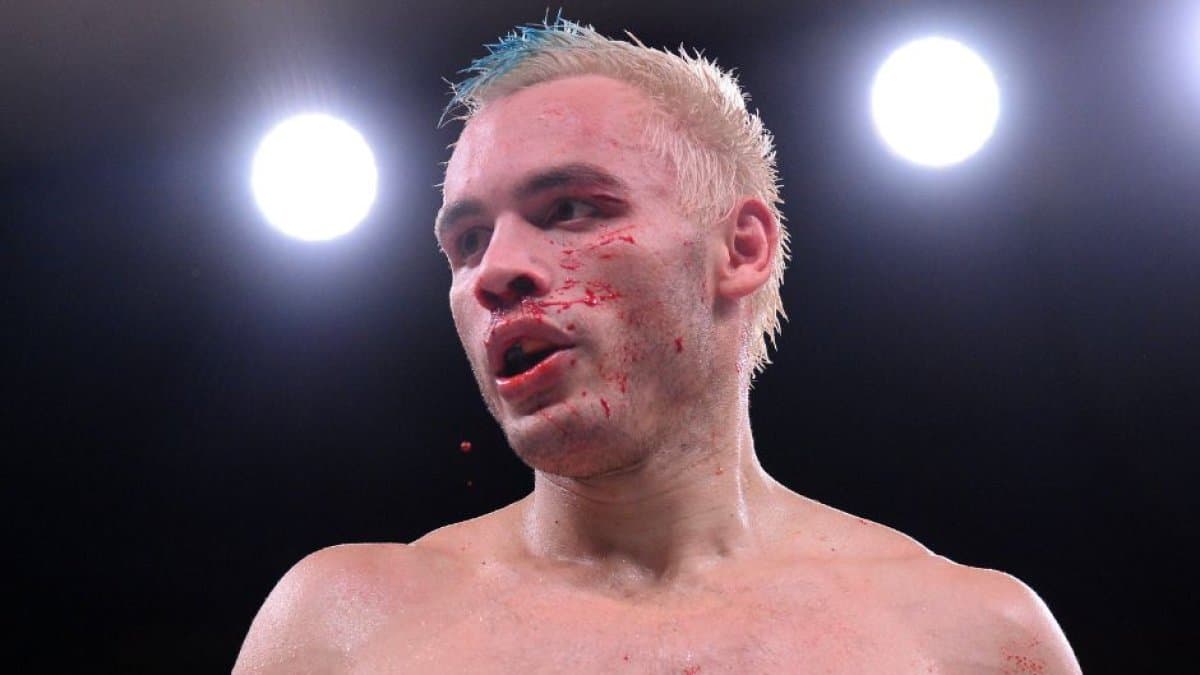
Mexican boxer Julio Cesar Chavez Jr., son of legendary boxer Julio Cesar Chavez, was deported from the United States and jailed in Mexico, barely a month after he had been detained by federal agents in Los Angeles under an active warrant in his home country.
According to documents from Mexico's National Detention Registry, Chavez Jr. was transferred from a border post to police custody and eventually held in the state of Sonora. Mexican President Claudia Sheinbaum confirmed the move during her Tuesday morning press conference: "I understand he was deported. I don't know if it was yesterday or this morning, but we were informed that he was going to arrive in Mexico. There was an arrest warrant [against Chávez Jr.]. This was communicated several weeks ago. When he was arrested in Los Angeles, there was already a warrant in Mexico from the Mexican Attorney General's Office."
The DHS' accusations
According to the Department of Homeland Security (DHS), the arrest of the 39-year-old boxer—who used to be a former World Boxing Council (WBC) middleweight champion—is due to accusations against him for alleged ties to the Sinaloa Cartel. The DHS confirmed that Chavez Jr. entered U.S. territory in August 2023 with a tourist visa and then subsequently applied for legal permanent residency, claiming marriage to a U.S. citizen. However, he is also credited with direct connections to the criminal organization “through a prior relationship with the now-deceased son of the infamous cartel leader Joaquin ‘El Chapo’ Guzman.”
In a statement, DHS Undersecretary Tricia McLaughlin gave more details about the case, revealing the seriousness of the allegations.
"This Sinaloa Cartel affiliate with an active arrest warrant for trafficking guns, ammunition, and explosives was arrested by ICE. It is shocking the previous administration flagged this criminal illegal alien as a public safety threat but chose to not prioritize his removal and let him leave and come back into our country. Under President Trump, no one is above the law—including world-famous athletes. Our message to any cartel affiliates in the U.S. is clear: We will find you, and you will face consequences. The days of unchecked cartel violence are over."
Finally, the DHS said that Chavez Jr. was also accused of making "fraudulent statements" in his application for permanent residency, for which he was declared subject to deportation on July 27.
After the DHS announced the Mexican national's detention last month, his lawyer, Michael A. Goldstein, spoke to NBCLA, describing the accusations as unfounded.
"This is the first we’ve ever heard of these outrageous allegations," he said, just after referring to another case involving his client, who was also arrested in January 2024 for illegally possessing an assault rifle.
"This appears to be nothing more than another headline to terrorize the Latin community," the attorney said. "In the case involving guns, a court granted mental health diversion, which Mr. Chávez was both eligible and suitable for under state statutes. He is in full compliance with his diversion, has completed all requirements asked of him, and we expect the case to be dismissed under the diversion statutes."
Relentless fight against cartels
The arrest of boxer Chávez Jr. in July coincided with a noticeable increase in immigration raids in California in general and the city of Los Angeles in particular after President Donald Trump made the fight against illegal immigration and drug cartels one of the centerpieces of his administration. These raids have detained thousands of illegal immigrants accused of crimes, with criminal convictions, or who simply overstayed their visas. Asylum seekers and, according to critics, migrants with legal status have also been detained.
From Mexican boxing promise to cartel ties
Born in Sinaloa, Chávez Jr. made his professional debut in 2002 and reached the peak of his boxing career in 2011, when he was crowned middleweight world champion, a title he defended up to three times. However, his career stagnated notoriously, weighing on his shoulders the fierce criticism of the Mexican press for his sporting ups and downs and various legal problems. His arrest, stemming from an alleged link to one of the most feared cartels in Mexico and the world, came days after losing a ten-round bout with influencer-turned-boxer Jake Paul.
🛠 Do you think there is an error in this article?
Recommendations
LATEST