Sharia in action: Homosexuals sentenced to flogging in Indonesia and LGBTQ+ activist arrested in Morocco
Both cases highlight the risks for those who defy established norms in Islamic countries.

Two recent situations have highlighted the risks faced by people living in Islamic countries just for defying established norms. In regions where sharia (Islamic law) inspired legal codes apply, everyday actions or critical expressions can result in severe penalties.
Public floggings in Indonesia for expressions of affection between men
In the Indonesian province of Aceh, known for its adherence to strict Islamic principles, a pair of 20- and 21-year-old university students recently faced harsh sentencing for gestures of intimacy. Caught by local authorities while kissing and hugging, the students were tried in a specialized court that applies religious rules.
The verdict, delivered behind closed doors except for the final reading, imposed 80 lashes each, arguing that such acts violate moral regulations that prohibit conduct seen as a precursor to unpermitted relationships.
The events occurred in April, when neighbors alerted police to their presence in a park restroom in the city of Banda Aceh. Although the prosecutors asked for a higher sentence of 85 lashes, the judges considered mitigating factors such as their good academic performance, cooperation during the process and absence of criminal record, also reducing four strokes for the time already spent in custody.
This region, the only one in the country to implement such measures thanks to a 2006 autonomy agreement, extended in 2015 its scope even to non-Muslims, who represent a minority. Penalties can reach 100 lashes for offenses such as alcohol consumption, gambling or dress deemed inappropriate.
This is not an isolated case; in February, another pair of men received similar punishments for private acts discovered by community watchmen.
Critics point out that these practices contradict the national penal code, which does not criminalize sexual orientation, and violate international commitments to protect minorities.
Activist arrested in Morocco for claiming that "Allah is lesbian"
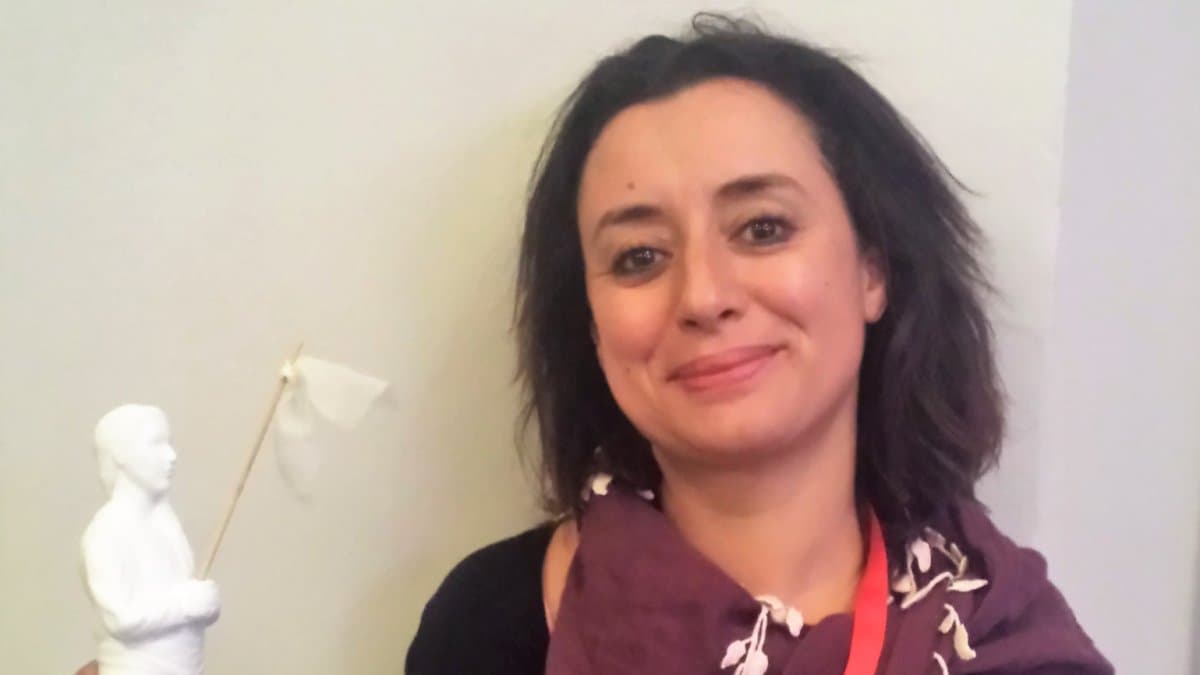
In Morocco, a feminist and LGBTQ+ activist was arrested after sharing content on the internet that authorities interpreted as offensive. Ibtissame Lachgar, a leading figure in movements for personal freedoms, posted an image in July of herself wearing a T-shirt with the caption "Allah is lesbian," accompanied by a text describing Islam, as well as "all religious ideology," as oppressive and discriminatory toward women.
The Rabat Public Prosecutor's Office launched an immediate investigation, calling the publication an affront to the predominant faith, which led to the publicly announced arrest. Under the local legal framework, such expressions can carry penalties of up to two years in prison and significant fines, which are aggravated if disseminated on publicly accessible digital platforms.
Lachgar reported suffering massive harassment online, including serious threats, in response to her post.
Islamic terrorists target thousands of Christians in Mozambique: Mass displacements and beheadings
According to MEMRI, the Islamic State Province in Mozambique (ISMP), an administrative division of ISIS, recently released 20 photos showing four attacks on "Christian villages" in the Chiure district of Cabo Delgado province in northern Mozambique.
The images reveal ISIS terrorists ransacking villages, burning a church and several houses, and beheading a member of what the jihadists consider "infidel militias" and two Christian civilians. The photos also show the bodies of several members of these militias, according to MEMRI's analysis.
🛠 Do you think there is an error in this article?
Recommendations




LATEST