U.S. reopens door to Mexican cattle after weeks of closure due to screwworm infestation
The reopening coincides with the announcement that neighbors reached an agreement to reopen a factory for flies used to combat the worm.
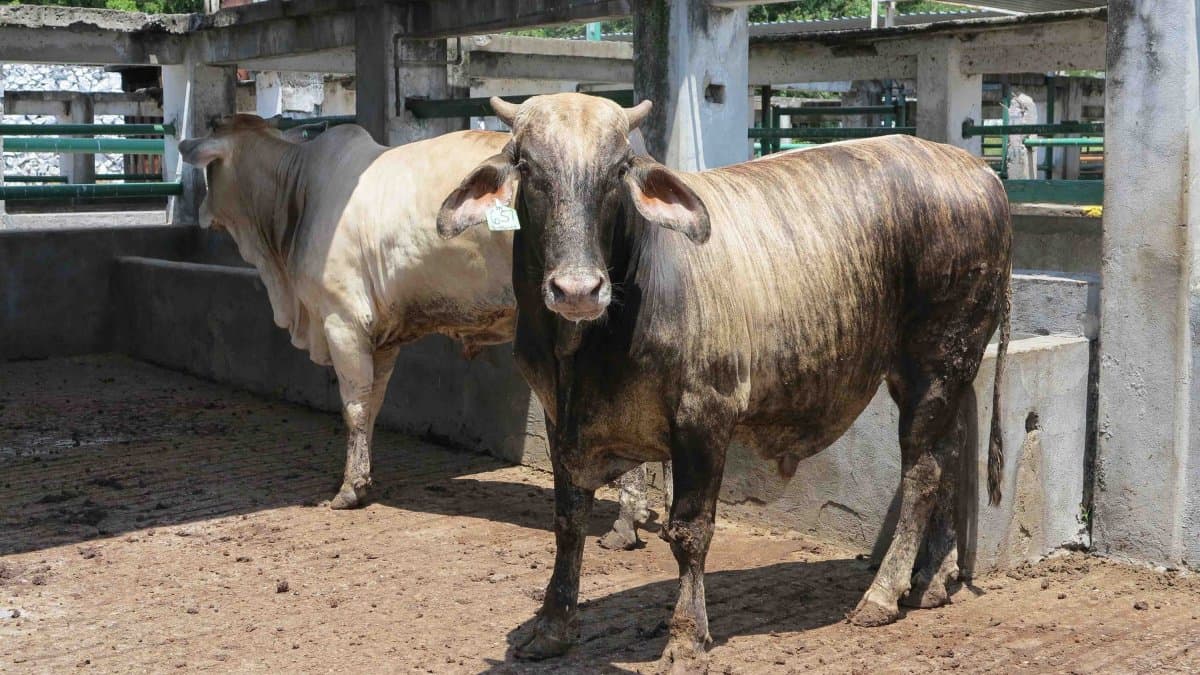

Mexico resumed the exportation of cattle to the United States on Monday following the gradual lifting of a blockade of nearly two months imposed by the White House over the rapid spread into Mexican territory of the cattle screwworm (Cochliomyia hominivorax).
On May 11, the White House ordered the closure of the border to cattle, bison and equine from Mexican partners until the Government of Claudia Sheinbaum got the plague under control. "The last time this devastating pest invaded America, it took 30 years for our cattle industry to recover. This cannot happen again," Agriculture Secretary Brooke Rollins said at the time.
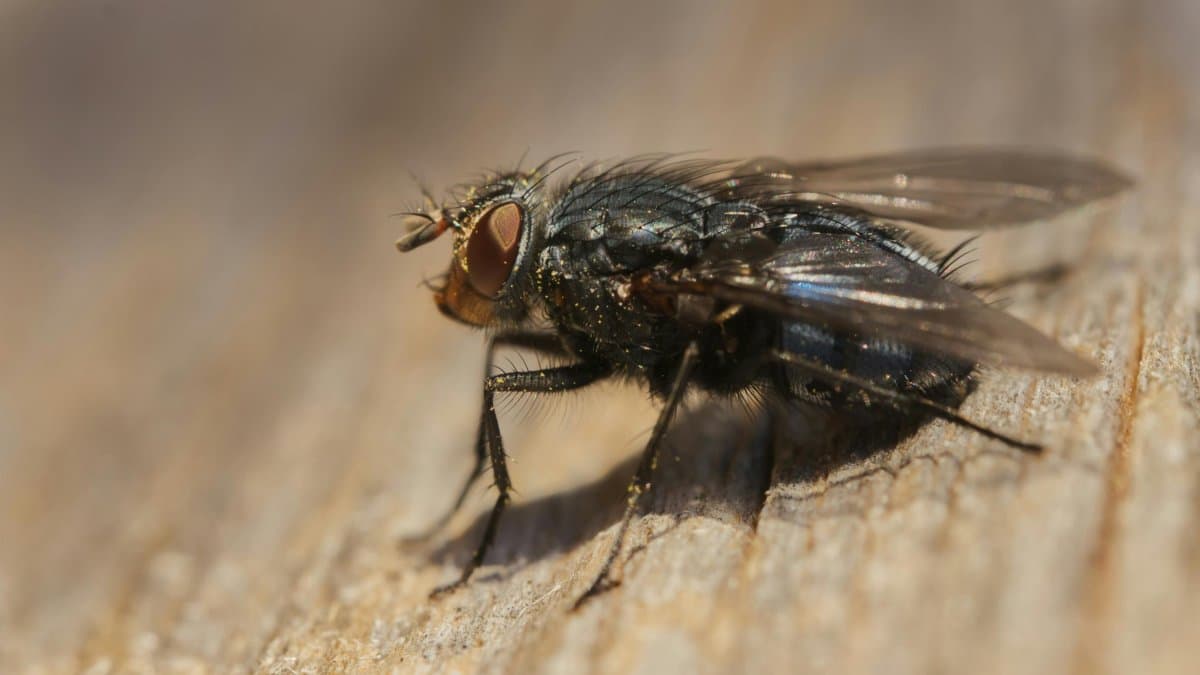
Female flies lay eggs on living things, mostly in open wounds. In just hours, the eggs hatch into larvae that eat the flesh around them. Although it mainly affects farm animals, it can also infect domestic animals such as dogs and cats and even humans.
"The first head of cattle have already crossed into the United States from Agua Prieta, Sonora, there are about 900," Mexican Secretary of Agriculture, Julio Berdegué announced. "This progress is the result of the joint work to regularize the cattle trade and reinforce the actions against the screwworm in the south and southeast of the country."
The reopening coincides with reports that both governments have agreed to put into operation a plant for the production of sterile flies, which are used to combat the worm. The project will have an initial investment of US$21 million to recover a facility that has been closed for 12 years, according to a report by Mexican newspaper El Universal.
The objective is to then release the male flies, which, being sterile, will stop the reproduction of the pest. Just as was recently done in Panama:
Warning for Americans in Nicaragua
The U.S. embassy stationed there issued an alert over the growth of the pest, noting that local authorities recorded a total of 124 human infections in the last year.
They therefore recommended visiting official websites for information, as well as those of health and travel insurance providers. In addition, they pointed out when to seek medical assistance: "If you notice unusual wounds or lesions that worsen or contain maggots" or "if you experience severe pain, redness, swelling, or infection of any wound."
🛠 Do you think there is an error in this article?
Recommendations









LATEST