ANALYSIS
The (new) Star Wars: World powers accelerate the race for space dominance
Technological advances and a diversity of players, from the Kremlin to Elon Musk, have created an increasingly "complex and perilous" situation in outer space. Learn about the U.S. strategy and its key risks.
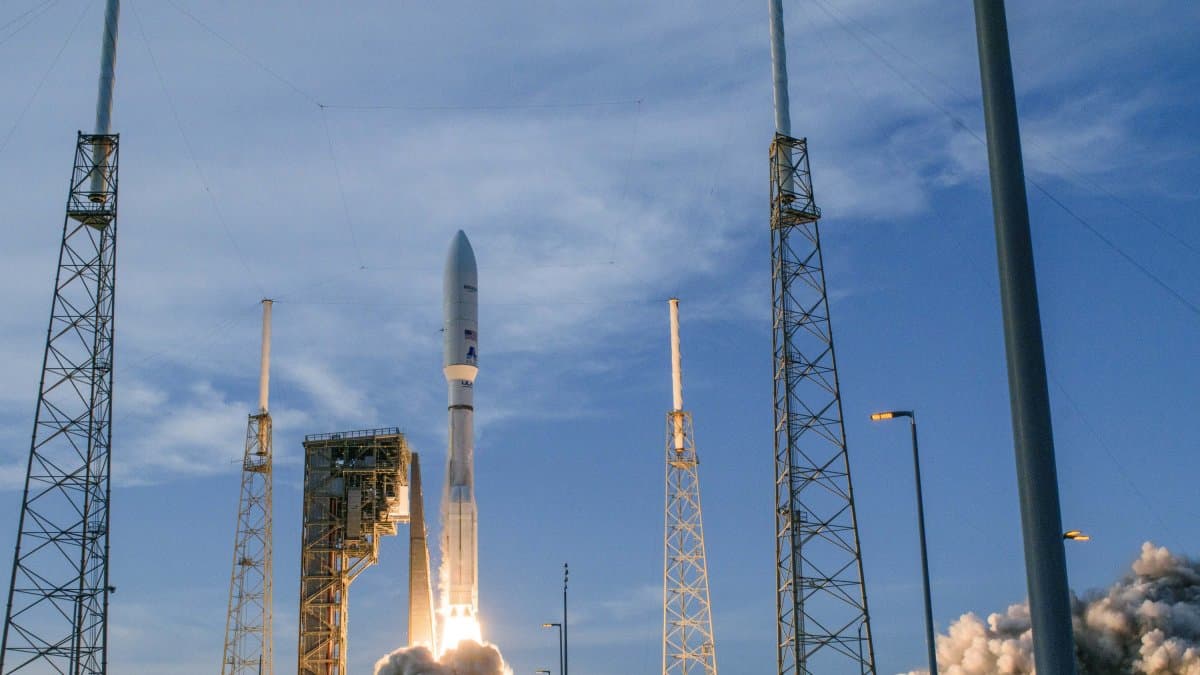

If war breaks out tomorrow, forget "Apocalypse Now," "Dunkirk" and "1917." Think "Star Wars." Although with fewer lightsabers, the space war of tomorrow is being rehearsed today by means of skirmishes that are, for the moment, exploratory and discreet: a Chinese (presumed spy) satellite maneuvering so that the United States cannot take pictures of it, Russia putting an (alleged) prototype anti-satellite nuclear weapon into orbit.
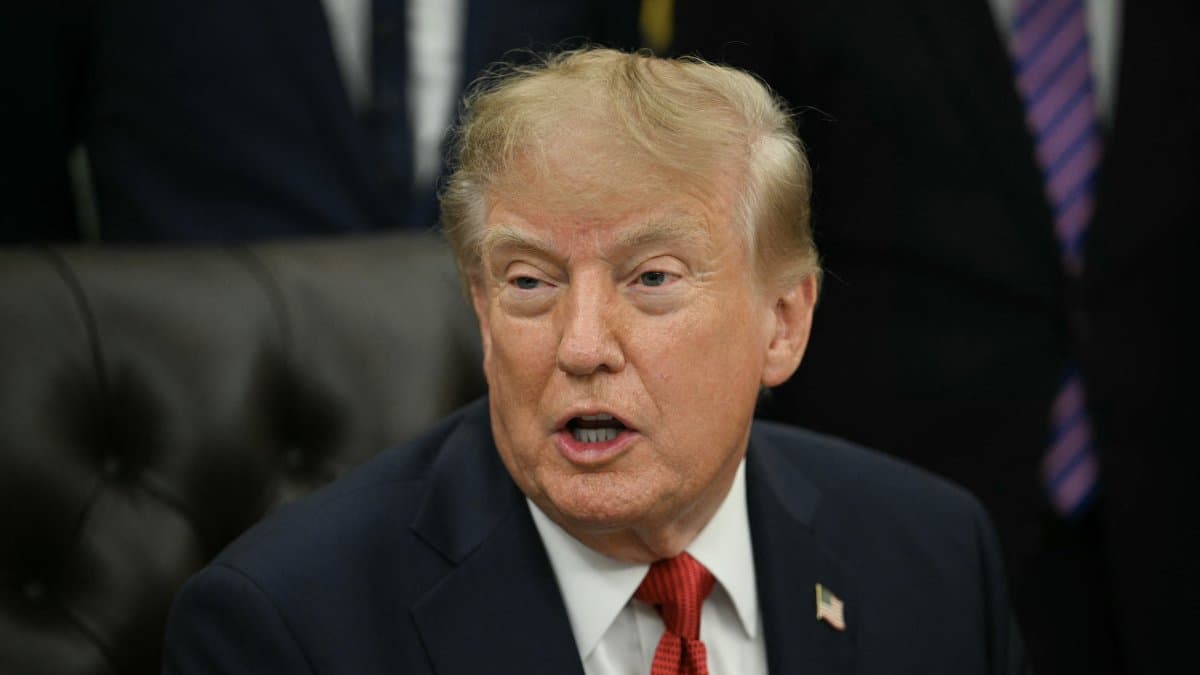
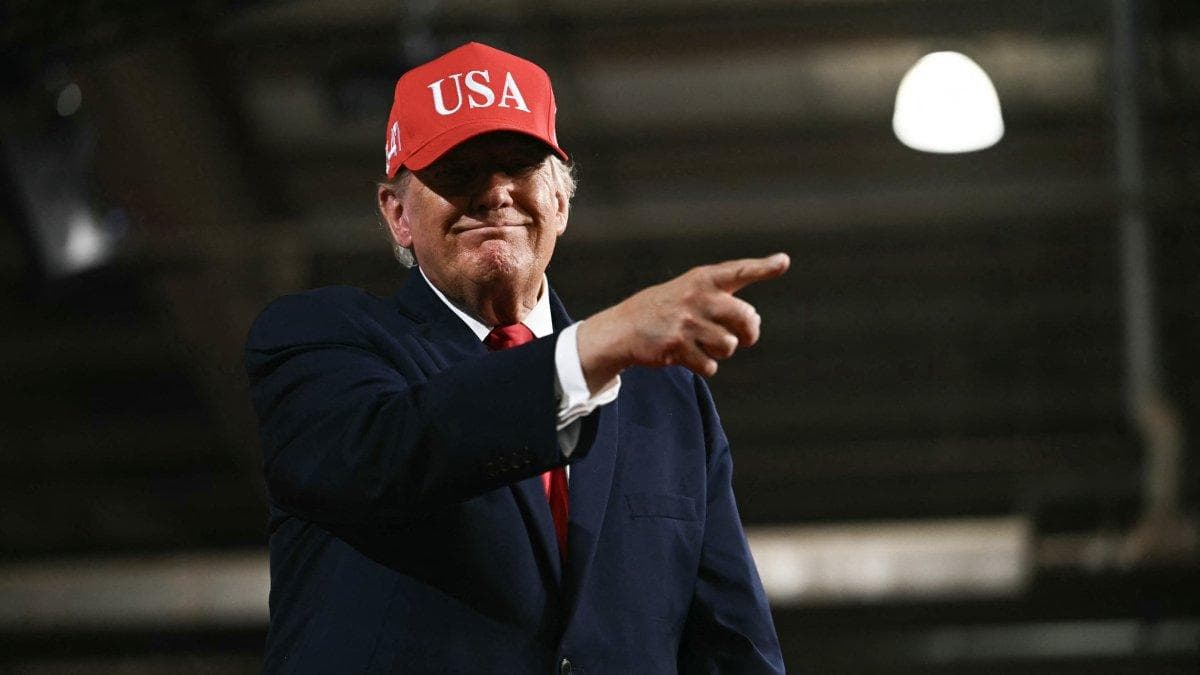
Donald Trump announced the next step in the United States' strategy: the Golden Dome, a shield to protect the country from a missile attack.
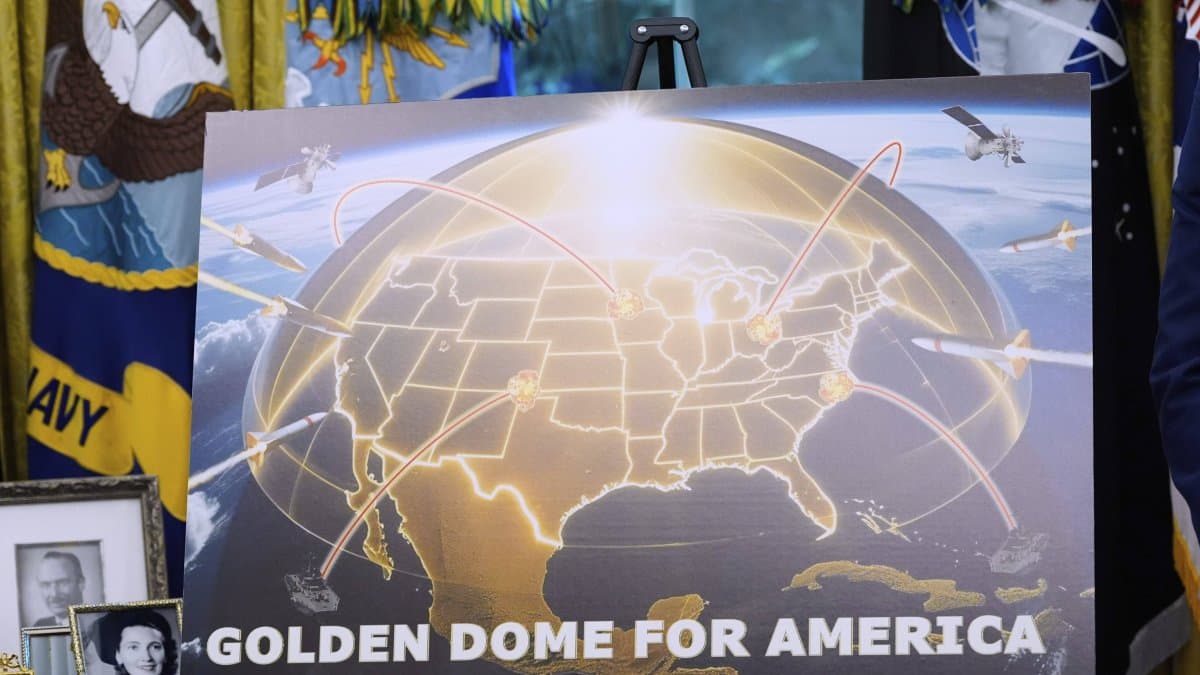
Beyond suspicions surrounding the cost and actual duration of the project, the announcement undoubtedly revived Ronald Reagan's dream of a defense system in space. Officially called the Strategic Defense Initiative, it was dubbed "Star Wars" by its detractors because it seemed more at home in science fiction. Or from a galaxy far, far away.
Although the program was never completed, some historians claim it helped hasten both the end of the Cold War (the faltering Soviet economy could not afford such an expense) and American entrepreneurialism, both down here and up there.
The picture, today, is very different. Just this year the Intelligence Community's annual report on threats to the nation made special mention of space:
"State adversaries have weapons that can strike U.S. territory, or disable vital U.S. systems in space, for coercive aims or actual war. These threats reinforce each other, creating a vastly more complex and dangerous security environment," it said.
Space Force
If for air there is the Air Force and for land the Army, for space the Space Force was born.
Created by Trump during his first term, it has 15,000 members (called "guardians"), including uniformed and civilian personnel. Since its emergence in 2019, space activity around the world has only increased: launches into space grew by 488%, while active spacecraft in orbit by 400%.
"The strategic landscape in space is becoming increasingly complex and perilous," General Michael Guetlein, guardian of the Special Force and head of the Golden Dome program, warned before the Senate.
"Our competitors are jamming GPS signals, spoofing and disrupting satellite communications, and developing advanced anti-satellite weapons. Unfortunately this behavior has become the norm rather than the exception," he added.
The agency, he warned, lacks sufficient resources. Among other billions allocated to the force, the government budget bill, still subject to change and approval, sets aside $175 billion for the Golden Dome.
Two words: Competitive Endurance
Guetlein remarked to senators, again and again, the importance of "Competitive Endurance." The term is little known outside specialized circles, but it is key to force strategy. The goal is that adversaries are neither so desperate nor so emboldened as to launch a space attack. And that, if they do, space quickly turns red, white and blue.
"Competitive Endurance" rests on three pillars: not being blindsided by other countries' capabilities or intentions, not ceding first-strike advantage, and defusing day-to-day threats (such as sabotage and disruptive actions).
"The goal of our resiliency efforts is to make preemptive attacks against U.S. interests in space impractical and self-defeating," explains a Space Force info sheet. The strategy addresses particularities of the space scenario, such as that the destruction of material in space puts military capabilities on Earth at risk:
"The entire military force structure has been designed and sized around the assumption that it will have access to space capabilities like positioning, navigation, and timing data; space-based intelligence capabilities; and the ability to communicate anywhere on the planet. The increasingly contested operational environment in space threatens the satellites the Joint Force depends on," it continues.
In addition, the plan must integrate technological advances, as retired Col. Sergio De La Peña explained to VOZ: "You have to keep in mind that technology is constantly changing." He says that developments in artificial intelligence are a prime example. "One has to know how to blend, how to integrate all these systems to defend our homeland."
China and Russia on the prowl in space
"China has eclipsed Russia as a space leader," the Intelligence Community report notes, "And is poised to compete with the United States as the world’s leader in space."
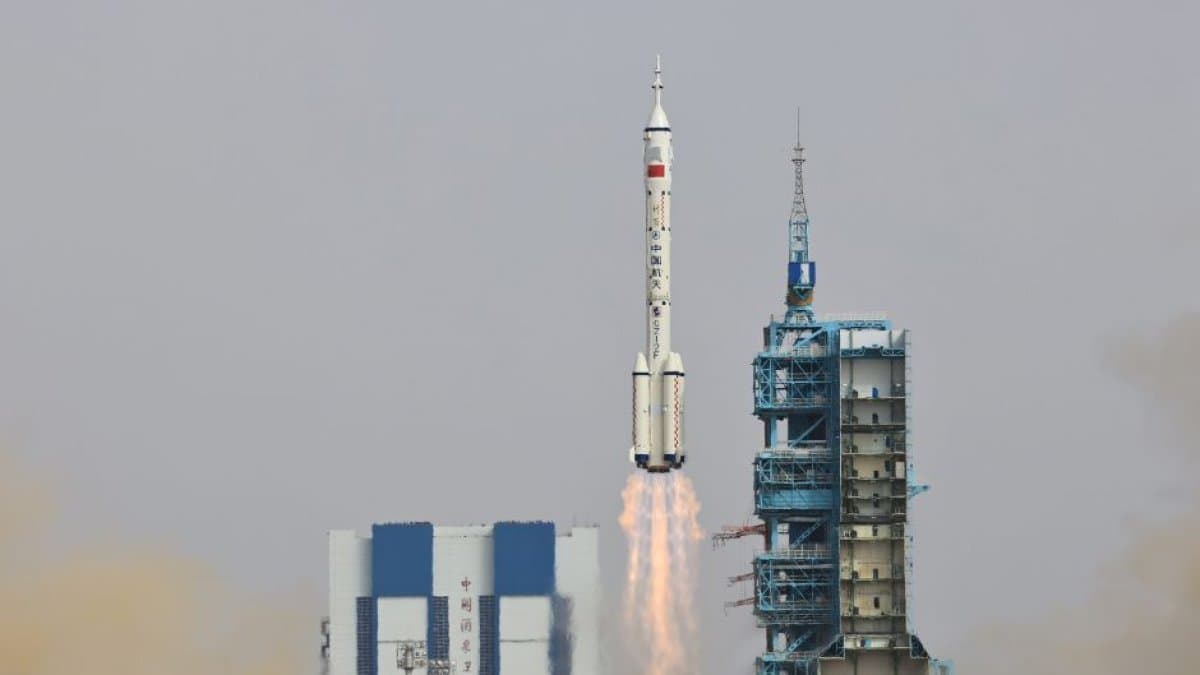
It has its own satellite navigation system, Beidou, which competes with the U.S. GPS. In 2024 it launched 68 rockets into space, a record of its own. Last year it also became the first country to moon land on the far side of the Moon. Its private sector also launched its own satellite network to compete with Starlink.
Experts warn that space advances, whether scientific or commercial, have a high potential for dual military use, especially in a country like China, where the Communist Party permeates all layers of society. Therefore, the advances named above must be added to the Chinese space arsenal: anti-satellite weapons and long-range missiles.
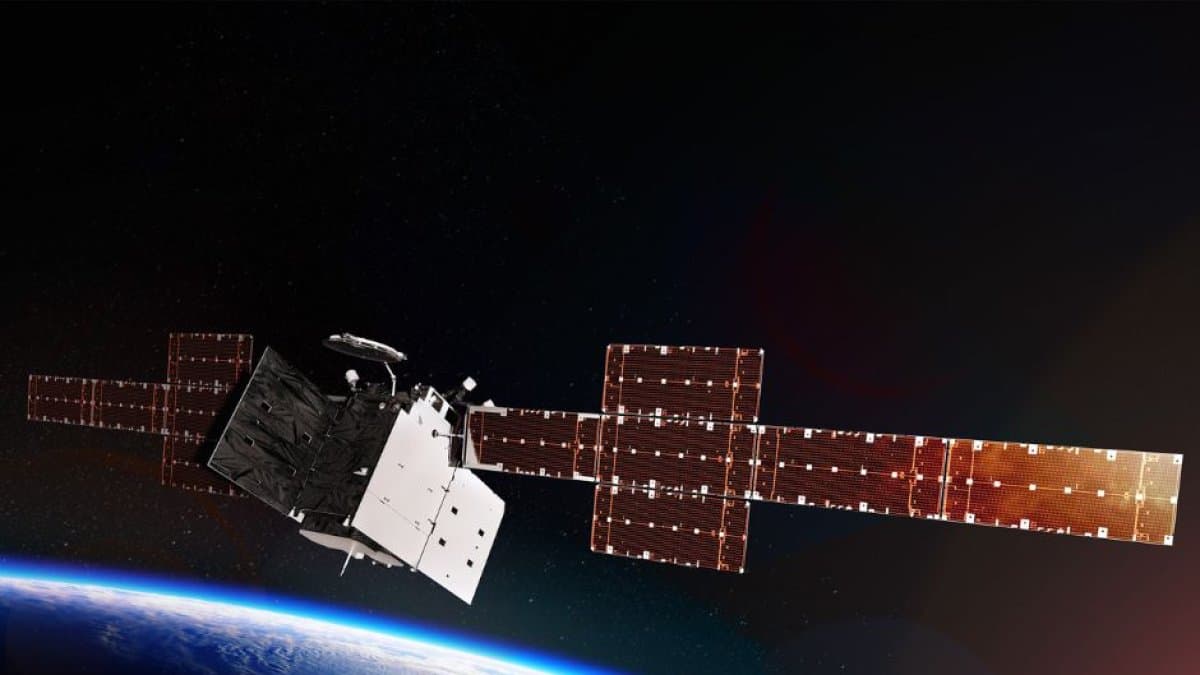
"The U.S. remains the leading space power," according to Air University, an Air Force education institute. The importance of space architecture to the country, they asserted in a report, can make it "an irresistible target" in the event of war.
Russia's situation is quite different. Although it is a rival to be reckoned with, far gone are the Soviet days of the first satellite and the first man in space. "Despite its Soviet legacy, the war in Ukraine has revealed glaring deficiencies in Russia’s space-based architecture," the intelligence agencies maintained.
Moscow prioritizes, they added, its military space ventures ahead of civilian ones. In addition to making use of private industry, both foreign and domestic, it warned that it would consider other countries' commercial infrastructure a "legitimate target" if, in its eyes, it is used for war purposes.
The Starlinks and SpaceXs
Shortly after Russia invaded Ukraine, Elon Musk put hundreds of satellites from his company Starlink at the service of the invaded country. Russian troops targeted internet devices, and according to the specialized organization Secure World Foundation, "cyber attacks on space systems are likely to occur as part of future armed conflicts which incorporate more military and commercial space systems."
China, according to Secure World Foundation, has been studying technology to dismantle infrastructure like that of SpaceX since 2022.
In addition to allied nations, the United States "increasingly" invites "commercial partners" in its space war games. Even access to space relies on the private sector: 87% of U.S. launches last year were conducted by SpaceX, according to data from NASASpaceFlight.com, and more than half of launches worldwide.
The Air Force is trying to minimize this dependence by diversifying. The goal is to build "hybrid space architecture," and to dominate space.
🛠 Do you think there is an error in this article?
Recommendations






LATEST