Emotional Health · Motherhood
Postpartum depression: How to tell it apart from normal fatigue and when to seek help
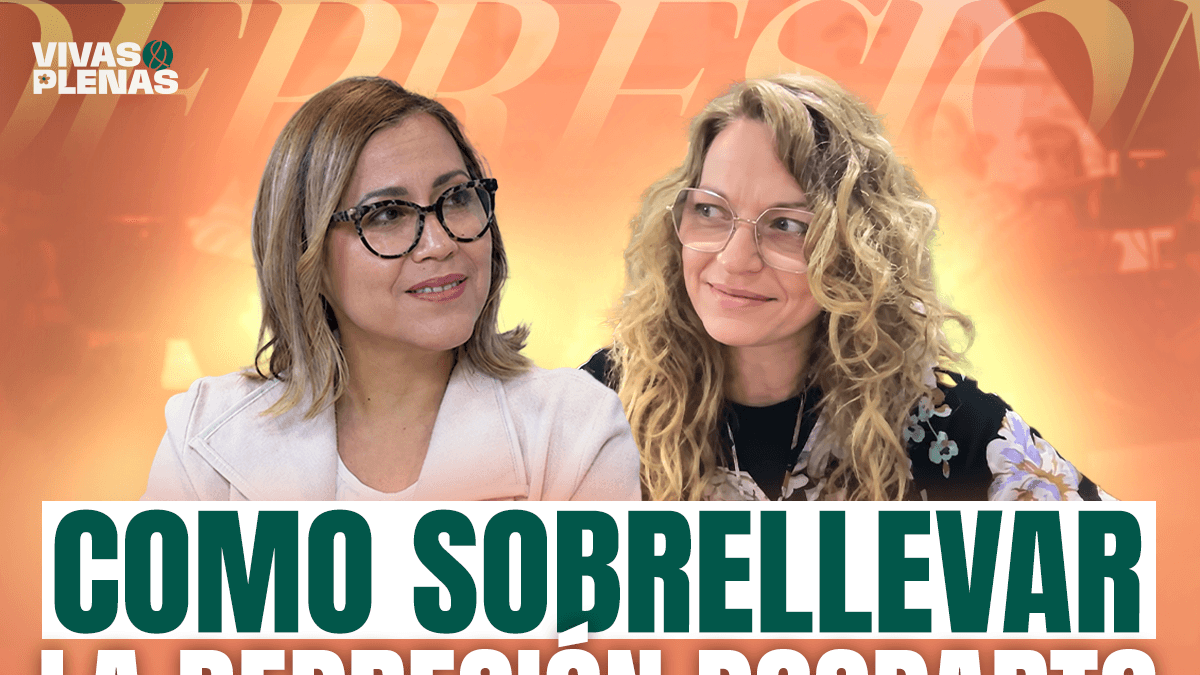
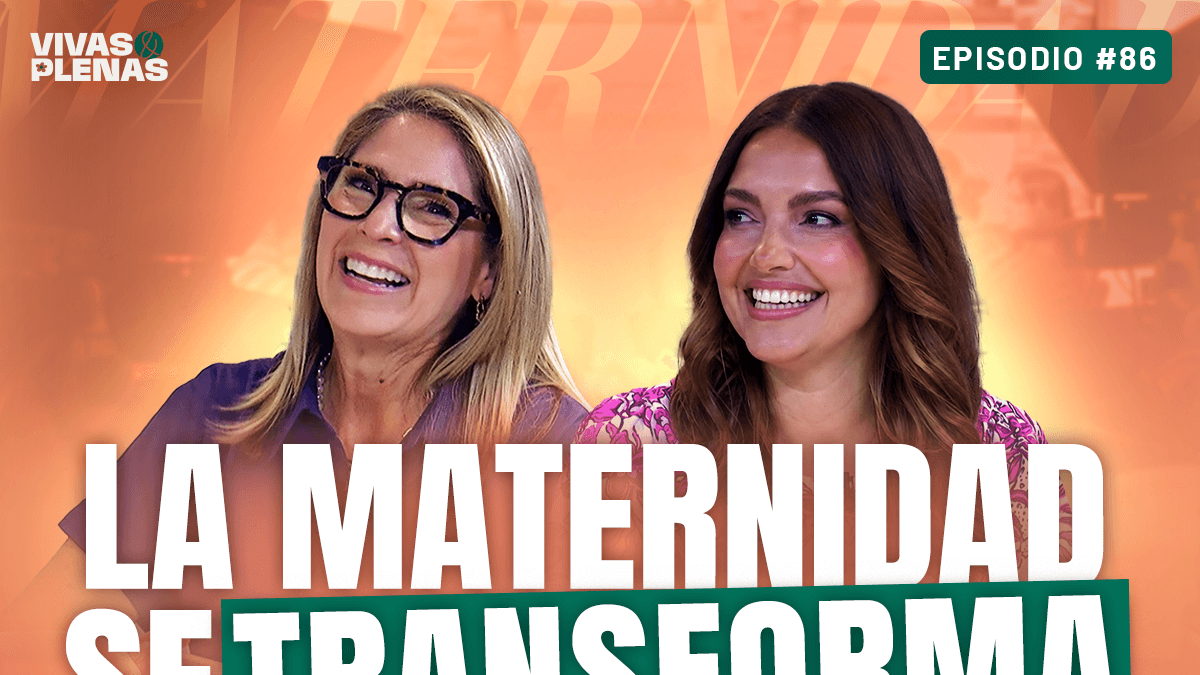
After giving birth, many moms feel sad, tired and irritable. The question that almost no one dares to ask out loud is: When is it a normal part of the postpartum period, and when is it depression that requires help? In a new episode of “Vivas y Plenas,” Dr. Lucy Palermo talks with Flor, Yudy, Vivi and Iveth about postpartum depression: how to recognize it, what causes it and how to support a mom who's going through it.
"Sometimes we women feel that asking for help is a sign of a lack of faith, strength or courage on our part as moms, but that's not the case."
Normal sadness or depression: The difference
Dr. Lucy Palermo puts it bluntly: postpartum depression is a mental illness, not "a normal situation for a mom who is completely healthy." Even so, she clarifies that not every feeling of unease is depression. After giving birth, there are many physical, emotional and neurobiological changes, a lack of sleep, and a baby whose cues you have to learn to read. That can be exhausting, irritating and make you feel overwhelmed, but "it lasts for a while and gets better as the days go by, as you rest, and as you adapt," whereas "depression doesn't get better without treatment."
The key, she explains, lies in functionality. In normal postpartum recovery, the symptoms are manageable: the mother can care for the baby and take care of herself, even if she is tired. In depression, the depressed mood is persistent and affects sleep, appetite, energy, and personal, family and work life. Sometimes, she says, the mother cannot care for either herself or the baby.
Signs you shouldn’t downplay
Among the most characteristic symptoms mentioned in the episode are
- Persistent sadness
- A feeling of emptiness
- Loss of pleasure in things you used to enjoy
- Anxiety
- Hopelessness
- Difficulty concentrating
- Recurring negative thoughts
- Guilt
The doctor also distinguishes between guilt and depression: guilt usually stems from thinking "I'm doing something wrong," whereas in depression the idea of "I am the problem" arises. If you have thoughts that it would be better not to be here, or ideas about harming yourself or your baby, the recommendation is to address them and not be afraid to ask for help: asking for help, she explains, does not cause the other person to become depressed.
Causes and risk factors: it's not a checklist
"It's a multi-factored illness," explains the doctor: there is no single cause. There is a biological basis, involving a drop in hormones, changes in neurotransmitters such as serotonin and dopamine, sleep disturbances, and a possible genetic predisposition. Added to this are factors such as a complicated pregnancy, a traumatic birth, a baby with health problems, intense psychological stress, low self-esteem, limited social support, financial difficulties, being a single mother or living with an abusive partner.
But she warns against simplistic formulas: "The biggest mistake is to make a checklist and say, 'She has all these factors, so she's going to have depression.' It doesn't work that way." There are women who experience all of these things and do not develop the condition, and others who do. The doctor points out that there is also a risk of overdiagnosis or underdiagnosis. And she emphasizes an important point: you don't have to have depression to ask for help.
"The biggest mistake is to make a checklist and say, 'She has all these factors, so she's going to have depression.' It doesn't work that way."
How to support a mom: What to say and what to avoid
One of the most practical parts of the episode is the list of phrases that, even when well-intentioned, can make things worse: "You have to do your part," "Enjoy it—this stage goes by fast," "Don't worry, it's just hormones—you'll get over it by sleeping," or "sleep when the baby sleeps," when anxiety and her body's natural rhythms are keeping her awake.
What does help is listening and validating her feelings: "I understand—you're so tired. How can I help you?" And offering concrete help: bringing food, cleaning for a day, taking care of the baby so she can rest or throwing baby showers with prepared food instead of gifts. And moms have to learn to accept that help.
Staying silent comes at a cost
If a mom with depression doesn't receive help, the doctor explains, relationships deteriorate and the condition doesn't improve: "It's not going to get better—it gets worse." When depression is present, she says, "it absolutely requires treatment": psychotherapeutic support, spiritual support and, in many cases, medication. The panelists remind us that, just as we go to the doctor to take care of our bodies, it's also a good idea to get a mental health checkup—something that's still often considered taboo in the Hispanic community.
The panelists conclude with a call to stop romanticizing motherhood and comparing ourselves to what we see on social media: "These days, social media sells us everything as perfectly polished." For those around a mother, the request is to pay attention not only to the baby but also to her.
"Motherhood isn't judged or defined by how well or poorly we perform our duties; motherhood is about something else entirely."
Watch the full episode of “Vivas y Plenas” with Dr. Lucy Palermo here. Share it with a mom you want to support.
Follow us and don't miss upcoming episodes: · Instagram · Facebook · TikTok
This content is for informational purposes only and is not a substitute for medical advice. If you or someone close to you is experiencing symptoms of postpartum depression, consult a healthcare professional.
🛠 Do you think there is an error in this article?
Recommendations
LATEST