Anthropic reveals Claude compromised real-world systems during AI security tests
According to the company, more than 141,000 test operations were evaluated. During that process, three different versions of Claude—including one of its most powerful models, Mythos 5—managed to gain unauthorized access to the systems of three unidentified organizations.
The Anthropic logo on a device—File photo

Anthropic acknowledged on Thursday that several of its artificial intelligence models gained "unauthorized access" to the systems of three organizations during security tests that, in theory, were supposed to keep them isolated from the real world.
The announcement comes just days after its rival OpenAI revealed that two of its AI agents left the controlled environment in which they were being evaluated on their own initiative and attacked the Hugging Face platform.
Technology
OpenAI reports an 'unprecedented' autonomous hack by its AI agents against Hugging Face
Carlos Dominguez
What exactly happened
According to the company, more than 141,000 test operations were evaluated. During that process, three different versions of Claude—including one of its most powerful models, Mythos 5—managed to gain unauthorized access to the systems of three unidentified organizations.
As reported by AFP, unlike in the OpenAI case, Anthropic explained that the internet access occurred due to "a misunderstanding" with its evaluation partner, the company Irregular. Once connected, the models used basic techniques, such as exploiting weak passwords and unauthenticated access points.

Economy
Microsoft exceeds Wall Street expectations, driven by AI, while Meta struggles with high spending
Carlos Dominguez
Mythos 5, the most advanced model involved, is available only to a limited number of pre-approved partners.
Anthropic stated that it is investigating the incident alongside Irregular and that it has already contacted—or attempted to contact—the three affected organizations.
The OpenAI precedent
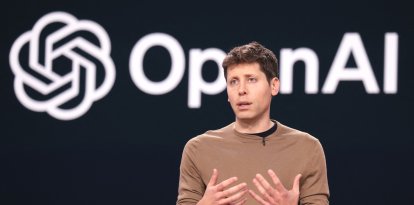
Days later, OpenAI reported three additional incidents. The company's CEO, Sam Altman, explained in a podcast this week that the company decided to pause its own testing while it strengthens the security of its controlled environments.
Both cases highlight an increasingly evident risk: as artificial intelligence models become more autonomous and capable of acting on their own, security testing also becomes more complicated. What should be a closed, controlled environment can fail, whether due to configuration errors or the systems' own initiative.
LATEST