ANALYSIS
Cardinal Cupich and two orders of nuns sue Illinois days before a law on assisted death takes effect
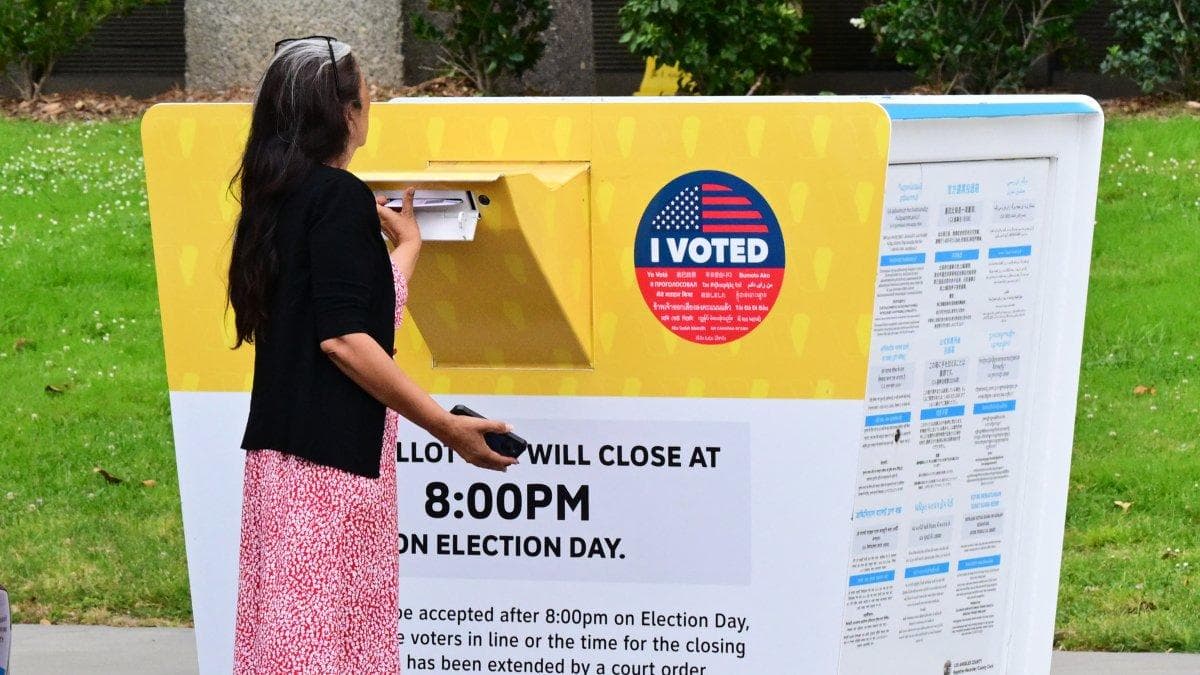
The EOLOA law, signed by Gov. JB Pritzker in December 2025, allows adults with a prognosis of six months or less to request lethal medication with the approval of two doctors.
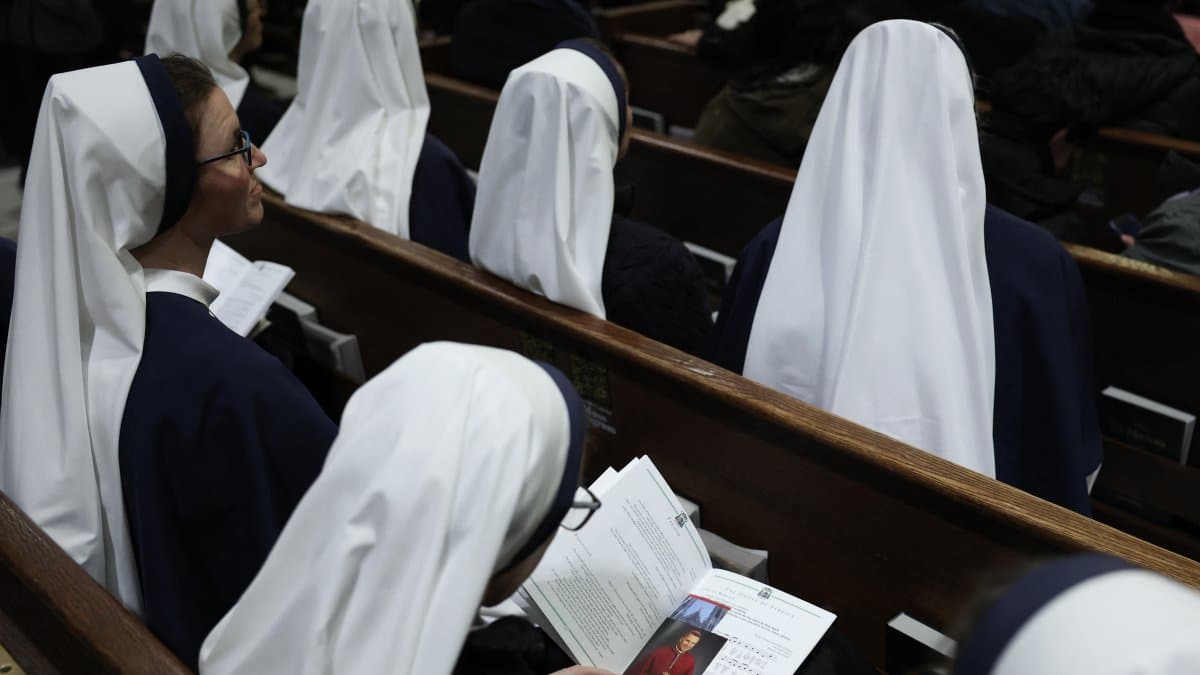

Cardinal Blase Cupich, Archbishop of Chicago, two congregations of nuns and an Illinois pharmacist have asked a federal court to block the End-of-Life Options for Terminally Ill Patients Act (EOLOA), the state law on end-of-life options, before Sept. 12, when it is set to take effect.
As reported by Life News, the lawsuit, Carmelite Sisters for the Aged and Infirm v. Prince, was filed on Sept. 3 by the Becket Fund in the Northern District of Illinois. Along with Cupich, the plaintiffs include the Carmelites for the Aged and Infirm, the Little Sisters of the Poor of the Chicago Province and Luke Vander Bleek, a pharmacy owner in Morrison. They are suing officials from the Department of Public Health, the Department of Professional Regulation and the Department of Veterans' Affairs.
What the law requires and why they are challenging it
The EOLOA law, signed by Gov. JB Pritzker in December 2025, allows adults with a prognosis of six months or less to live to request lethal medication, with the approval of two physicians.
The plaintiffs not only refuse to prescribe the lethal medication. They argue that the law also requires them to inform the patient of that right, to apply to meet the eligibility requirements, and to refer the patient to someone who will dispense it, and that it requires a conscientious objector pharmacist to fill the prescription or refer the patient to another pharmacy. Anyone who refuses faces fines. They also argue that the definition of coercion is so broad that it could punish a pastoral message opposing suicide.
Politics
Nearly 70% of Americans reject mail-order abortion: A poll that sets the stage for the midterms
Carlos Dominguez
Caring for the dying, not hastening death
Cupich maintained that the Gospel calls for accompanying the sick person until natural death and not pushing them toward suicide. "The Gospel calls us to uphold the inviolable dignity and worth of the human person, from life’s first moment to its natural end." The cardinal also rejected the idea that the state should make them participants in assisted dying. "As Catholics, we oppose efforts to undermine human dignity by pushing our brothers and sisters toward suicide."
The prioress of the Carmelites, Mary Rose Heery, said: "Our residents come to us at one of the most vulnerable moments of their lives. Our vocation is to give witness to them, through everything we do, that their lives remain precious and that they will never be abandoned. Illinois cannot ask us to replace that promise with help ending their lives." Vander Bleek stated that he became a pharmacist to heal, not to hasten death.
For its part, the Becket Fund wrote in X: "First New York. Now Illinois. Another state is trying to force nuns and other Catholic healthcare ministries to betray their faith by facilitating assisted suicide—and this time, Illinois is threatening to punish them for speaking their life-affirming mission."

It's not the only front
On Sept. 12, the law takes effect for the rest of Illinois' healthcare system unless a court blocks it. The Cupich case seeks precisely that stay. So far, the docket shows no ruling on the merits. With only a few days remaining, the Catholic conscientious objection remains without a legal framework covering all those who have filed lawsuits.
🛠 Do you think there is an error in this article?
Recommendations






LATEST