







No verdict in Lindsay Clancy case: Judge declares mistrial
The judge temporarily stayed his decision to allow the defense to file an emergency appeal. Eleven of the twelve jurors reportedly leaned toward finding the woman not criminally responsible on mental health grounds.
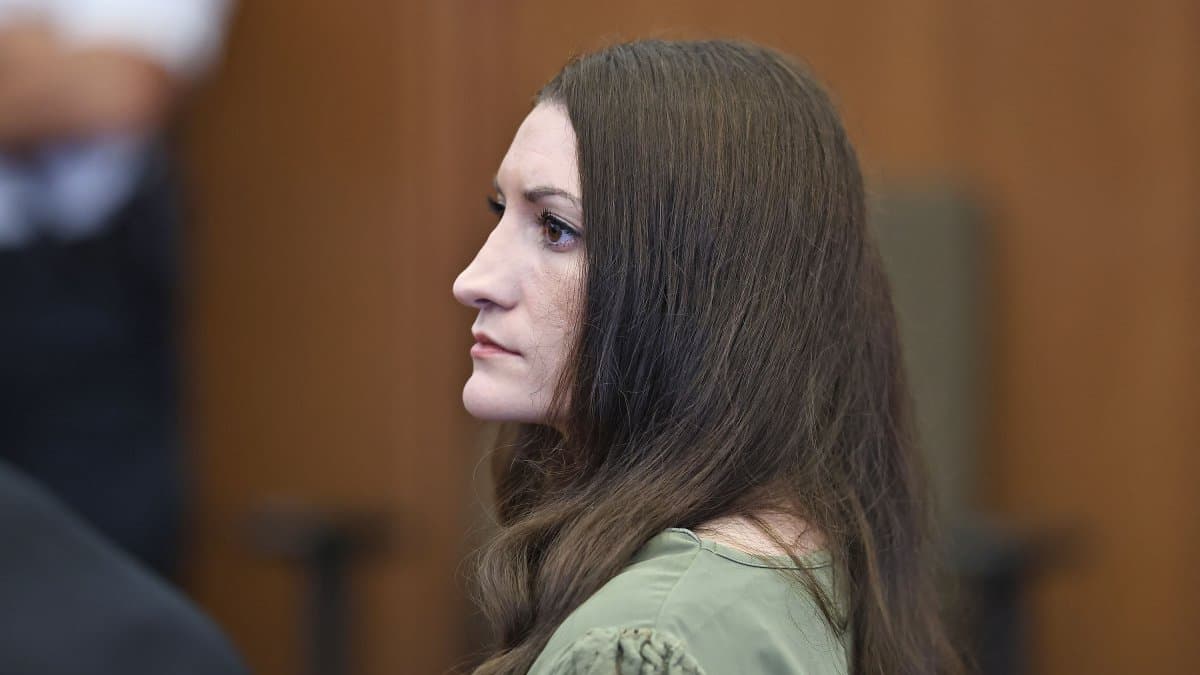

A judge in Massachusetts declared the trial against Lindsay Clancy a mistrial on Friday. Clancy is the woman accused of killing her three children in 2023, after the jury was unable to reach a unanimous verdict following seven days of deliberations.
Plymouth County Superior Court Judge William Sullivan announced that he saw no other alternative given the jury's deadlock, although he temporarily stayed the implementation of his decision to give the defense one hour to file an emergency appeal with a higher court.
The jury, composed of nine women and three men, was split 11 to 1. According to testimony presented during the trial, eleven members apparently agreed on the same verdict, while a single juror prevented the required unanimity from being reached.
The controversy escalated after the jury foreman informed the judge that one of the jurors admitted to having doubts about the case, but allegedly refused to apply the instructions regarding the "reasonable doubt" standard. The defense requested that this juror be removed, but Sullivan denied the motion.

A case focused on criminal liability
Clancy, 36, a former maternity nurse, has not denied killing her three children—Cora, 5; Dawson, 3; and Callan, 8 months—in January 2023 at the family home in Duxbury, Massachusetts.
According to the indictment, she strangled them in the basement of the house and subsequently jumped from a second-story window in an attempt to take her own life, leaving her paralyzed from the waist down.
The central issue of the trial was whether Clancy could be considered criminally responsible at the time of the events.
Her attorneys argued that she was suffering from severe postpartum psychosis and that her mental state prevented her from fully understanding the nature and consequences of her actions. During the trial, they also presented evidence regarding the psychiatric treatments and medications she received in the months leading up to the deaths.
The prosecution, on the other hand, argued that Clancy knew what she was doing and acted deliberately. Prosecutors pointed out, among other things, that she sent her then-husband out of the house to pick up food and estimated that she knew how long he would be gone.
The trial lasted about five weeks and featured more than 80 witnesses, including family members, doctors, psychologists, and psychiatrists.
Society
Who is Kailey Erhart, the mother accused of killing two of her children in North Dakota?
Williams Perdomo
What happens now?
The prosecution will now have to decide whether to request a new trial before a different jury, drop the charges, or reach some kind of agreement with the defense.
The case has garnered widespread attention in the United States and has reignited the debate on postpartum psychosis, mental health care following pregnancy, and the limits of criminal responsibility for people with severe psychiatric disorders.
🛠 Do you think there is an error in this article?
Recommendations








LATEST