Starting in 2027, Florida will restrict the admission of undocumented students to public universities
The state Board of Governors unanimously approved a new rule that will prevent individuals without legal immigration status from enrolling in certain public universities. Students who are already enrolled will be allowed to complete their degrees.
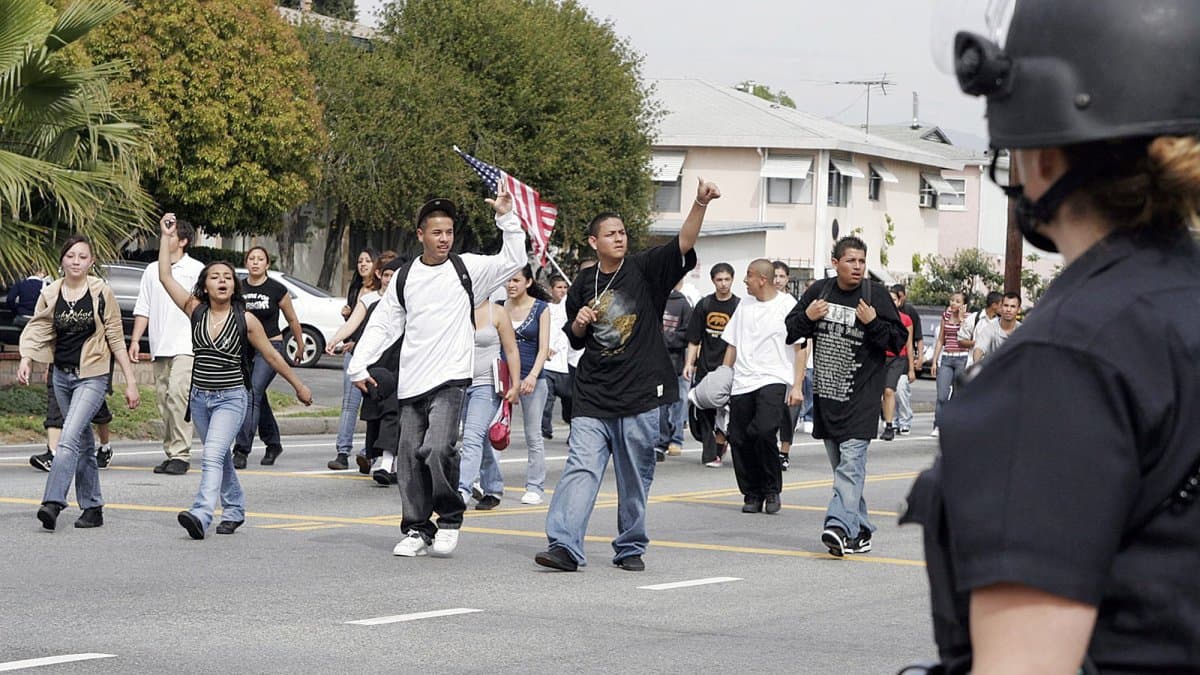

The Florida Board of Governors approved on Thursday an amendment to its admission policies that will restrict, starting in 2027, the admission of undocumented students to the state's public universities.
The decision was adopted unanimously during the Board's meeting held on Sept. 3 at Florida Gulf Coast University and constitutes an amendment to Regulation 6.001, which establishes the general admission policies for the Florida State University System.
Under the measure, universities that during the previous two years have been unable to accept all academically qualified applicants due, among other factors, to capacity limitations may not admit new students who are in the United States without legal immigration status.
This means that the restriction is aimed specifically at public institutions with enrollment demand exceeding their capacity. The State University System consists of 12 universities, including the University of Florida (U.F.), Florida State University (FSU), the University of Central Florida (UCF), and Florida International University (FIU).
The board explained that state universities establish their admission policies based on the minimum requirements set by the agency and that, due to limitations on space, faculty and resources, some academically qualified applicants may be rejected.
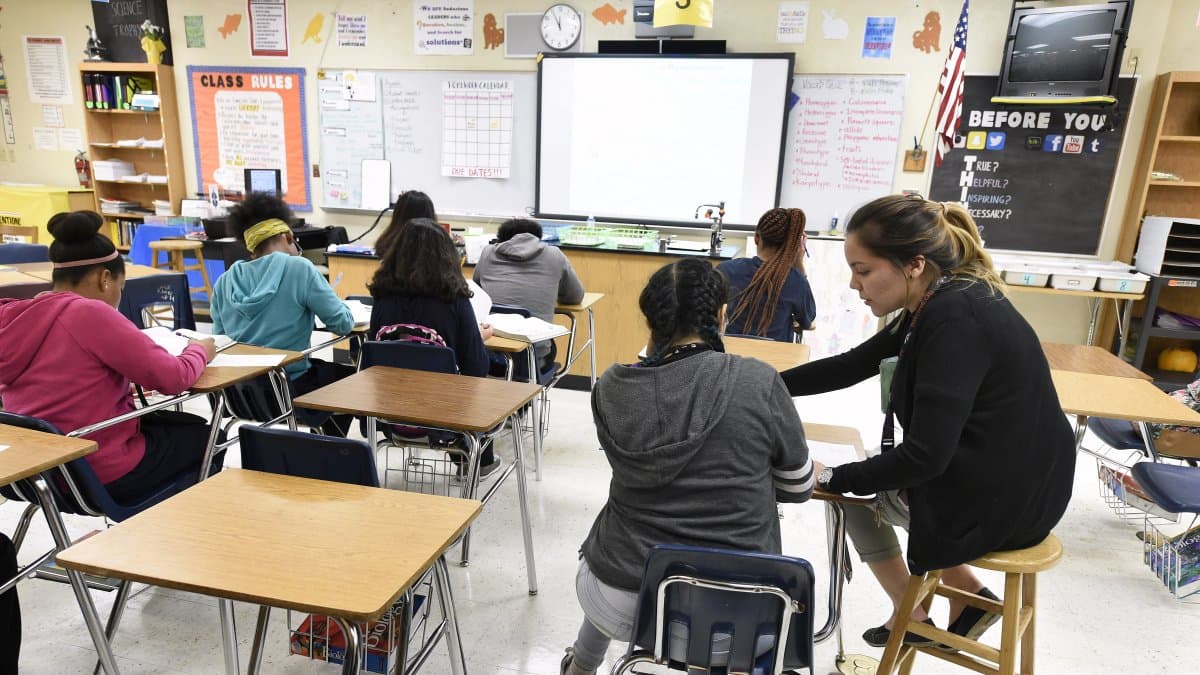
Currently enrolled students exempt from the ban
Undocumented students already enrolled at the affected public universities will be able to continue their studies and complete their degrees. The restriction also does not apply to Florida's private universities.
The move further advances Florida's policy shift toward access to higher education for immigrants without legal status.
According to data cited by EFE, approximately 60,065 undocumented students are currently enrolled in higher education in Florida, while roughly 8,000 young people without legal status graduate each year from the state's high schools.
Florida thus joins states such as Alabama, Georgia and South Carolina, which maintain various types of restrictions on undocumented students' access to certain public institutions of higher education.
Just The News
New Jersey sued over tuition rate for ‘illegal aliens’ at public colleges
Chris Wade | The Center Square contributor | Just The News
DeSantis backs the measure
In remarks reported in July by The Tampa Bay Times, DeSantis stated that if a student is in the country illegally, that spot should be made available to "a Florida resident."
🛠 Do you think there is an error in this article?
Recommendations





LATEST