Bernardo de Gálvez: Hispanic hero back to the forefront of history on America's 250th anniversary
Born in Málaga, Spain, in 1746, Bernardo de Gálvez was appointed governor of Louisiana in 1776. From the moment he arrived in New Orleans, he worked tirelessly to support the American insurgents against Great Britain, sending weapons, ammunition, medicine and supplies up the Mississippi River.
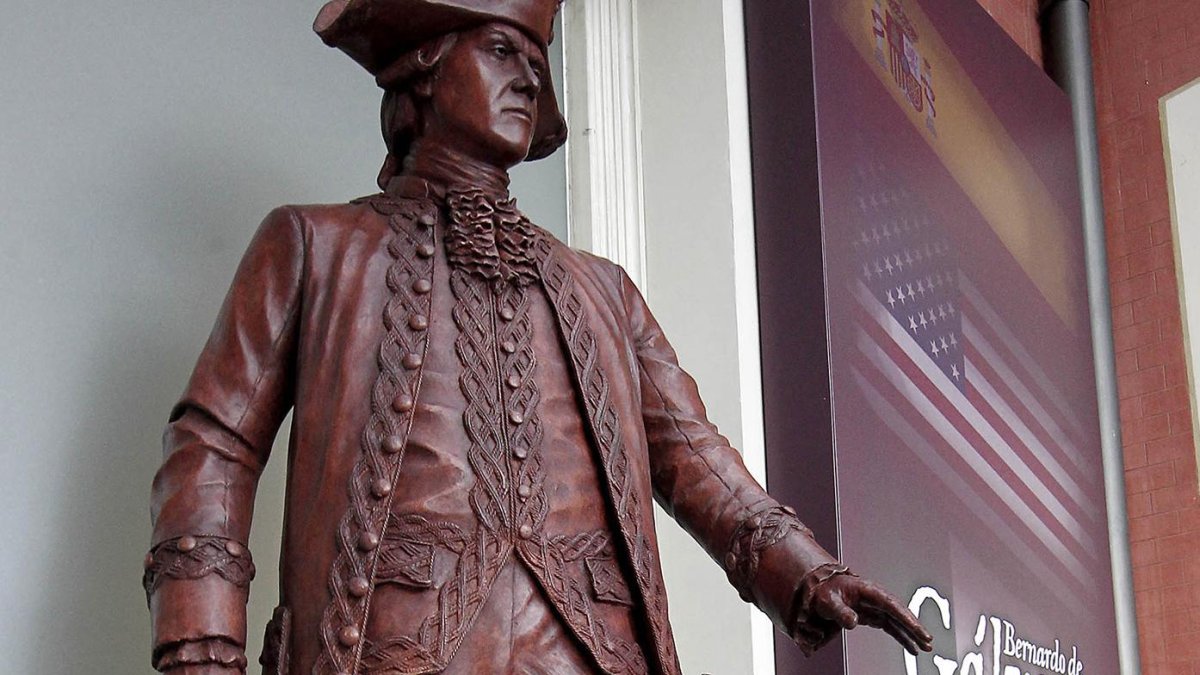
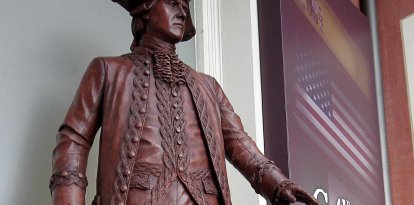
Image of Bernardo de Gálvez

As the country commemorates the 250th anniversary of its independence, a Hispanic figure once again takes center stage in historical memory: Bernardo de Gálvez. The United States Postal Service announced that the Spanish military officer and governor will be featured in the series of commemorative stamps dedicated to this anniversary, an honor that joins other tributes he has received in recent decades.
Born in Málaga, Spain, in 1746, Bernardo de Gálvez was appointed governor of Louisiana in 1776. According to the Royal Academy of History, from the moment he arrived in New Orleans, he engaged in intense activity to support the American insurgents against Great Britain, sending weapons, ammunition, medicine and supplies via the Mississippi River. The institution notes that this early cooperation helped the independence armies in decisive campaigns and made de Gálvez one of the most effective allies of the American cause.
His role went far beyond logistical support. After Spain officially entered the war against Great Britain in 1779, de Gálvez led a series of military campaigns that shifted the balance of power in the Gulf of Mexico.
The victories that changed the war
Under his command, Spanish troops captured Baton Rouge, Mobile, and finally Pensacola, considered the main British base in West Florida. The capture of Pensacola in 1781 eliminated the British presence in the region and helped weaken London’s military capacity in the North American theater, according to the Royal Academy of History.
The institution also highlights the material aid channeled from Louisiana to the American rebels, including gunpowder, rifles, blankets, medicine and financial resources that made it possible to sustain the colonists’ military effort.
From the Capitol to commemorative stamps
Recognition of his legacy has grown over the years. In 2014, Congress granted him honorary citizenship, a distinction reserved for a select group of historical figures. His portrait hangs in the Capitol, and recently, the Navy announced that one of its future frigates will be named the USS Gálvez.
The inclusion of his image on the 250th-anniversary stamps represents yet another institutional recognition of a figure who is increasingly present in American historical memory.
De Gálvez’s Return to New Orleans
The tributes have also extended to New Orleans, a city closely linked to his legacy. In March 2026, statue of de Gálvez returned to Canal Street after being removed for several years due to urban development projects. The monument had been a gift from Spain to the city in 1976, coinciding with the bicentennial of U.S. independence.
The statue’s return was celebrated by organizations and citizens who advocated for the need to preserve the memory of one of the most significant figures in the shared history of both countries.
A chance to celebrate Hispanic heritage
In the eyes of The Hispanic Council, Bernardo de Gálvez’s life and career exemplify the deep historical relationship between Spain and the United States. The organization believes that the 250th anniversary of independence represents an opportunity to highlight the role played by Spain and numerous Hispanics in the formation of the American nation.
The Hispanic presence in the U.S.
On the eve of this historic commemoration, the figure of Bernardo de Gálvez thus emerges as one of the most visible symbols of the Hispanic legacy in the United States. Two and a half centuries after the birth of the American nation, the name of this military officer from Málaga once again takes its rightful place in a history shared on both sides of the Atlantic.
LATEST