Florida will give parents control over the use of artificial intelligence in public classrooms
The state Department of Education is proposing new regulations that would require school districts to disclose which AI tools are used in the classroom and allow families to decide whether or not their children participate in their use.
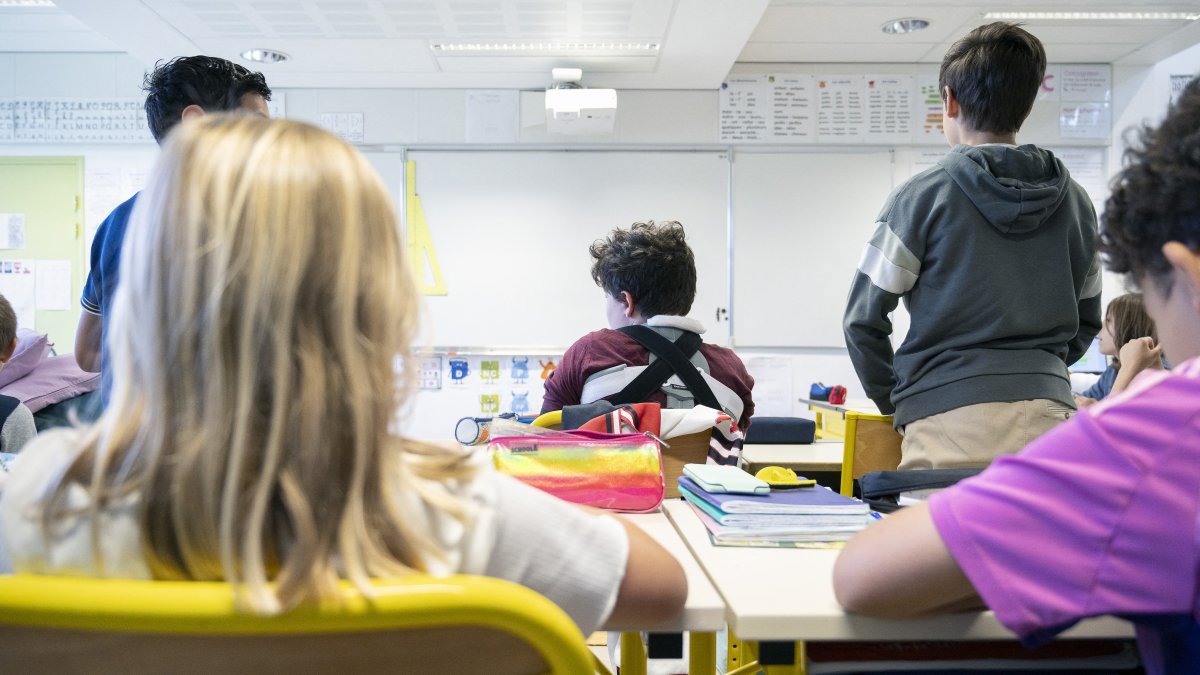
Children at a school (File photo)

The Department of Education of Florida is considering a new regulation that would give parents greater control over the use of artificial intelligence (AI) tools in public school classrooms. The proposal would allow families to authorize or refuse their children's use of these platforms for educational purposes and establishes a series of transparency and data protection requirements for school districts.
According to The Center Square, the draft regulation is part of an update to the state's internet safety policy and sets minimum standards that schools must meet if they incorporate AI tools into the teaching process.
Parents will be able to decide whether their children use AI
If approved, the regulation will require school districts to notify parents in advance when an artificial intelligence tool is to be used in the classroom.
The information must include:
- The application or platform to be used.
- The courses and subjects in which it will be available.
- How students will interact with the tool.
- Whether the student will use the technology directly or if it will be used solely by the teacher.
Based on this information, parents will be able to decide whether or not to authorize their children's use of the tool. If they decline, the school must offer an educational alternative that does not use artificial intelligence.
In addition, families will have the option to set limits on the amount of time their children can use these tools, even if they have given their consent for their use.

Society
Pitbull teams up with AI to teach civic education with Digital Founding Fathers
Diane Hernández
Design limits and student protection
The proposal also introduces restrictions on the type of artificial intelligence that may be used in schools.
Among other measures, educational tools may not simulate friendships or peer relationships with students, be designed to create emotional bonds with students, or be configured to meet the social or emotional needs of minors.
Furthermore, the text stipulates that AI may not replace "teachers' professional judgment" or undermine "the fundamental right of parents to direct the upbringing and education of their children," as reported by The Center Square.
Prohibition on psychological profiling and data exploitation
The draft also includes provisions aimed at protecting students' privacy.
Schools will be prohibited from using tools that:
- Track behavior without the student's or their family's knowledge.
- Create psychological profiles or social assessments of students.
- Sell, monetize, or commercially exploit the collected data.
- Use student information to train artificial intelligence models.
In addition, school districts must maintain a record of all student interactions with these tools, which parents may access upon request.

Politics
'They put children at great risk': Florida sued OpenIA for allegedly hiding ChatGPT risks
Joaquín Núñez
State oversight and timeline
Furthermore, they must periodically report to the Department of Education on which platforms they use, how frequently they are used, how much time students spend interacting with them, and in which grades and subjects they are used.
The Florida Department of Education plans to discuss the proposal at a meeting scheduled for August 5. Until that date, members of the public may submit comments through the agency's official website.
If the regulation receives final approval, school districts must adapt their policies and implement the new requirements by January 2027.
The initiative is part of the growing debate over the role of artificial intelligence in education and the balance between technological innovation, teacher oversight, and parents' right to participate in decisions regarding their children's education, according to information published by The Center Square.
LATEST