From snow in the middle of July to sweltering heat: North America experiences an extreme temperature swing
While a winter storm is forcing authorities to issue snow and ice alerts in Alaska, large areas of the western and southern parts of the country continue to experience dangerously high temperatures. The contrast reflects one of the most striking weather weeks of the northern summer.
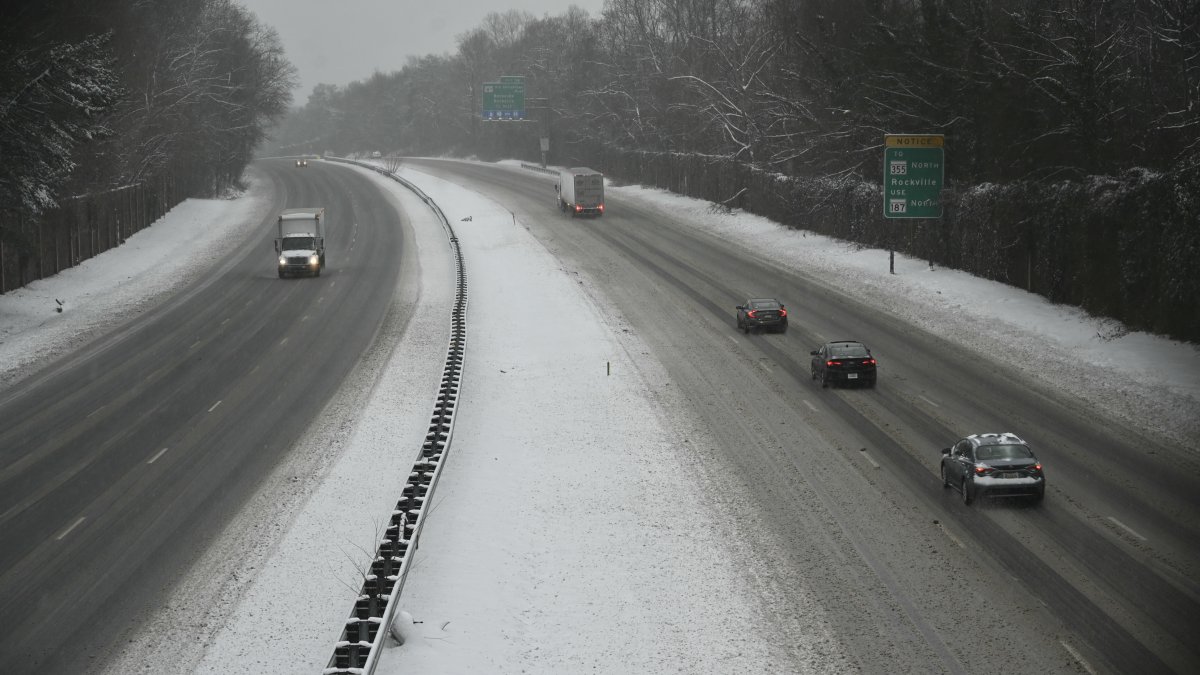
The NWS forecasts snow in the middle of summer

North America is currently experiencing a weather scenario marked by stark contrasts. At one end of the continent, weather authorities have issued warnings for snow, ice, and wind chill temperatures near 12 °F (-11°C) in the middle of July. At the other end, millions of people continue to face a persistent heat wave with temperatures well above 100°F (38°C) and threatening to break new records.
Although both phenomena result from different atmospheric dynamics, their simultaneous occurrence this week has highlighted the enormous meteorological variability that North America can experience during the summer.

Winter in the middle of summer in Alaska
The most unusual phenomenon is occurring in northern Alaska, where the National Weather Service (NWS) issued a Winter Weather Advisory for sections of the Dalton Highway, particularly at the Atigun Pass in the Brooks Range.
According to the advisory, between 2 to 6 inches (5-15cm) of snow, ice buildup, strong wind gusts, and wind chill temperatures near 12 °F (-11°C) are expected, conditions that are highly unusual even for late July.
Authorities warned that the main risk is not only the snow but also overnight refreezing, which can create black ice patches that are virtually invisible to drivers and make driving on this highway—one of the most isolated in the country—extremely dangerous.
While summer snowfall is not entirely unheard of in the mountainous regions of Alaska's far north, meteorologists note that the combination of snow, ice, strong winds, and such low temperatures in the middle of summer is striking.
Hundreds of kilometers away, the heat shows no sign of letting up
While the northern part of the continent faces near-winter conditions, much of the west and south continues to experience severe heat wave.
Forecasts indicate that states such as California, Arizona, Nevada, Utah, and parts of the northwestern interior will continue to see temperatures above 100°F, with some valleys where temperatures could again approach 110 °F over the next few days.
Meteorologists attribute this episode to a persistent high-pressure system—known as a heat dome—which promotes extremely hot air and limits cloud formation, further increasing the risk of wildfires and heat-related health issues.
In California, the National Weather Service has issued excessive heat advisories for numerous locations, while recommending that people limit outdoor activities during the middle of the day and take extra precautions with the elderly, children, and workers exposed to the sun.

A continent divided by extremes
This pattern is due to a pronounced wobble in the jet stream, which allows very cold air to descend over the northernmost part of the continent while maintaining a powerful warm ridge over much of the western United States.
According to forecasts, extreme conditions will persist over the next few days: snow in Alaska will tend to decrease once the frontal system passes, while the heat wave will continue to spread across parts of the West and the interior of the United States before gradually easing.
LATEST