More than 2,000 flights canceled, roads shut down and thousands of Americans without power: What you need to know about the storm hitting the Midwest
With accumulations of up to two feet of snow and blizzard conditions, the winter system has paralyzed Michigan and Wisconsin. As thousands remain without power, the National Weather Service warns the cold front is now moving into the Mid-Atlantic with potential for tornadoes and hail.
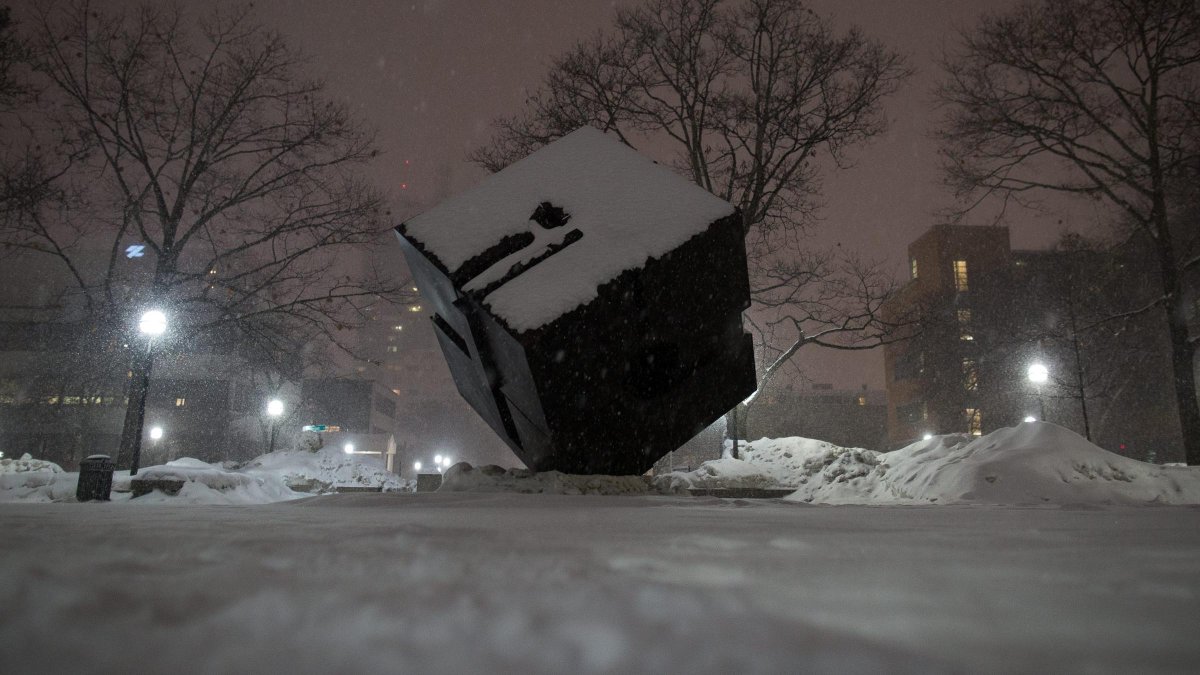
Nevada in Michigan (file)

The Midwest faces blizzard conditions, heavy snow, frost and powerful winds Monday as the powerful winter storm that already caused flight suspensions, road closures and power outages over the weekend persists.
From northeastern Wisconsin to northern Michigan, the storm has left heavy snowfall with accumulations of up to two feet. "Additional heavy snowfall of 12 to locally 20 inches can be expected in upper Michigan today as the center of the cyclone passes just to the southeast," warned the National Weather Service, anticipating that it expects Monday to be a calmer day than Sunday.
"Very strong and gusty north to northwesterly winds wrapping around the cyclone will likely prolong the blizzard conditions in these area through today before the cyclone center moves into Canada by tonight," it added. The snow will taper off "slow to diminish Monday night across the upper Great Lakes region, as showers and thunderstorms change over to a period of snow across the lower Great Lakes."
In Michigan, Governor Gretchen Whitmer activated the State Emergency Operations Center (SEOC), to monitor and report on the storm live. The SEOC warned of freezing rain and snow-covered roads. "Please stay home," it asked. "If you must travel, carry winter emergency supplies, warm clothing, water, needed medications, and a charged cell phone with a charger," it also recommended.
In Minnesota the Department of Transportation issued a no-travel advisory in several parts of the state. In Maryland, the state government also recommended avoiding travel, warning of a "significant risk for widespread, severe storms producing damaging winds, hail, and a heightened tornado threat." Nearly all of Wisconsin was seen covered in blizzard warnings, with record daily snowfalls in Wausau (23.4 inches) and Green Bay (17.1 inches).
Massive power outages and thousands of flights affected
Michigan was the state hardest hit by the outages, with more than 116,500 customers without power Monday morning. It was followed by Ohio with 57,258, according to PowerOutage.us. The full list of states with the most outages earlier this week is:
- Michigan: 116,515
- Ohio: 57,258
- Texas: 41.399
- Missississippi: 39,467
- Alabama: 33.545
- Tennessee: 31,046
- Kentucky: 28.408
- Pennsylvania: 26,363
The specialty site FlightAware recorded more than 2,000 flight cancellations nationwide, a figure driven by the storm. Detroit International Airport had the most cancellations and delays Monday morning, followed by Logan International Airport.
Airlines including Delta, Sun Country, American Airlines and United Airlines have issued fare waivers for affected flights.

The storm's advance toward the East Coast
As the cyclone moves eastward from the Great Lakes region, the system is beginning to push a powerful cold front across the eastern part of the country, which will expand the storm's impact beyond the Midwest. Forecasters warn that the combination of warm, moist air ahead of the front and strong atmospheric dynamics associated with the system could trigger severe storms along the East Coast during Monday afternoon and evening.
The most unstable conditions are expected inland over the Mid-Atlantic, where daytime heating could favor the development of storms with damaging winds, hail and possible tornadoes. The Storm Prediction Center placed several areas in the region under a moderate risk of severe weather, a category that usually anticipates significant episodes of thunderstorms.
Meanwhile, the advancing front will also bring a sharp change in temperatures behind the system. An arctic air mass will move rapidly southward, putting an end to the recent period of mild weather over large parts of the country. By Tuesday morning, subfreezing temperatures are forecast to reach even parts of the Gulf Coast and Florida Panhandle.
In mountainous areas of the east, especially the central Appalachians, rain associated with the system could turn to snow as the cold air takes hold. Meteorologists warn that some areas of West Virginia could see accumulations in excess of 15 centimeters, prolonging the cyclone's wintry effects even as the center of the system moves away into Canada.
LATEST