







ANALYSIS
From the kitchen to the American dream: 'Tamale Act' opens doors to entrepreneurs in Colorado
The bill is being promoted by state representatives Ryan Gonzalez and Monica Duran, who argue that the measure aims to support small entrepreneurs and recognize the cultural value of home cooking in communities such as the Hispanic community.
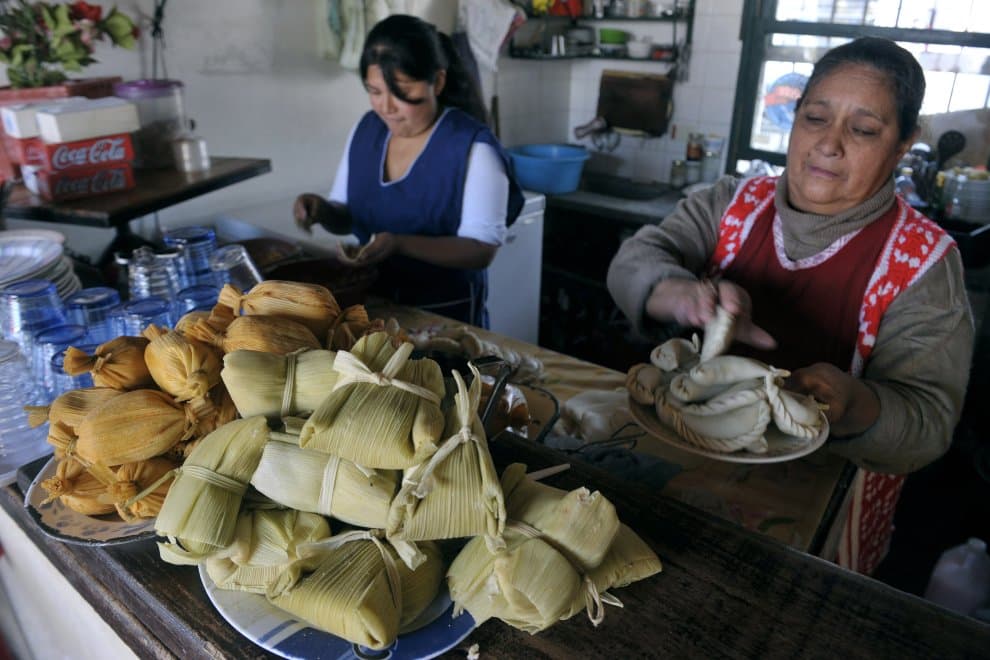
Hispanic vendors in front of their product: tamales (File).

From tamales to tortas to burritos: what for years has been a tradition in many communities could become a legal economic opportunity for thousands of families in Colorado.
State lawmakers recently moved forward with HB26-1033, popularly known as the "Tamale Act," an initiative that seeks to expand opportunities for home cooks to sell food prepared in their own kitchens. The proposal has just cleared the Agriculture, Water and Natural Resources Committee of the state House of Representatives and will now head to the Appropriations Committee.
The bill is being pushed by state Representatives Ryan Gonzalez and Monica Duran, who argue that the measure is intended to support small entrepreneurs and recognize the cultural value of home cooking in society, including the Hispanic community.
From home cooking to entrepreneurship
The initiative would expand the scope of the law known as the Colorado Cottage Foods Act, which since 2012 has allowed certain home-prepared foods, such as bread, jam and spices, to be sold directly to consumers. However, until now, regulations prohibited selling foods that require refrigeration or contain meat.
Changes introduced by the bill
Among the changes introduced by the bill:
Allowing the sale of homemade foods that require refrigeration or contain meat.Require producers to complete a food safety and food handling course.Eliminate the current limit of $10,000 in yearly income for such home-based businesses.
According to state officials, the measure seeks to balance food safety with creating economic opportunities for small entrepreneurs.
A nod to Latino culinary tradition
For many of its boosters, the law also has a strong cultural component. Rep. Duran recently recalled that her own grandmother, an immigrant and farmworker, ended up making a living cooking for other workers when she could no longer continue in the fields.
"She served tamales, burritos, beans, and rice with pride and resilience. She was an entrepreneur before anyone ever called it that," the legislator explained in defending the initiative.
The promoters of the proposal argue that legalizing these sales recognizes a reality that has existed for decades in neighborhoods and communities: family kitchens as a seedbed for small businesses.
A first step toward larger businesses
Supporters of the project argue that many food businesses start precisely that way: in a home kitchen.
Gov. Jared Polis noted that the legislation seeks to remove unnecessary barriers for home cooks and allow some of them to eventually turn their culinary talents into food trucks, restaurants or small local businesses.
From tamales to tortas — home kitchens should be business opportunities. We’re taking action so home cooks across Colorado can turn their talents into income and share the foods we all love. The Tamale Act expands the list of homemade foods that can be legally sold, opening doors… pic.twitter.com/TEnYHakbwi
"Some of our favorite restaurants started right in a home kitchen," the governor said to endorse the initiative.
Food safety debate
However, the proposal has also generated debate. Some critics have expressed concerns about the risks of foodborne illness when it comes to dishes that contain meat or require refrigeration.
To address those concerns, the bill includes food safety training requirements and allows health authorities to investigate and punish possible violations if complaints or public health concerns arise.
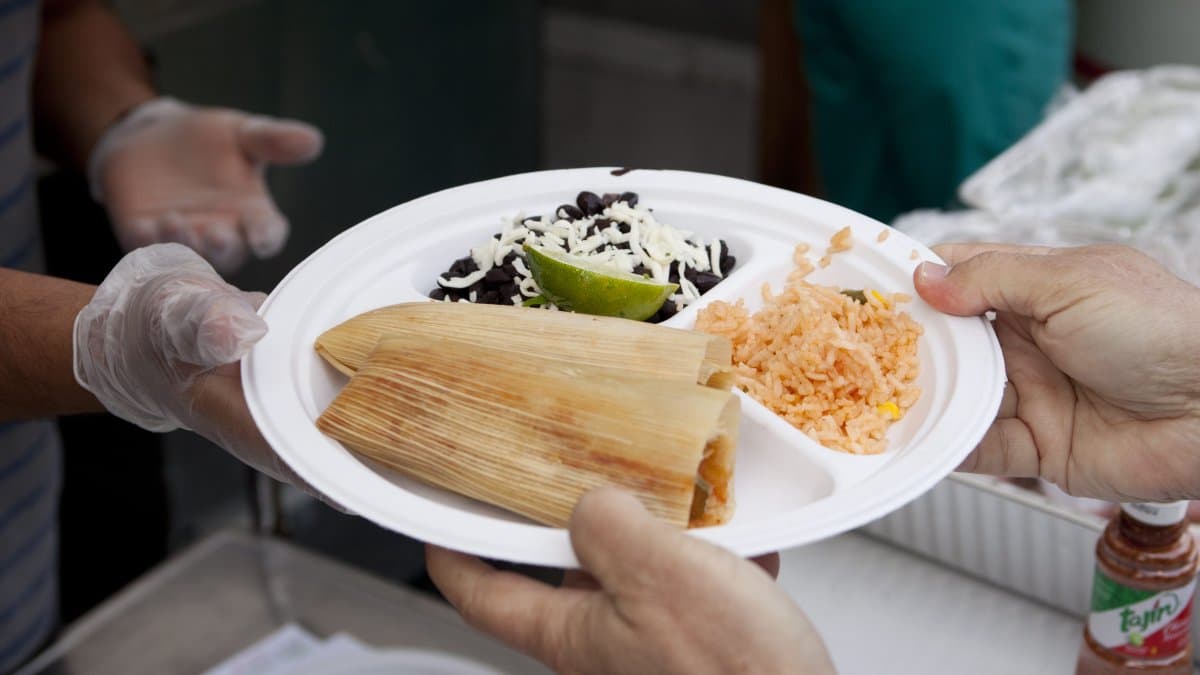
File image of a tamale sale.MLIVE.COM /Landov /Cordon Press.
In essence, the so-called "Tamale Act" seeks to turn a deeply rooted tradition, cooking for the community, into a legal avenue for entrepreneurship. And in a state with a growing Latino population, many see the measure as not just economic reform, but recognition of the recipes, stories and dreams born in home kitchens.
🛠 Do you think there is an error in this article?
Recommendations







LATEST