Winter storm: Flight cancellations and power outages multiply across the country
According to flight tracking data and weather authorities, the storm has caused more than 16,000 flight cancellations in, to and from U.S. airports over the weekend, adding to tens of thousands of additional delays and cancellations across the national air network.
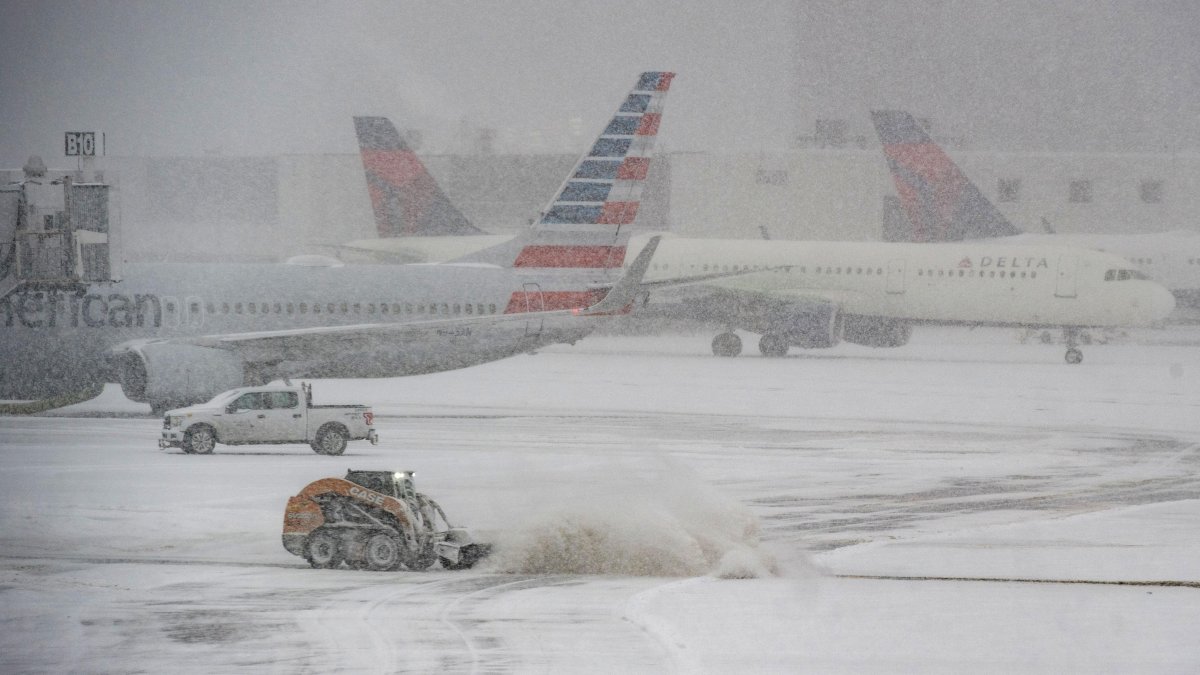
The snowstorm has led to canceled flights at the airport in Boston.

A powerful winter storm, dubbed Winter Storm Fern, continues to batter much of the United States, generating massive air travel disruptions, large-scale power outages and hazardous weather conditions that could persist for several days.
According to flight tracking data and weather authorities, the storm has caused more than 16,000 flight cancellations in, to and from U.S. airports over the weekend, adding to tens of thousands of additional delays and cancellations in the domestic air network.
FlightAware, a real-time flight tracker, reported that Sunday alone saw more than 11,600 cancellations, with particularly heavy impacts on major hubs such as Boston Logan, Dallas-Fort Worth and JFK in New York.
The storm has forced multiple airlines, including American, Delta, United, Southwest and JetBlue, to adjust schedules, reduce operations and implement flexible changes for affected passengers.
Delays were counted at 5,967 on Sunday alone. Snow, freezing rain, mixed precipitation, turbulence and ice are expected and will continue to generate aviation impacts and delays through Monday morning, the National Weather Service (NWS) stated.
Flight cancellations and delays today
In addition, 3,847 canceled flights were accounted for, directly affecting U.S. air traffic, according to real-time industry tracking data, all this in the early hours of Monday morning.
Weather impact and official warnings
The NWS has issued warnings for heavy snow, freezing rain and extremely cold temperature conditions across a wide swath from the Ohio Valley to the northeastern part of the country. Snow accumulations that could exceed 15-18 inches are expected in parts of New England and "potentially catastrophic" icy conditions in regions of the mid-Atlantic and the Mississippi and Ohio Valleys.
Officials also warned of a risk of severe thunderstorms along the central Gulf Coast, fueled by the interaction of warm, moist air with cold storm masses, which could further exacerbate power outages and damage.
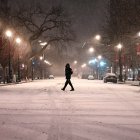
Power outages and infrastructure disturbances
State authorities have declared emergencies in several territories, and the Department of Energy has authorized the use of additional generation and auxiliary systems to relieve pressure on the power grid and speed repairs.
Human consequences: At least 10 deaths associated with the winter storm
In addition to logistical disruptions, the storm has had direct public safety consequences. International media reported multiple deaths attributed to the extreme cold, including people found outdoors in urban areas, and dangerous conditions on roads and in public spaces.
New York Mayor Zohran Mamdani reported that five people were found dead on the street over the weekend amid freezing temperatures. While he would not confirm that the deaths were directly related to the weather, he told reporters that "there is no starker reminder of the danger of extreme cold."
In Texas, authorities confirmed three deaths, including a 16-year-old girl who died in a sledding accident. In Louisiana, two people died from hypothermia, according to the state health department.
The low temperatures, with wind chill reaching as much as 70 degrees Fahrenheit below average in some places, have forced school closures, a shift to remote classes and the suspension of sporting events and community activities.
LATEST