Concerns about the rise in the number of children living with at least one parent addicted to drugs or alcohol
Children in these circumstances face an increased risk of developing mental health problems, such as anxiety or depression, as well as academic difficulties, abuse, neglect and poverty.


In the United States, a public health problem of alarming proportions affects millions of children: the impact of growing up in a home where at least one parent struggles with a substance use disorder (SUD). According to a recent study published in JAMA Pediatrics, approximately 18.9 million children in the country, or one in four, live with a parent or caregiver who meets the Diagnostic and Statistical Manual of Mental Disorders (DSM-5) criteria for a SUD.
The new study used data from the 2023 National Survey on Drug Use and Health.
This figure represents a significant increase from the previous year, when about 7 million cases were found.

Scale of the problem
The study, led by Texas State University, the University of Michigan and Wayne State University, reveals that alcohol use disorder is the most prevalent, affecting 12.8 million children, followed by cannabis use disorder (5 million) and prescription opioid use disorder (more than 1 million).
More than 7.6 million of these children live with a parent with a moderate or severe SUD, increasing associated risks, such as exposure to unstable environments, mental health problems and increased likelihood of interaction with the legal or child welfare systems.
Impact on children
Growing up in a home with a parent with SUD has profound consequences on child development. Children in these circumstances face an increased risk of developing mental health problems, such as anxiety or depression, as well as academic difficulties, abuse, neglect and poverty. In addition, economic instability, derived from the prioritization of substance use over basic needs such as housing or food, affects the living conditions of these minors.
A 2024 study published in JAMA also points out that certain neuroanatomical features, such as a thinner prefrontal cortex in children, may predispose them to early substance use, suggesting a complex interaction between genetic, biological and environmental factors.
Approximately 35.3% of the children studied began using substances such as alcohol, tobacco, or cannabis before the age of 15, indicating a vulnerability that may perpetuate the intergenerational addiction cycle.
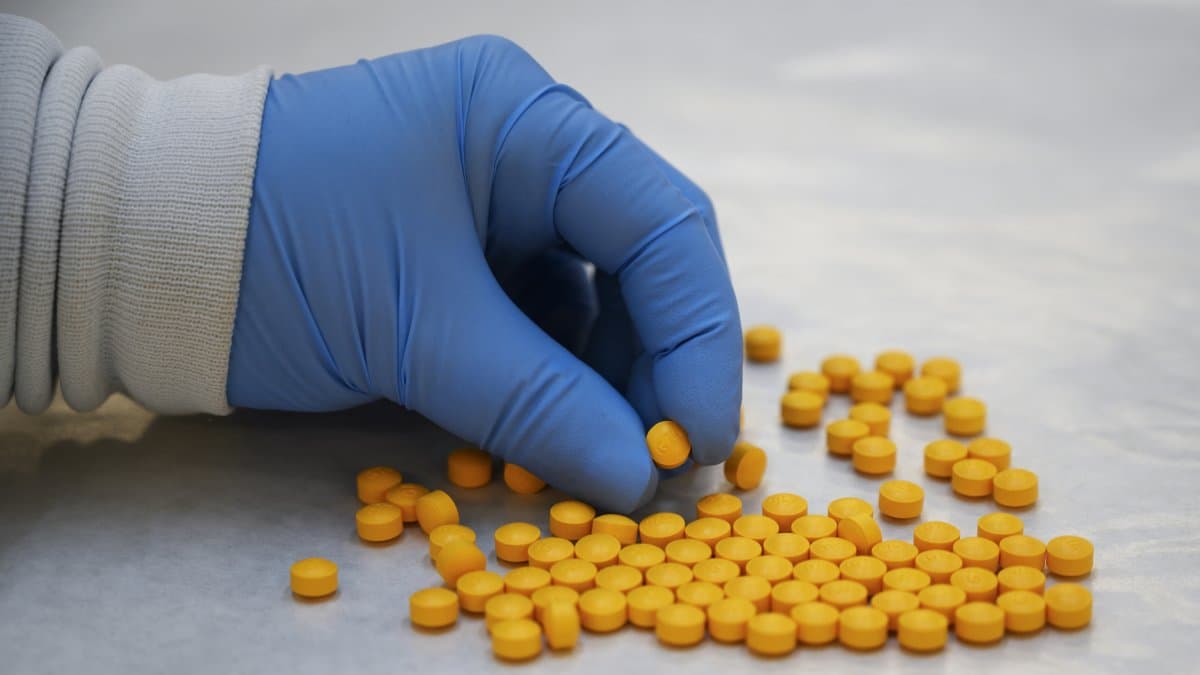
DEA warns of proliferation of 'drug cocktails' that include fentanyl
However, from the DEA, as from the rest of the agencies, they are aware that there is still a long way to go to end what they call a "pandemic."
"This year's report indicates progress in the fight against fentanyl and also outlines the growing challenges we face with the changing landscape of the synthetic drug crisis," said Robert Murphy, acting administrator of the DEA. "The adulteration of fentanyl with highly potent and dangerous chemicals reminds us that this fight is far from over."
Overdoses and parental loss
The overdose crisis in the United States adds another layer of tragedy. Between 2011 and 2021, more than 321,000 children lost a parent to overdose, with a significant increase in deaths related to fentanyl, a synthetic opioid that accounts for one-third of these fatalities, notes a JAMA study.
The highest number of deaths was among white parents, but children of American Indian or Alaska Native parents experienced the highest loss rates, according to the study. On the other hand, children of young African American parents, aged 18 to 25 years, experienced the greatest increase in the rate of loss each year.
Responses and solutions
Experts agree that comprehensive care must address not only the individual with SUD, but also his or her family. Resources such as Alcoholics Anonymous, Narcotics Anonymous and the National Institute on Drug Abuse (NIDA) offer support, while school and community programs seek to prevent substance use among adolescents.
🛠 Do you think there is an error in this article?
Recommendations







LATEST