






The Muslim Brotherhood in the US: A ticking time bomb in the heart of the West
Accusations of infiltration, shady financing and ties to terrorism paint a frightening picture.
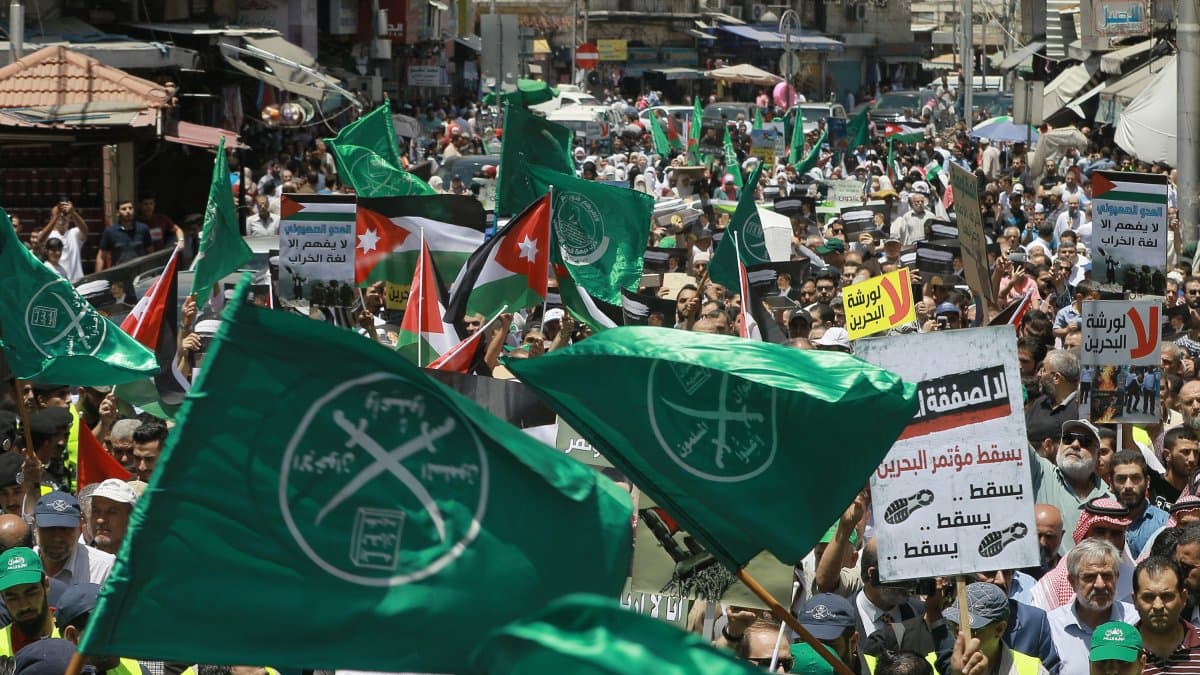

The Muslim Brotherhood, an Islamist movement born in Egypt in 1928, lurks in the shadows of the United States. Founded by Hassan al-Banna with a mission to impose Shariah law and challenge the West, this global network, operating in more than 80 countries, could be undermining American security, politics and culture.
Accusations of infiltration, shady funding and ties to terrorism paint a frightening picture. These are the stealth tactics and catastrophic risks the Muslim Brotherhood could pose to the nation.
Quiet invasion: The arrival on U.S. soil
The Muslim Brotherhood, which emerged in Egypt to fight colonialism and secularization and was persecuted by the regime of President Gamal Abdul Nasser in the 1950s and 1960s, landed in the U.S. as a hidden force. In 2008, the Hudson Institute noted in a comprehensive report that students linked to the group flooded universities such as Illinois and Michigan, founding the Muslim Students Association (MSA) in 1963.
This marked the beginning of a sinister network. In 1973, the North American Islamic Trust (NAIT) emerged, controlling mosques, educational centers and properties valued at hundreds of millions of dollars, according to the Hudson Institute.
Everything seems to indicate that this was a plan to dig in its roots and expand its influence.
Opinion
Greta heads to Gaza: another circus act in the modern progressive stereotype
Leandro Fleischer
Infiltration in the shadows of the U.S.
Critics warn that the Muslim Brotherhood has spun a web to penetrate key institutions.
The Council on American-Islamic Relations (CAIR) and the Islamic Society of North America (ISNA) are two major Muslim organizations in the United States. ISNA was founded to promote Islam and serve Muslims in North America, and the Anti-Defamation League (ADL) considers CAIR to be the leading Muslim civil rights organization in the U.S.
Both organizations have roots in the Muslim Brotherhood movement, as the founders and many members of them were influenced by this radical Islamist movement, as the Hudson Institute report noted.
Although both ISNA and CAIR claim to have harmless goals such as promoting Islam or defending the civil rights of Muslims, some have expressed concerns about their relationship with the Muslim Brotherhood and their possible broader goals.
A 1991 Muslim Brotherhood memo uncovered by the FBI in the Holy Land Foundation case, an organization that presents itself as an Islamic charity but is considered a terrorist organization by the U.S. and has been accused of funding Hamas, exposed, according to some organizations such as the U.S. research group The Investigative Project on Terrorism, a plan to carry out a "civilizational jihad" and destroy the West from within.
Abdul Rahman Alamoudi, a leading Islamic figure in the U.S. who was linked to the group, manipulated the selection of imams in prisons and the Army in the 1990s, the Justice Department said in 2004, sowing seeds of radical influence.
In September 2003, British customs officials arrested Alamoudi at Heathrow Airport as he was returning from Libya with $340,000 in cash, whcih he had been given by then-Libyan President Muammar Gaddafi to finance a plot involving two operatives of Al Qaeda based in the United Kingdom, whose aim was to assassinate Saudi crown prince (and later king) Abdullah.
Opinion
The Islamo-left alliance in academia and the press, hunting Jews... and the West
Leandro Fleischer
Alamoudi was then extradited to the United States. In October 2003, he was arrested at Washington Dulles Airport on charges of illegally accepting $10,700 from the Libyan mission to the United Nations.
With Alamoudi in custody, federal authorities released a transcript of a telephone conversation in which he lamented that no Americans had died during the 1998 Al Qaeda bombing of the U.S. embassy in Kenya; recommended more operations like the 1994 Hezbollah bombing of a Jewish cultural center in Buenos Aires, in which 85 people were killed; and clearly expressed his goal of turning the United States into a Muslim nation.
Hamas ties set off sirens. Senator Ted Cruz launched the Muslim Brotherhood Terrorist Designation Act in 2015. However, his initiative and his insistence that this radical movement be part of the list of terrorist organizations have not yet prospered due to the large number of detractors who believe that it would make the United States less safe and fuel "Islamophobia."
Dirty money: The financial power that lurks
In 2021, Research & Advisory uncovered a global financial network of the Muslim Brotherhood, moving $2 billion through charities, businesses and foundations. In the U.S., NAIT dominates mosques and religious centers, while suspicious donations raise fears of buying academic influence.
In July 2019, at the Department of Justice (DOJ) in Washington, D.C., Dr. Charles Asher Small, director of the Institute for the Study of Global Antisemitism and Policy (ISGAP), presented the findings of a research project his organization initiated in 2012 entitled "Follow the Money."
This ongoing project examines the illicit funding of American universities by foreign governments, foundations and corporations that espouse and promote anti-democratic and antisemitic ideologies linked to terrorism and its financing, ISGAP notes on its website.
The project revealed, for the first time, the existence of substantial Middle Eastern funding (primarily from Qatar, an ally of the Muslim Brotherhood) to U.S. universities that had not been reported to the Department of Education, as required by law. In fact, the ISGAP investigation uncovered billions of dollars in undeclared funds, which, in turn, led to the launch of a federal government investigation in 2019.
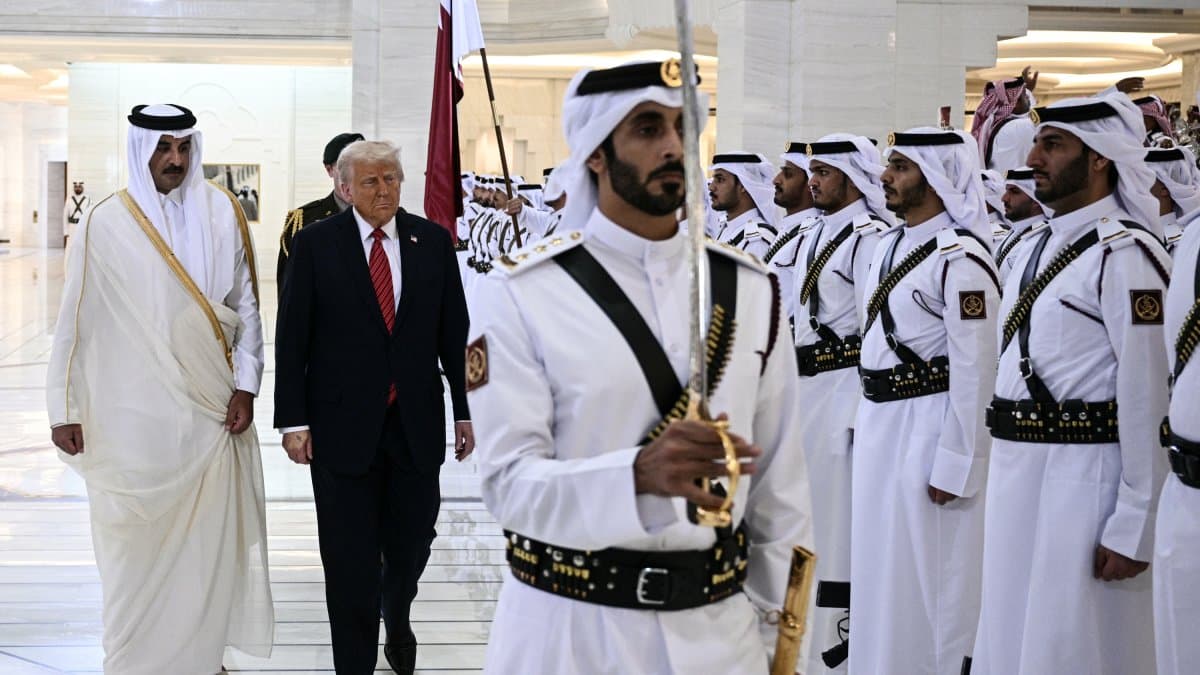
As part of its ongoing investigation, ISGAP has discovered and established that foreign donations, especially from Qatar, have had a substantial impact on fostering increasing levels of antisemitic speech at U.S. universities, as well as growing support for anti-democratic values within these institutions of higher education.
With the outbreak of antisemitism on American campuses, there are also security concerns with potential national and international implications.
What is at stake
The FBI and the Department of Homeland Security have been monitoring the Muslim Brotherhood since the 2000s, but the lack of direct terrorism charges in the U.S. hasn't turned off the sirens.
Organizations such as the Middle East Forum, the Washington Institute and the Council of Foreign Relations have warned for years that mosques and educational centers funded by the Muslim Brotherhood could radicalize young people; that the movement has radical factions that could inspire violence; and the covert influence could erode democracy, security and social cohesion in the U.S. and the West at large.
A ticking time bomb
The Muslim Brotherhood could be a time bomb in the U.S. Its network of organizations, shady money and historical ties to extremism set off alarm bells. Although evidence of direct attacks is scant, the risk of infiltration, radicalization and destabilization lurks. National security demands vigilance, investigation and, perhaps, drastic measures to protect the nation from this hidden threat.
Jordan bans the Muslim Brotherhood
"[They] are operating in the shadows and engage in activities that could undermine stability and security," Minister Mazen al-Faraya said of the transnational group.
He also assured that authorities had found "explosives and weapons transported between Jordanian cities and stored in residential areas," in addition to covert missile factories and "training and recruitment operations."
According to the AP, following the announcement, police surrounded the headquarters of the Islamic Action Front, a party linked to the Muslim Brotherhood, which was officially banned a decade ago. It is the largest opposition party.
🛠 Do you think there is an error in this article?
Recommendations

LATEST