Serious violent crime declines in the US during Trump's first year back in office
The Department of Justice (DOJ) reported the decline based on preliminary estimates from the National Crime Victimization Survey (NCVS), conducted by the Bureau of Justice Statistics (BJS).
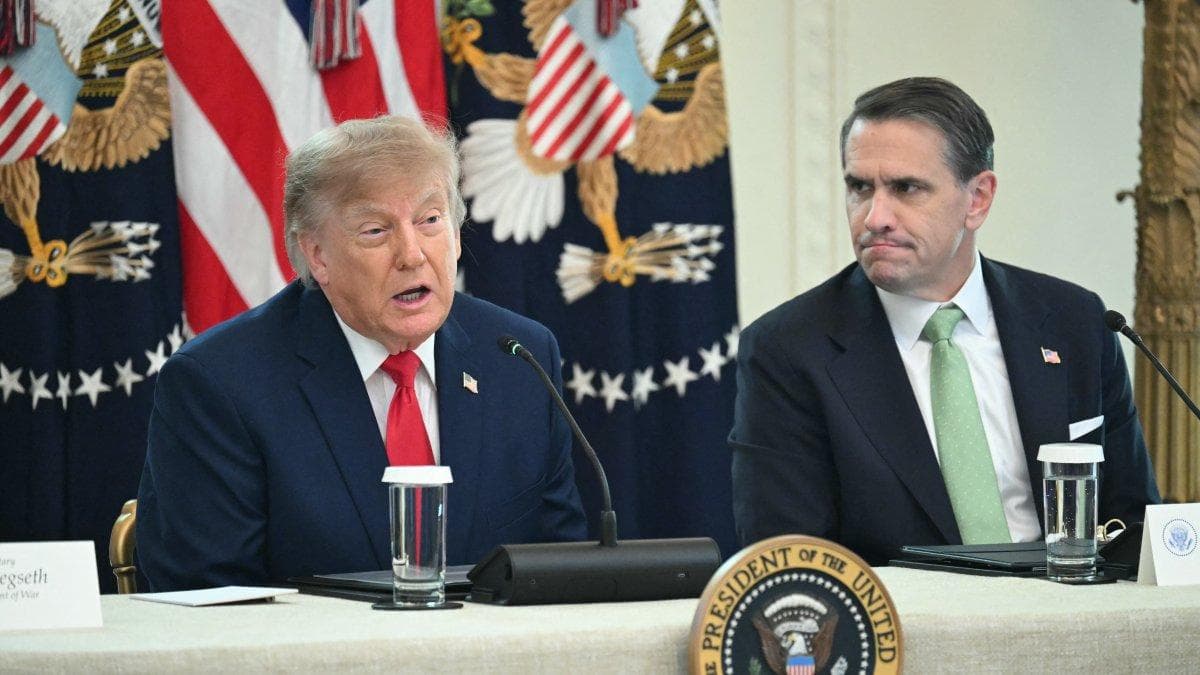

The Department of Justice (DOJ) reported that the rate of serious non-fatal violent crime, which includes rape or sexual assault, robbery and aggravated assault, fell by 25% in 2025, from 9.9 to 7.4 victims per 1,000 people aged 12 and older compared to 2024. These are preliminary estimates from the National Crime Victimization Survey (NCVS), compiled by the Bureau of Justice Statistics (BJS).
According to the report, during the first year of the second Trump administration, aggravated assault fell by 31% (from 4.5 to 3.1 per 1,000), representing about 390,000 fewer victims. In addition, property crimes fell by 19% (from 138.0 to 111.2 per 1,000 households); burglary by 25% (460,000 fewer); vehicle theft by 30% (349,000 fewer); and the "other thefts" category by 19%.
Politics
Midterms: Trump will offer $1 million for information on cases of election fraud
Alejandro Baños

Regarding the NCVS, it is the country's primary source of information on criminal victimization, including both crimes reported and unreported to the police. "Each year, BJS collects information from a nationally representative sample of about 240,000 persons, aged 12 or older, in about 150,000 U.S. households on the frequency, characteristics, and consequences of non-fatal criminal victimization in the United States," the DOJ noted.
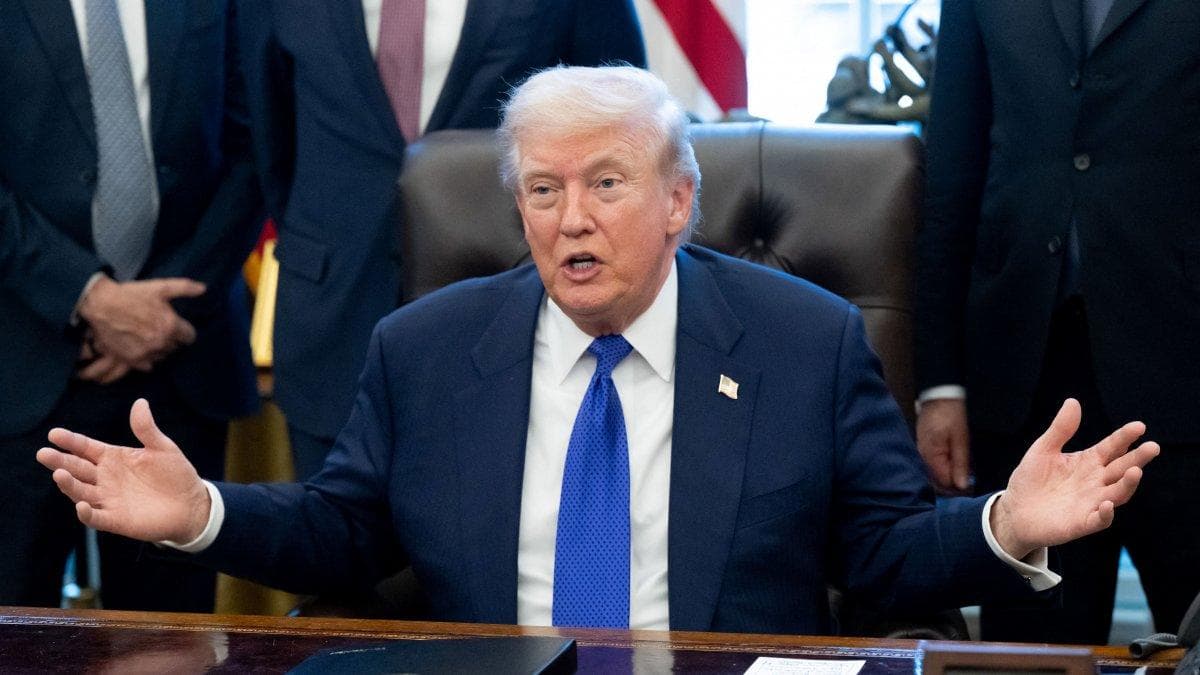
"This report is proof that President Trump’s agenda is working. Under President Trump and Attorney General Blanche, the safety of law-abiding Americans will always come first. This success reinforces our commitment to ensuring every American can live, work, and raise a family without fear," said Deputy Attorney General Stanley Woodward.
Since his return to the White House, President Trump has described his security agenda as "making America safe again." To that end, in April 2025, he signed an executive order to improve training and compensation for law enforcement officers, expand their legal protections and facilitate local authorities' access to federal resources, among other policies implemented.
🛠 Do you think there is an error in this article?
Recommendations



LATEST